
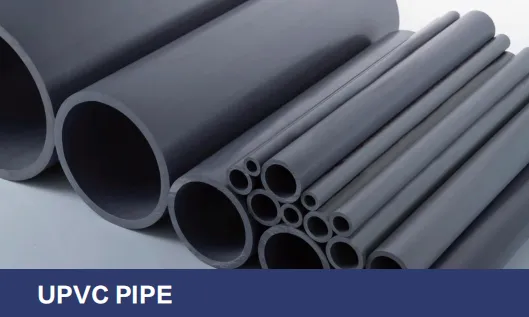
In an industry where deadlines are tight, budgets are stretched, and quality can't be compromised, prefabricated construction has emerged as a beacon of efficiency. By shifting much of the building process off-site—where components are crafted in controlled factories, then shipped to the project location for assembly—builders are redefining what's possible in terms of speed, consistency, and cost-effectiveness. But here's the thing: prefab's success hinges on the materials chosen to bring these off-site components to life. When it comes to critical systems like plumbing, the wrong material can turn a streamlined process into a logistical nightmare. That's where upvc pipe solutions come into play. Lightweight, durable, and designed for precision, UPVC (unplasticized polyvinyl chloride) pipes are quietly becoming the unsung heroes of prefabricated projects, offering a level of efficiency that traditional materials simply can't match.
Prefabricated construction—often called "prefab"—isn't just a trend; it's a fundamental shift in how we build. Imagine a world where instead of spending months on-site cutting, welding, and assembling every piece from scratch, you can walk into a factory and see wall panels, bathroom modules, or even entire room sections being built with the precision of a Swiss watch. These components are then loaded onto trucks, transported to the construction site, and slotted together like giant Lego blocks. The result? Projects that finish 30-50% faster than traditional builds, with fewer weather delays, less waste, and more consistent quality.
But prefab isn't without its challenges. Off-site manufacturing demands materials that are easy to transport, simple to assemble, and resilient enough to withstand the rigors of shipping and on-site handling. Plumbing systems, which snake through nearly every part of a building, are a perfect example. In traditional construction, plumbers can adjust pipes on the fly to fit unexpected gaps or shifts in the structure. In prefab, where modules are built to exact specifications, there's no room for error. The pipes must fit perfectly the first time, or the entire module could be rendered useless. That's why material selection here is non-negotiable.
Piping systems are the circulatory system of any building, carrying water, waste, and utilities to where they're needed. In prefabricated modules—like a pre-built bathroom pod or a kitchen unit—pipes are often installed before the module leaves the factory. This means the pipes must be:
For years, builders relied on materials like galvanized steel, copper, or concrete for piping. But steel is heavy and prone to rust; copper is expensive and requires skilled labor for soldering; concrete is bulky and hard to adjust. These materials often slow down the prefab process, adding unnecessary costs and headaches. That's where upvc pipe solutions step in, offering a workaround to nearly every one of these pain points.
First, let's clarify what UPVC pipes are. Unlike regular PVC (which is plasticized to make it flexible), UPVC is rigid, strong, and plasticizers that can leach over time. This gives it a unique set of properties that make it ideal for construction, especially prefab. Think of UPVC as the reliable, low-maintenance cousin of traditional piping materials—no drama, no fuss, just consistent performance.
A quality upvc pipe supplier will tell you that the magic lies in the material's composition. UPVC is inherently resistant to corrosion, chemicals, and UV rays, which means it won't degrade when exposed to water, soil, or sunlight. It's also lightweight—about 1/5 the weight of steel pipes—making it easy to handle in factory settings and cheap to transport. And because it's moldable during manufacturing, UPVC pipes can be produced in precise lengths and diameters, ensuring a perfect fit in prefab modules. When paired with compatible pipes fittings solutions—like solvent cement joints or push-fit connectors—they create a system that's both leak-proof and quick to assemble.
So, how exactly do upvc pipe solutions boost efficiency in prefab projects? Let's break it down into tangible, real-world advantages that builders, contractors, and project managers care about most.
In prefab, time saved in the factory translates directly to time saved on-site. Traditional metal pipes require cutting, threading, and welding—processes that demand skilled labor and can take hours per joint. UPVC pipes, by contrast, are designed for speed. They're lightweight, so workers can carry multiple lengths at once without heavy equipment. They cut cleanly with standard tools, and joining them is as simple as applying solvent cement (which sets in minutes) or using push-fit fittings (which click into place in seconds). In fact, studies show that installing UPVC piping in prefab modules is up to 40% faster than installing steel or copper pipes. For a factory churning out dozens of modules a day, that difference adds up to weeks saved over the course of a project.
Skilled labor is expensive—especially in construction, where welders, plumbers, and pipefitters command premium rates. Traditional piping materials like copper or steel require specialized training to install correctly. A single mistake in soldering a copper joint or threading a steel pipe can lead to leaks, rework, and delays. UPVC pipes, however, are far more forgiving. Their simple installation process means that semi-skilled workers can be trained to handle them, reducing the need for highly paid specialists. A reliable upvc pipe supplier often provides training materials or on-site support to ensure teams get up to speed quickly. The result? Lower labor costs and a more flexible workforce—two wins for prefab projects operating on tight budgets.
Prefabricated buildings are built to last, but their long-term performance depends on the durability of their components. No one wants to be called back to a project five years down the line to fix a corroded steel pipe or a cracked concrete drain. UPVC pipes excel here. They're resistant to rust, rot, and chemical corrosion, so they can handle everything from potable water to wastewater without degrading. They also have a smooth inner surface that resists clogs—meaning fewer call-backs for drain cleaning. In fact, most UPVC pipes come with a 50-year lifespan guarantee, which aligns perfectly with the longevity expected from prefab structures. For builders, this durability translates to fewer warranty claims, happier clients, and a reputation for reliability.
Transporting prefab modules is a logistical puzzle. Every extra pound adds to fuel costs, and oversized or overweight loads can lead to permits, delays, and even road restrictions. UPVC pipes are a game-changer here. Compared to steel pipes, which can weigh 20-30 pounds per foot, UPVC pipes of the same diameter weigh just 4-5 pounds per foot. This reduces the overall weight of prefab modules, making them cheaper to ship and easier to lift with cranes on-site. For example, a bathroom module with steel pipes might weigh 2,000 pounds, but the same module with UPVC could weigh 1,500 pounds—a 25% reduction. Multiply that by 50 modules, and you're looking at significant savings in transportation and handling costs.
Today's construction projects aren't just about building structures—they're about building responsibly. Prefabrication itself is greener than traditional construction, with less on-site waste and lower carbon emissions from reduced transportation. UPVC pipe solutions amplify this sustainability. UPVC is 100% recyclable, and many upvc pipe suppliers use recycled materials in their production processes. Unlike metal pipes, which require energy-intensive mining and smelting, UPVC production has a lower carbon footprint. Additionally, UPVC's smooth inner surface reduces friction, which means plumbing systems require less energy to pump water—lowering long-term utility costs for building owners. For projects aiming for green certifications like LEED or BREEAM, UPVC pipes check multiple boxes without adding a premium to the budget.
Prefab modules come in all shapes and sizes—from compact apartment units to sprawling commercial complexes. This variety demands piping solutions that can adapt to tight spaces, odd angles, and custom designs. UPVC pipes deliver here, too. They're available in a wide range of diameters (from 16mm to 630mm) and can be manufactured in custom lengths to fit specific module dimensions. Whether a module needs a 90-degree elbow to navigate a wall stud or a reducing tee to split a water line, pipes fittings solutions for UPVC are readily available. This flexibility means factory workers can pre-assemble entire plumbing networks in modules, confident that everything will align perfectly when the modules are joined on-site. No more on-site modifications, no more wasted materials—just seamless integration.
To truly appreciate the efficiency of upvc pipe solutions, let's compare them to the alternatives. The table below breaks down how UPVC stacks up against steel, copper, and concrete pipes in key areas relevant to prefabricated construction:
| Factor | UPVC Pipes | Steel Pipes | Copper Pipes | Concrete Pipes |
|---|---|---|---|---|
| Installation Time (per 10m length) | 15-20 minutes | 60-90 minutes | 45-60 minutes | 120-180 minutes |
| Weight (per meter, 100mm diameter) | 1.8 kg | 10.2 kg | 8.5 kg | 25 kg |
| Corrosion Resistance | Excellent (resistant to water, chemicals, soil) | Poor (prone to rust without coating) | Good (but vulnerable to acidic water) | Fair (can crack with freeze-thaw cycles) |
| Maintenance Needs | Low (no painting, minimal inspections) | High (regular coating, rust checks) | Medium (occasional leak checks at joints) | High (prone to root intrusion, cracks) |
| Cost (per meter, 100mm diameter) | $8-$12 | $15-$25 | $20-$30 | $12-$18 |
| Sustainability | High (recyclable, low carbon footprint) | Medium (recyclable but high production energy) | Medium (recyclable but limited supply) | Low (high embodied carbon, not easily recyclable) |
The data speaks for itself: UPVC outperforms traditional materials in installation speed, weight, cost, and maintenance—all critical factors in prefabricated construction.
To see these benefits in action, let's look at a recent project in Dubai. A leading developer set out to build 500 residential units using prefabricated modules, with a tight deadline of 12 months. Initially, the plan was to use galvanized steel pipes for plumbing, but after consulting with an upvc pipe supplier, the team switched to UPVC. The results were striking:
The project finished two months ahead of schedule, and the developer has since made UPVC pipe solutions the standard for all prefab projects.
Of course, not all UPVC pipes are created equal. To maximize efficiency in prefab construction, it's critical to partner with a reputable upvc pipe supplier. Here's what to look for:
Prefabricated construction is here to stay, and as the industry evolves, the materials that power it will too. UPVC pipe solutions have proven themselves to be more than just a passing trend—they're a practical, efficient choice that aligns perfectly with prefab's goals of speed, quality, and cost-effectiveness. From faster factory assembly to lower shipping costs, from reduced maintenance to greener building practices, UPVC pipes deliver benefits that resonate at every stage of a project.
For builders and developers willing to embrace innovation, the message is clear: when it comes to prefab plumbing, upvc pipe solutions aren't just an option—they're the smart option. And as more projects adopt this winning combination, we can expect to see prefabricated construction become even more efficient, more accessible, and more transformative for the industry as a whole. After all, in a world where time is money, and efficiency is everything, UPVC pipes are the quiet partners helping us build better, faster, and smarter.
Recommend Products












