Walk into any hospital, clinic, or healthcare center, and your attention is drawn to the obvious: the hustle of nurses, the hum of medical equipment, the reassuring presence of doctors. These are the visible pillars of care. But beneath the surface—behind walls, under floors, and within ceilings—lies another critical pillar: the infrastructure that keeps these facilities running. Plumbing systems, in particular, play a silent yet vital role in patient safety, infection control, and the overall efficiency of care. Among the many components that make up this infrastructure, UPVC pipes have emerged as a cornerstone, offering a blend of hygiene, durability, and safety that healthcare environments simply can't compromise on. In this article, we'll explore why
UPVC pipe solutions have become the gold standard for healthcare facilities, how they address the unique challenges of medical settings, and why partnering with a trusted
upvc pipe supplier matters more than you might think.
Healthcare facilities aren't just buildings—they're ecosystems where every detail impacts patient outcomes. When it comes to plumbing, the stakes are exponentially higher than in residential or even commercial spaces. Let's break down the demands:
Hygiene: The Battle Against Infections
In a hospital, a single bacterial colony can spiral into an outbreak. Plumbing systems, which transport water and waste, are prime targets for microbial growth. Traditional metal pipes, with their rough inner surfaces, can trap bacteria, creating biofilms that resist cleaning and pose risks to immunocompromised patients. Healthcare plumbing must minimize these risks, ensuring that water remains pure from source to tap, and waste is removed without leaving traces that could spread infection.
Safety: Fire, Chemicals, and 24/7 Reliability
Healthcare facilities operate around the clock, with no room for downtime. A pipe leak in an ICU could disrupt life-saving equipment; a drainage blockage in a surgical ward could delay procedures. Additionally, hospitals use a range of harsh chemicals—disinfectants, detergents, pharmaceuticals—that can corrode lesser materials. Fire safety is another critical concern: plumbing materials must resist combustion and prevent the spread of flames, a requirement that ties into broader facility safety solutions, such as
class a fireproof cpl inorganic board for hospital and school supplier offerings, which complement pipe systems in creating a holistic safety net.
Compliance: Meeting the Strictest Standards
Regulatory bodies worldwide—from the WHO to local health authorities—set rigorous standards for healthcare infrastructure. Plumbing systems must adhere to codes that govern water quality, drainage efficiency, and material safety. Non-compliance isn't just a legal issue; it's a breach of trust with patients and staff who rely on these systems to protect them.
Imagine a scenario where a hospital's plumbing system fails: water contaminated with bacteria reaches a patient's bedside, or a blocked drain causes wastewater to back up in a treatment room. These aren't just inconveniences—they're threats to lives. This is why healthcare facilities can't afford to cut corners when choosing plumbing materials.
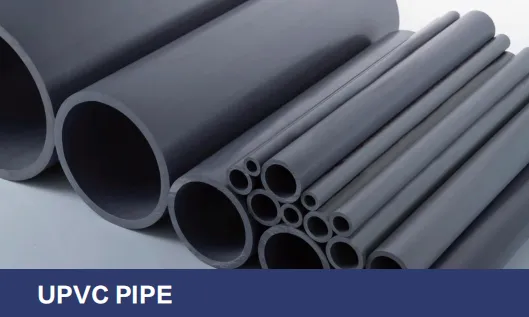
Unplasticized Polyvinyl Chloride (UPVC) pipes have revolutionized healthcare plumbing, and for good reason. Unlike their plasticized counterparts (PVC) or traditional metal options, UPVC is rigid, chemically stable, and designed to meet the most stringent hygiene and safety requirements. Let's unpack why they're a perfect fit:
Corrosion Resistance: A Lifeline for Pure Water
Metal pipes—copper, galvanized steel, or iron—are prone to corrosion over time. Rust flakes, scale buildup, and pitting can contaminate water, leading to discoloration, off-tastes, or worse, the spread of pathogens. UPVC pipes, by contrast, are inert. They don't react with water, chemicals, or oxygen, ensuring that water remains clean and pure for decades. This resistance is especially valuable in areas like dialysis units, where water quality directly impacts patient health.
Smooth Inner Surfaces: The Enemy of Biofilms
The inner walls of UPVC pipes are incredibly smooth, with a low friction coefficient that prevents the buildup of debris and bacteria. This smoothness reduces turbulence, allowing water to flow freely and minimizing the chances of biofilm formation. For healthcare facilities, this means fewer instances of clogged pipes, reduced need for harsh chemical cleanings, and a lower risk of waterborne infections—a win for both patient safety and operational efficiency.
Lightweight and Easy to Install: Minimizing Disruption
Hospitals can't shut down for plumbing overhauls. UPVC pipes are lightweight, making them easier to transport and install compared to heavy metal pipes. Their modular design allows for quick, tool-free connections (using solvent cement or push-fit joints), reducing installation time and minimizing disruption to patient care. This is a critical advantage during facility upgrades or expansions, where every hour of downtime translates to delayed treatments or relocated patients.
Cost-Effective: Long-Term Savings for Tight Budgets
Healthcare budgets are stretched thin, with funds prioritized for medical equipment and staff. UPVC pipes offer an attractive balance of upfront affordability and long-term savings. They require minimal maintenance—no need for anti-corrosion treatments or frequent replacements—and their durability means they can last 50 years or more with proper care. When compared to copper or stainless steel, which are costly to purchase and install, UPVC delivers superior value without compromising on performance.
While supply pipes deliver clean water, Drain-Waste-Vent (DWV) systems are responsible for removing wastewater and sewage, a task that's just as critical for infection control. In healthcare settings, where waste can include bodily fluids, pharmaceuticals, and infectious materials, DWV systems must be robust, odor-free, and resistant to blockages. This is where
pvc dwv pipe supplier expertise comes into play.
PVC DWV pipes, like their UPVC counterparts, offer smooth inner surfaces that prevent clogs and reduce the risk of backflow. They're designed to handle high volumes of waste, including solids, and their chemical resistance ensures they stand up to the harsh detergents and disinfectants used in medical cleaning. Additionally, DWV systems include vent pipes that release sewer gases, preventing odors from permeating patient rooms and common areas—an often-overlooked detail that contributes to patient comfort and staff well-being.
In surgical suites, for example, DWV systems must quickly remove wastewater from scrub sinks and floor drains to maintain sterile conditions. A reliable
pvc dwv pipe supplier will ensure that these systems are sized correctly, installed with precision, and tested to handle peak loads—because in a surgery, even a minor drainage delay can compromise the sterile field and put patients at risk.
Plumbing systems don't exist in isolation. To create truly safe healthcare environments, pipes must work in harmony with other components, such as fixtures, wall materials, and fire safety solutions. For instance:
Sanitary Fixtures: The Final Link in the Chain
Even the best pipes can't guarantee hygiene if fixtures are outdated or poorly designed. A reputable
sanitary fixtures/bathrooms supplier will offer products that complement UPVC systems—touchless faucets to reduce cross-contamination, anti-microbial sinks that resist bacterial growth, and water-efficient toilets that work seamlessly with DWV pipes. These fixtures, when paired with UPVC, create a closed loop of hygiene that starts at the water source and ends at the drain.
Fireproof Materials: Protecting Against the Unthinkable
As mentioned earlier, fire safety is a top priority in healthcare. While UPVC pipes themselves are flame-retardant, they're often installed alongside wall solutions like class a fireproof cpl inorganic boards. These boards, designed to resist high temperatures and prevent flame spread, add an extra layer of protection, ensuring that in the event of a fire, the structural integrity of walls—and the pipes within them—remains intact, allowing for safe evacuation and minimizing damage.
Water Quality Monitoring: Ensuring Purity at Every Step
UPVC pipes maintain water quality, but healthcare facilities also rely on monitoring systems to detect anomalies. From pH sensors to bacterial testing kits, these tools work with UPVC's inherent purity to ensure that water meets the strict standards required for dialysis, wound care, and general patient use.
To truly appreciate UPVC's value, it helps to compare it with other common plumbing materials used in healthcare. Below is a breakdown of how UPVC stacks up against copper, galvanized steel, and CPVC (Chlorinated Polyvinyl Chloride):
|
Material
|
Hygiene Performance
|
Durability
|
Installation Cost
|
Maintenance Needs
|
Fire Resistance
|
|
UPVC
|
Excellent (smooth surface, no biofilm)
|
50+ years (corrosion-resistant)
|
Low (lightweight, easy to install)
|
Minimal (no corrosion treatments)
|
Good (flame-retardant, self-extinguishing)
|
|
Copper
|
Good (natural antimicrobial properties)
|
20–30 years (prone to pinhole leaks)
|
High (heavy, requires skilled labor)
|
Moderate (may need descaling, corrosion checks)
|
Excellent (non-combustible)
|
|
Galvanized Steel
|
Poor (rough surface, prone to rust and biofilm)
|
15–20 years (corrodes quickly in harsh environments)
|
High (heavy, difficult to cut/join)
|
High (frequent replacements, rust removal)
|
Excellent (non-combustible)
|
|
CPVC
|
Very Good (similar to UPVC, heat-resistant)
|
40–50 years (resists high temperatures)
|
Moderate (more expensive than UPVC)
|
Minimal (similar to UPVC)
|
Good (flame-retardant)
|
While copper and CPVC have their merits (copper's antimicrobial properties, CPVC's heat resistance for hot water lines), UPVC stands out as the most well-rounded choice for healthcare. It offers superior hygiene, lower costs, and easier installation, making it ideal for the majority of plumbing applications—from cold water supply to DWV systems. For hot water lines, CPVC can complement UPVC, but for most healthcare plumbing needs, UPVC is the clear front-runner.
Let's take a look at a real-world example of how UPVC transformed a healthcare facility's plumbing infrastructure. Consider City General Hospital, a 400-bed acute care center in a bustling urban area. A few years ago, the hospital was struggling with frequent plumbing issues: leaks in the aging galvanized steel pipes, recurring clogs in drainage lines, and rising maintenance costs. The worst incident occurred when a corroded pipe in the neonatal intensive care unit (NICU) leaked, damaging equipment and forcing the temporary relocation of vulnerable infants.
The hospital's facilities team knew they needed a long-term solution. After consulting with engineers and comparing materials, they chose to partner with a reputable
upvc pipe supplier and
pvc dwv pipe supplier to overhaul their entire plumbing system. The project involved replacing all cold water supply lines and DWV systems with UPVC, alongside upgrading fixtures with help from a
sanitary fixtures/bathrooms supplier.
The results were transformative:
-
Reduced Downtime:
The lightweight UPVC pipes were installed in phases, allowing the hospital to remain operational throughout the project. Installation time was cut by 40% compared to the estimated timeline for metal pipe replacement.
-
Lower Maintenance Costs:
In the first year post-upgrade, maintenance calls for plumbing issues dropped by 75%. The hospital saved over $150,000 in repair and replacement costs.
-
Improved Infection Control:
Water quality tests showed a 90% reduction in bacterial counts, and there were no reported waterborne infections linked to plumbing in the two years following the upgrade.
-
Staff Satisfaction:
Nurses and doctors reported fewer disruptions from leaks or drainage problems, allowing them to focus more on patient care.
City General's experience isn't unique. Across the globe, healthcare facilities are making the switch to UPVC, recognizing that investing in quality plumbing infrastructure is an investment in patient safety and operational excellence.
While UPVC pipes offer numerous benefits, their performance depends largely on the quality of the materials and the expertise of the supplier. Not all UPVC pipes are created equal—substandard products may use recycled plastics or cut corners in manufacturing, compromising durability and hygiene. This is why partnering with a reputable
upvc pipe supplier is non-negotiable for healthcare facilities.
What should healthcare facilities look for in a supplier?
-
Certifications:
The supplier should provide pipes certified by international standards bodies (e.g., ISO, ASTM, NSF) to ensure compliance with healthcare regulations.
-
Customization:
Healthcare facilities have unique layouts and needs. A good supplier offers tailored solutions, such as custom pipe lengths or specialized fittings for medical equipment.
-
Technical Support:
From design assistance to installation guidance, the supplier should offer ongoing support to ensure the system performs optimally.
-
Track Record:
Look for suppliers with a proven history of serving healthcare clients. Case studies, testimonials, and references can provide valuable insights into their reliability.
In the fast-paced world of healthcare, it's easy to overlook the role of plumbing systems. But as we've explored, these systems are the unsung heroes that support every aspect of patient care—from delivering clean water for dialysis to removing waste without risk of infection. UPVC pipes, with their unbeatable combination of hygiene, durability, and cost-effectiveness, have emerged as the ideal solution for these critical needs.
Whether you're building a new healthcare facility or upgrading an existing one, the choice of plumbing materials matters. By partnering with a trusted
upvc pipe supplier,
pvc dwv pipe supplier, and other infrastructure experts, you're not just installing pipes—you're creating a foundation for safer, more efficient care. After all, in healthcare, every detail counts. And when it comes to plumbing, UPVC pipes deliver the peace of mind that patients, staff, and administrators deserve.