
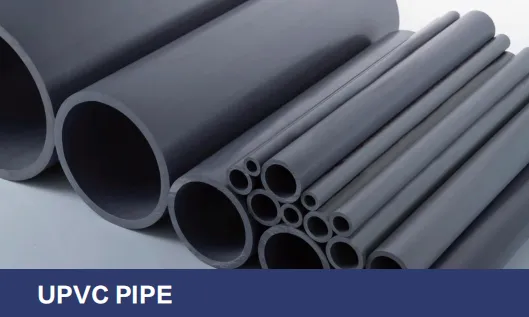
Walk into any construction site, home renovation project, or commercial building, and you'll likely find a network of pipes quietly doing the heavy lifting—delivering clean water, removing waste, and ensuring systems run smoothly. Among the many materials used for these critical "veins" of modern infrastructure, UPVC (Unplasticized Polyvinyl Chloride) pipes have emerged as a go-to choice for engineers, builders, and homeowners alike. But what makes UPVC pipes stand out? How do they transition from raw materials to reliable solutions that power our daily lives? Let's dive into the world of UPVC pipe solutions, exploring everything from their composition to their real-world applications—and why choosing the right upvc pipe supplier matters more than you might think.
At first glance, UPVC pipes might look similar to other plastic pipes, but their "unplasticized" nature sets them apart. Unlike regular PVC (Polyvinyl Chloride) pipes, which often contain plasticizers to make them flexible, UPVC skips these additives. This absence of plasticizers gives UPVC pipes a rigid, durable structure that's resistant to deformation, making them ideal for high-pressure applications. Think of it as the difference between a flexible garden hose and a sturdy metal pipe—UPVC strikes a balance between strength and versatility that's hard to match.
But UPVC isn't just "plain PVC minus plasticizers." Reputable upvc pipe suppliers blend high-grade PVC resin with a precise mix of additives to enhance performance: stabilizers to resist UV radiation and heat, impact modifiers to prevent cracking under stress, and colorants for visibility and UV protection. This careful formulation ensures that UPVC pipes aren't just tough—they're tailored to meet specific industry standards, whether for residential water supply or industrial chemical transport.
The journey of a UPVC pipe starts long before it reaches a construction site. It begins with raw material selection. Top upvc pipe suppliers source virgin PVC resin (rather than recycled material, which can compromise strength) and rigorously test additives for quality. Once the materials are approved, they're mixed in giant blenders to create a uniform compound—a bit like baking a cake, but with far more precise measurements. This compound is then fed into an extruder, a machine that melts the mixture and pushes it through a die to form the pipe's shape. As the pipe cools, it's cut to length, inspected for defects (like uneven walls or cracks), and labeled with specifications (size, pressure rating, manufacturer info).
What's striking about this process is its focus on consistency. A single flaw in the extrusion process can weaken the pipe, leading to leaks or failures down the line. That's why trusted upvc pipe suppliers invest in advanced manufacturing technologies, like computer-controlled extruders and real-time quality checks, to ensure every pipe meets strict standards. For example, pipes intended for high-pressure applications (like municipal water systems) undergo burst tests, where they're pressurized well beyond their rated capacity to ensure they can handle unexpected surges.
UPVC pipes owe their popularity to a unique set of properties that make them versatile across industries. Let's break down the most notable ones:
UPVC is inherently resistant to corrosion, rust, and chemical degradation. Unlike metal pipes, which can corrode when exposed to minerals in water or harsh chemicals, UPVC pipes maintain their integrity even in aggressive environments. This durability translates to a long lifespan—often 50 years or more—reducing the need for frequent replacements. For homeowners, this means fewer plumbing headaches; for businesses, it means lower long-term maintenance costs.
Despite their rigidity, UPVC pipes are surprisingly lightweight. This makes them easy to transport, handle, and install—no need for heavy machinery or specialized tools. A two-meter length of 4-inch UPVC pipe might weigh just 5-6 kg, compared to a similar steel pipe that could tip the scales at 20 kg or more. This lightness also reduces labor costs on-site, a big plus for contractors working on tight deadlines.
The inner surface of UPVC pipes is exceptionally smooth, with a low friction coefficient. This means water, waste, or other fluids flow through with minimal resistance, reducing the risk of clogs. In contrast, metal pipes can develop rough patches over time due to corrosion, which trap debris and slow flow. For applications like residential drainage or industrial fluid transport, this smoothness is a game-changer.
UPVC pipes are often more affordable upfront than metal alternatives like copper or galvanized steel. But their cost-effectiveness goes beyond initial purchase. Their lightweight design cuts installation labor costs, their durability minimizes repair expenses, and their low friction reduces energy use (pumps don't have to work as hard to push fluid through). When you factor in their long lifespan, UPVC pipes often end up being the most economical choice over time.
UPVC pipes aren't a one-size-fits-all solution—and that's part of their appeal. Upvc pipe solutions are tailored to specific needs, spanning residential, commercial, and industrial settings. Let's explore some common applications:
In homes, UPVC pipes are workhorses. They're used for cold water supply lines, bringing fresh water from the main to faucets, toilets, and appliances. Their resistance to corrosion ensures that water remains clean and free from metallic tastes or contaminants. UPVC is also a top choice for drainage systems, handling everything from kitchen sinks to showers. Unlike pvc dwv pipe suppliers (who focus on Drain-Waste-Vent systems, designed for non-pressurized waste removal), UPVC pipes can handle moderate pressure, making them suitable for both supply and low-pressure drainage in homes.
Commercial projects—think office buildings, hotels, and shopping malls—demand pipes that can handle higher volumes and pressures. UPVC rises to the challenge here, too. For example, in high-rise buildings, UPVC pipes efficiently transport water to upper floors without buckling under pressure. They're also used in HVAC systems to circulate chilled water, thanks to their thermal stability (they perform well in temperatures up to 60°C). And because they're easy to install in tight spaces (like between walls or under floors), they're a favorite among contractors working on complex commercial layouts.
Beyond buildings, UPVC pipes shine in industrial and agricultural settings. Their chemical resistance makes them ideal for transporting acids, alkalis, and other corrosive fluids in factories. In agriculture, they're used for irrigation systems, delivering water to crops with minimal loss due to leakage. They're even used in wastewater treatment plants, where they handle sewage and industrial effluents without degrading. For these heavy-duty applications, upvc pipe suppliers often offer specialized solutions, like thicker-walled pipes or reinforced designs, to meet unique demands.
To truly understand UPVC's value, it helps to compare it to other common pipe materials. Let's take a look at how it stacks up against PPR (Polypropylene Random Copolymer) and PVC DWV (Drain-Waste-Vent) pipes—two alternatives you might encounter from ppr pipe and fitting suppliers and pvc dwv pipe suppliers .
| Feature | UPVC Pipes | PPR Pipes (from PPR Pipe and Fitting Suppliers) | PVC DWV Pipes (from PVC DWV Pipe Suppliers) |
|---|---|---|---|
| Material | Unplasticized PVC (rigid, no plasticizers) | Polypropylene Random Copolymer (flexible, heat-resistant) | PVC with plasticizers (semi-flexible, for non-pressurized use) |
| Pressure Rating | High (up to 16 bar, depending on size/wall thickness) | Moderate to high (up to 20 bar for cold water, 10 bar for hot) | Low (not designed for pressurized systems) |
| Temperature Resistance | Good (up to 60°C; higher temps cause softening) | Excellent (up to 95°C, ideal for hot water) | Low (best for temperatures below 40°C) |
| Common Applications | Cold water supply, industrial fluid transport, irrigation | Hot and cold water supply, residential plumbing | Drainage, waste, and vent systems (non-pressurized) |
| Pros | Durable, corrosion-resistant, cost-effective, smooth flow | Heat-resistant, flexible, easy to install (fusion welding) | Lightweight, affordable, easy to cut/connect |
| Cons | Not ideal for hot water (over 60°C) | More expensive than UPVC; less rigid | Not suitable for high-pressure or hot fluids |
The takeaway? UPVC is the workhorse for cold water, high-pressure, and chemical-resistant applications. PPR, from ppr pipe and fitting suppliers , is better for hot water systems. PVC DWV, from pvc dwv pipe suppliers , is strictly for drainage. Choosing between them depends on your project's specific needs—but for many, UPVC offers the best balance of strength, versatility, and cost.
In an era where sustainability is a top priority, you might wonder about UPVC's environmental impact. The good news is that UPVC pipes are surprisingly eco-friendly, especially when compared to traditional materials like metal. For starters, their long lifespan (50+ years) means fewer replacements, reducing the demand for raw materials and energy used in manufacturing. They're also 100% recyclable at the end of their life, though recycling infrastructure for UPVC is still growing in some regions.
Additionally, UPVC pipes require less energy to produce than metal pipes. Manufacturing steel or copper pipes involves mining, smelting, and shaping—processes that emit significant CO2. UPVC production, by contrast, uses energy-efficient extrusion and relies on abundant raw materials. Plus, their smooth inner surface reduces water flow resistance, which means pumps use less energy to move fluids—another win for sustainability.
Of course, like any plastic product, UPVC isn't without environmental considerations. The production of PVC resin involves chlorine, which can release harmful byproducts if not managed properly. That's why choosing a responsible upvc pipe supplier is key—look for suppliers who follow green manufacturing practices, like using renewable energy or recycling production waste.
Even the best UPVC pipes won't perform well if installed incorrectly. Here are some pro tips to ensure your UPVC system works flawlessly:
For complex projects, it's always wise to consult a professional plumber or rely on pipes fittings suppliers who offer installation guidance. Many suppliers provide technical support, including recommended tools, cement types, and safety tips.
One of the biggest perks of UPVC pipes is their low maintenance. Unlike metal pipes, which need periodic painting or rust treatment, UPVC pipes require little more than occasional checks. Here's how to keep them in top shape:
With proper care, your UPVC pipes should last for decades with minimal issues—a testament to their reliability.
Not all UPVC pipes are created equal, and the supplier you choose can make or break your project. Here's what to prioritize when selecting a upvc pipe supplier :
From residential homes to industrial complexes, UPVC pipes have proven themselves as a versatile, durable, and cost-effective solution for modern plumbing and fluid transport. Their unique blend of strength, lightweight design, and chemical resistance makes them a favorite among builders, engineers, and homeowners—and as upvc pipe suppliers continue to innovate (think improved sustainability, higher pressure ratings, and smarter fittings), their role in infrastructure will only grow.
Whether you're renovating your home, building a commercial space, or tackling an industrial project, UPVC pipes offer a reliable foundation for your plumbing system. And by choosing the right supplier—one that prioritizes quality, sustainability, and customer support—you can ensure your UPVC solution delivers value for decades to come. After all, in the world of construction, the best materials are the ones that work quietly, reliably, and efficiently—just like UPVC pipes.
Recommend Products












