
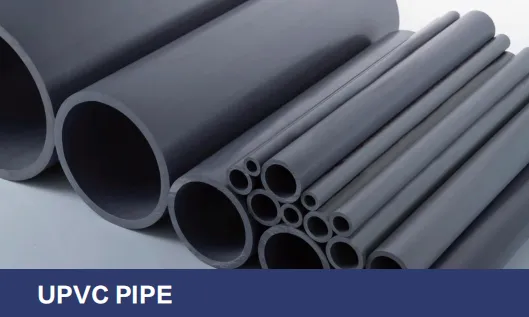
When it comes to building or renovating a space—whether it's your dream home, a bustling office building, or a community hospital—every choice matters. From the paint on the walls to the materials hidden behind them, each decision leaves a footprint. One area that often flies under the radar but plays a huge role in both functionality and sustainability is the plumbing system. Pipes might not be the most glamorous part of construction, but they're the circulatory system of any structure, carrying water, waste, and essential fluids day in and day out. Today, let's talk about a material that's been quietly revolutionizing this space: UPVC pipe. More specifically, we'll dive into upvc pipe solutions , why they're gaining traction among builders and homeowners alike, and how they stack up when it comes to environmental impact and long-term sustainability. Whether you're a contractor, a DIY enthusiast, or just someone curious about eco-friendly building choices, this is the guide you've been waiting for.
First things first: Let's clear up any confusion about what UPVC stands for. It's short for "unplasticized polyvinyl chloride," which is a mouthful, but the key word here is "unplasticized." Unlike regular PVC (polyvinyl chloride) pipes, which often contain plasticizers to make them more flexible, UPVC skips those additives. That makes it stiffer, stronger, and more resistant to heat, chemicals, and wear—traits that make it a standout in the world of plumbing. Think of it as the tough, no-nonsense cousin of traditional PVC, built to handle the demands of modern construction without compromising on performance.
But UPVC isn't just about strength. It's also about smart engineering. Upvc pipe suppliers have refined the material over the years to create solutions that are lightweight, easy to install, and tailored to specific needs—whether you're routing water through a high-rise apartment or draining waste from a commercial kitchen. And because it's free of plasticizers, it's also more environmentally stable, meaning it doesn't leach harmful chemicals into the water or air over time. That's a big win for both human health and the planet.
Sustainability isn't just a buzzword anymore—it's a necessity. When we talk about green building materials, we're looking at three key factors: how much energy goes into making them, how long they last, and what happens to them when they're no longer needed. UPVC pipe solutions check all these boxes in ways that might surprise you.
Let's start at the beginning: manufacturing. Producing UPVC pipes requires significantly less energy compared to traditional materials like copper, steel, or even concrete. Metal pipes, for example, need to be mined, melted, and shaped at extremely high temperatures—processes that guzzle fossil fuels and release tons of greenhouse gases. UPVC, on the other hand, is made from vinyl chloride monomers, which are polymerized under controlled conditions that use far less energy. Modern upvc pipe suppliers have also invested in cleaner production methods, like using renewable energy sources in factories and optimizing waste reduction during manufacturing. The result? A product that starts its life with a much smaller carbon footprint than many of its competitors.
Here's a simple truth: the longer a product lasts, the fewer times you need to replace it. And fewer replacements mean less waste, less energy used in production, and fewer resources extracted from the earth. UPVC pipes are built to last—like, really last. Most manufacturers guarantee a lifespan of 50 years or more, and in real-world conditions, many UPVC systems have been known to perform well for 70 years or longer. Compare that to copper pipes, which can corrode over time (especially in areas with hard water) and often need replacement after 20–30 years, or galvanized steel, which might rust out in as little as 15 years. Every time you avoid replacing a pipe, you're saving the energy and materials that would have gone into making a new one. That's sustainability in action.
Ever walked into an old building and smelled that faint, metallic odor from the tap? That's often a sign of corroded pipes leaching rust or other particles into the water. UPVC doesn't have that problem. It's completely resistant to corrosion, rust, and chemical damage, which means it won't degrade when exposed to harsh substances like cleaning agents, fertilizers, or industrial waste. This is a huge deal for commercial and industrial settings, where pipes often carry more than just water. For example, in a manufacturing plant, upvc pipe solutions can safely transport acids or alkalis without breaking down, reducing the need for frequent repairs or replacements. In residential homes, it means cleaner, safer drinking water and fewer plumbing emergencies—both of which contribute to a more sustainable lifestyle.
You might be thinking, "Okay, UPVC sounds great, but how does it compare to other popular pipe materials like PPR or PVC DWV?" Let's break it down. PPR (polypropylene random copolymer) pipes are often used for hot water systems because they can handle higher temperatures, while PVC DWV (drain, waste, and vent) pipes are designed specifically for removing wastewater. Both have their uses, but when it comes to overall environmental impact and versatility, UPVC holds its own. Let's take a closer look with a side-by-side comparison:
| Feature | UPVC Pipe Solutions | PPR Pipe & Fitting Solutions | PVC DWV Pipe Solutions |
|---|---|---|---|
| Environmental Impact (Manufacturing) | Low energy use; minimal emissions | Moderate energy use; similar to UPVC | Low energy use, but may contain plasticizers |
| Durability | 50–70 years (resistant to corrosion/chemicals) | 40–50 years (good heat resistance, but less rigid) | 30–40 years (prone to cracking under heavy pressure) |
| Recyclability | Recyclable with proper infrastructure | Recyclable, but limited markets for post-consumer waste | Recyclable, but plasticizers can complicate recycling |
| Primary Use Cases | Water supply, irrigation, industrial piping | Hot/cold water systems, residential plumbing | Drainage, waste removal, vent systems |
| Installation Energy | Lightweight; easy to install with minimal tools | Requires heat fusion, which uses more energy | Lightweight, but less versatile for high-pressure use |
As you can see, UPVC outperforms in durability and has a similar (if not lower) environmental impact compared to PPR and PVC DWV. While PPR is better for hot water and PVC DWV is ideal for drainage, UPVC's versatility makes it a go-to for everything from residential water lines to industrial applications. Plus, since it doesn't contain plasticizers (unlike some PVC DWV pipes), it's a safer, more sustainable choice for long-term use.
One of the biggest questions people have about plastic-based materials is, "Can they be recycled?" It's a fair concern. The good news is that UPVC is recyclable—though, like many plastics, the process isn't always straightforward. The key challenge is collecting and sorting UPVC pipes from other types of plastic waste, since contamination can affect the quality of the recycled material. However, the industry is making strides here. Many upvc pipe suppliers now offer take-back programs for old pipes, ensuring they're properly recycled into new products like window frames, flooring, or even new pipes. Some companies are even experimenting with "closed-loop" systems, where waste from UPVC manufacturing is reused in the production process, cutting down on raw material use.
It's also worth noting that UPVC's long lifespan means it doesn't enter the waste stream as often as other materials. A pipe that lasts 70 years is recycled once, whereas a steel pipe that lasts 15 years would need to be recycled 4–5 times in the same period. That reduces the overall demand for recycling infrastructure and lowers the energy required to process waste. In the circular economy, durability is just as important as recyclability—and UPVC delivers on both.
UPVC pipe solutions aren't just theoretical—they're making a difference in real construction projects around the world. Let's take a look at a few examples:
In a new housing development in Riyadh, Saudi Arabia, builders chose UPVC pipes over traditional copper for the water supply system. The result? A 30% reduction in installation time (thanks to UPVC's lightweight design and easy-to-use fittings) and an estimated 40% lower long-term maintenance cost. Homeowners reported better water pressure and no issues with rust or corrosion, even after five years of use. The project's sustainability report noted that switching to UPVC reduced the development's carbon footprint by 15% compared to using copper pipes—all while keeping costs down for both builders and residents.
A shopping mall in Dubai needed a plumbing system that could handle heavy use from thousands of visitors daily. They opted for upvc pipe solutions for both water supply and drainage. The pipes have now been in place for 12 years, and maintenance crews report zero leaks or replacements needed. "UPVC was a no-brainer," said the mall's facilities manager. "It's tough enough to handle the constant water flow and cleaning chemicals, and it doesn't corrode like metal pipes. We've saved so much on repairs that we've been able to invest in other green initiatives, like solar panels."
A pharmaceutical plant in Europe uses UPVC pipes to transport purified water and mild acids during the drug manufacturing process. Because UPVC is non-reactive, it doesn't contaminate the products or degrade when exposed to cleaning agents. This has reduced the risk of product recalls and improved overall efficiency. The plant's environmental team also noted that UPVC's lightweight design cut down on transportation emissions—since fewer trucks were needed to deliver the pipes compared to heavier steel alternatives.
Of course, no material is perfect. UPVC does have some challenges to overcome. One of the biggest is public perception: many people still associate "PVC" with harmful plasticizers, even though UPVC is unplasticized. Education is key here—helping builders and homeowners understand the difference between UPVC and traditional PVC can go a long way. Another challenge is recycling infrastructure in some regions. While developed countries have systems in place to recycle UPVC, many developing areas still lack the facilities, leading to more waste ending up in landfills. Upvc pipe suppliers are working to address this by partnering with local governments to build recycling plants and launch awareness campaigns about proper waste disposal.
Looking to the future, the UPVC industry is focusing on innovation. Researchers are experimenting with bio-based additives to make UPVC even more environmentally friendly, and companies are exploring ways to use recycled UPVC in high-performance applications. There's also a push to improve the material's heat resistance, which could expand its use in hot water systems and reduce reliance on PPR pipes. With these advancements, UPVC is poised to become an even more sustainable choice in the years to come.
At the end of the day, sustainability is about making choices that balance functionality, cost, and environmental impact. UPVC pipe solutions do exactly that. They're strong, durable, and easy to install, making them a favorite among builders. They have a low carbon footprint, resist corrosion, and can be recycled, making them a win for the planet. And they're affordable, which means more people and businesses can access sustainable building materials without breaking the bank.
Whether you're building a new home, renovating an office, or working on a large-scale industrial project, upvc pipe solutions offer a path forward—one that prioritizes both performance and the health of our planet. As we continue to strive for greener cities and more sustainable communities, materials like UPVC will play a crucial role. After all, the best way to build a better future is to build it to last.
Recommend Products












