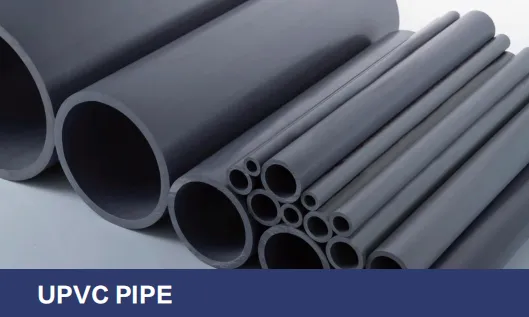
When a contractor named Ahmed first walked onto the construction site of a new residential complex in Riyadh, he knew the success of the project hinged on thousands of small, unseen decisions—none more critical than the piping system. "We needed something that could handle Saudi Arabia's harsh temperatures, resist corrosion from our water supply, and last for decades without constant repairs," he recalls. After weighing options like PPR, PEX, and traditional PVC, his team chose UPVC pipes. "It wasn't just about cost—it was about reliability. When you're building homes for families, you don't want to cut corners on what keeps their water flowing and their drains clear." Ahmed's story isn't unique. From single-family homes to sprawling hospitals, UPVC pipes have become the backbone of modern plumbing, offering a blend of durability, safety, and versatility that's hard to match. Let's dive into what makes these pipes so essential, the different types available, and where they shine brightest.
What Are UPVC Pipes, Exactly?
At their core, UPVC pipes—short for Unplasticized Polyvinyl Chloride—are a type of rigid plastic pipe made from PVC resin without the addition of plasticizers. Unlike regular PVC pipes, which often include plasticizers to make them more flexible, UPVC stays rigid, thanks to its unplasticized formula. This might sound like a small detail, but it's the reason these pipes stand out in the crowded world of plumbing materials.
Think of it this way: if regular PVC is a bendable garden hose, UPVC is the sturdy metal pipe you'd trust to carry water from the street to your house. The absence of plasticizers gives UPVC superior strength, chemical resistance, and heat stability. It's also lightweight compared to metal, making installation easier and more cost-effective—a win for both contractors and homeowners.
But what truly sets UPVC apart is its balance of properties. It's resistant to rust, rot, and corrosion, which means it won't degrade when exposed to water, chemicals, or even sunlight (when properly installed). It's also non-toxic, making it safe for transporting drinking water—a crucial feature for homes, schools, and hospitals. And unlike some materials, UPVC doesn't leach harmful substances into the water, ensuring that the water coming out of your tap is clean and safe.
To put it simply: UPVC pipes are the workhorses of the plumbing world. They're not flashy, but they do their job quietly and reliably, day in and day out.
Types of UPVC Pipes: More Than Just "One Size Fits All"
UPVC pipes aren't a one-trick pony. Manufacturers design them for specific jobs, tailoring their thickness, diameter, and structure to meet the demands of different applications. Let's break down the most common types you'll encounter, and how they stack up against other popular piping options like PVC DWV, PPR, and PEX.
1. UPVC Pressure Pipes: Built for Strength
Imagine turning on a shower and feeling the water pressure drop halfway through—frustrating, right? That's where UPVC pressure pipes come in. These pipes are engineered to withstand high water pressure, making them ideal for delivering water from municipal supply lines to homes, offices, and factories. They're available in various pressure ratings (measured in PSI or bar), with thicker walls for higher pressures. For example, a 1-inch UPVC pressure pipe might handle 160 PSI, perfect for multi-story buildings where water needs to travel upward.
What makes them better than, say, PPR pipes here? While PPR (Polypropylene Random Copolymer) is great for hot water, UPVC pressure pipes offer higher chemical resistance, making them suitable for areas with aggressive water conditions (like hard water with high mineral content). They're also more rigid, which reduces the risk of sagging or bursting under pressure—an important consideration in regions with extreme temperature fluctuations, like the deserts of Saudi Arabia.
2. UPVC DWV Pipes: Keeping Drains Flowing Freely
If pressure pipes are the "supply" heroes, UPVC DWV (Drain, Waste, Vent) pipes are the "removal" champions. These pipes handle wastewater, sewage, and venting from sinks, toilets, showers, and appliances. Unlike pressure pipes, DWV pipes aren't designed for high pressure—instead, they prioritize smooth flow and ventilation to prevent clogs and gas buildup.
You might wonder: How do UPVC DWV pipes differ from standard PVC DWV pipes? While both are used for drainage, UPVC DWV pipes are often thicker and more rigid, offering better impact resistance. This is key in commercial settings, where heavy objects might accidentally hit pipes, or in areas prone to seismic activity. A
pvc dwv pipe supplier
might offer both options, but for projects where durability is non-negotiable—like hospitals or schools—UPVC DWV is often the go-to.
3. Specialty UPVC Pipes: Tailored for Unique Needs
Beyond pressure and DWV, UPVC pipes come in specialized forms for niche applications. There are UPVC well casing pipes for water wells, which resist corrosion from soil and groundwater; UPVC electrical conduits, which protect wiring in buildings; and even UPVC pipes for chemical processing, thanks to their resistance to acids and alkalis. These pipes are often custom-made to meet industry standards, such as ASTM or DIN, ensuring they perform in specific environments.
Case Example: Why a Hospital Chose UPVC DWV Pipes
When the Al Salam Hospital in Jeddah was undergoing renovations, the plumbing team faced a unique challenge: the drainage system needed to be hygienic, easy to clean, and resistant to the harsh cleaning chemicals used in medical facilities. "We couldn't risk leaks or bacterial growth—patient safety was our top priority," says the hospital's facilities manager. After consulting with an
upvc pipe supplier
, they opted for UPVC DWV pipes. "The smooth inner surface prevents buildup, and the material doesn't react with disinfectants. Three years later, we haven't had a single clog or corrosion issue."
How UPVC Compares to Other Pipe Materials
To truly understand UPVC's value, it helps to see how it stacks up against other common piping materials. Let's compare UPVC with PPR, PEX, and traditional PVC:
|
Feature
|
UPVC
|
PPR (Polypropylene Random Copolymer)
|
PEX (Cross-Linked Polyethylene)
|
Traditional PVC
|
|
Material
|
Unplasticized PVC (rigid)
|
Polypropylene (semi-rigid)
|
Cross-linked polyethylene (flexible)
|
Plasticized PVC (flexible)
|
|
Pressure Resistance
|
High (good for water supply)
|
Moderate to high (excellent for hot water)
|
Moderate (flexible, used for both hot/cold)
|
Low to moderate (not for high pressure)
|
|
Temperature Range
|
Up to 60°C (best for cold water)
|
Up to 95°C (ideal for hot water systems)
|
Up to 95°C (flexible for underfloor heating)
|
Up to 50°C (limited heat tolerance)
|
|
Chemical Resistance
|
Excellent (resists acids, alkalis)
|
Good (resists most household chemicals)
|
Good (but sensitive to UV light)
|
Moderate (plasticizers may leach)
|
|
Common Applications
|
Water supply, drainage, industrial
|
Hot/cold water systems, residential plumbing
|
Underfloor heating, residential plumbing
|
Garden hoses, low-pressure drainage
|
As the table shows, UPVC excels in chemical resistance and rigidity, making it a top choice for drainage and high-pressure cold water systems. For hot water, a
ppr pipe and fitting supplier
might be preferred, while
pex pipe and fitting supplier
options are great for flexible, low-maintenance residential setups. But when durability and chemical resistance are key, UPVC stands out.
Core Applications: Where UPVC Pipes Shine Brightest
UPVC pipes aren't just a "one-use" product—their versatility means they're found in nearly every corner of the built environment. Let's explore the areas where they make the biggest difference.
1. Residential Plumbing: The Backbone of Home Comfort
Walk into any modern home, and chances are the plumbing system relies on UPVC pipes. From delivering cold water to kitchens and bathrooms to carrying away wastewater, UPVC ensures that daily tasks—washing dishes, taking showers, flushing toilets—happen seamlessly. Homeowners love UPVC for its low maintenance: unlike metal pipes, it doesn't rust, so you won't wake up to a rust-stained sink or a burst pipe from corrosion. And because it's lightweight, installation is faster, which translates to lower labor costs for builders and homeowners alike.
For example, in a typical 3-bedroom house, UPVC pressure pipes might supply water from the main line to faucets, while UPVC DWV pipes handle drainage from the kitchen, bathrooms, and laundry room. An
upvc pipe supplier
would likely provide a "whole-house solution," including pipes, fittings, and valves, to ensure compatibility and ease of installation.
2. Commercial Buildings: Durability for High Traffic
In commercial settings—offices, hotels, shopping malls—pipes face heavier use and more wear and tear. UPVC's strength makes it a natural fit here. Hotels, for instance, have hundreds of guests using showers and sinks daily; UPVC pressure pipes ensure consistent water pressure, even during peak hours. Shopping malls rely on UPVC DWV pipes to handle large volumes of wastewater from food courts and restrooms, where clogs could disrupt business.
Schools and hospitals have even stricter requirements. Schools need pipes that can withstand roughhousing (think students accidentally kicking pipes in basements), while hospitals need materials that meet strict hygiene standards. UPVC delivers on both fronts, with its impact resistance and non-porous surface that resists bacterial growth.
3. Municipal and Industrial Projects: Big-Scale Reliability
Beyond buildings, UPVC pipes play a vital role in larger infrastructure. Municipal water supply systems use UPVC pressure pipes to transport water from treatment plants to neighborhoods. These pipes can span kilometers, withstanding ground movement and temperature changes without cracking. In rural areas, UPVC well casing pipes provide clean water from underground sources, resisting corrosion from soil and minerals.
Industrial facilities—chemical plants, factories, and agricultural operations—also depend on UPVC. Its chemical resistance makes it ideal for transporting acids, fertilizers, and other corrosive substances. For example, a fertilizer plant might use UPVC pipes to move ammonia solutions, knowing the material won't degrade over time.
4. Sustainable Construction: A Greener Choice
In an era where sustainability matters more than ever, UPVC pipes hold their own. They're recyclable, meaning old pipes can be melted down and repurposed into new products. They also require less energy to produce than metal pipes, reducing their carbon footprint. Additionally, their long lifespan—often 50 years or more—means fewer replacements, which cuts down on waste. For builders aiming for green certifications (like LEED), UPVC's sustainability credentials are a significant plus.
Choosing the Right UPVC Pipe Supplier: More Than Just a Transaction
Ahmed, the contractor from Riyadh, learned early on that the quality of the pipes is only as good as the supplier behind them. "We once bought cheap UPVC pipes from a no-name supplier to save money—and ended up replacing half of them within a year due to leaks," he says. "Now, we prioritize suppliers who offer more than just products—they offer
upvc pipe solutions
." So, what should you look for in a reliable UPVC pipe supplier?
1. Quality Certifications
Reputable suppliers will have their pipes tested and certified by organizations like ASTM, ISO, or SASO (Saudi Arabian Standards Organization). Certifications ensure that the pipes meet safety, performance, and quality standards. For example, a pipe certified to ASTM D1785 (for UPVC pressure pipes) has been rigorously tested for pressure resistance and chemical stability.
2. Range of Products
A good supplier should offer a full line of UPVC products: pressure pipes, DWV pipes, fittings (elbows, tees, couplings), valves, and accessories. This one-stop shop approach saves time and ensures that all components are compatible, reducing the risk of leaks or installation errors. Some suppliers even provide custom solutions, like pipes in unique sizes or colors, for specialized projects.
3. Technical Support
Piping systems can be complex, and even experienced contractors sometimes need guidance. The best suppliers offer technical support—engineers or experts who can help with system design, material selection, and troubleshooting. For example, if you're unsure whether UPVC or PPR is better for a hot water system, a supplier with in-house experts can explain the pros and cons based on your project's specific needs (like temperature requirements or budget).
4. Reliable Delivery
Construction projects run on tight schedules, and delays in material delivery can derail timelines. Look for suppliers with a strong logistics network, especially in regions like Saudi Arabia, where transportation across large distances can be challenging. A supplier with local warehouses or partnerships with trusted carriers will ensure your pipes arrive on time, every time.
The Future of UPVC Pipes: Innovations on the Horizon
As technology advances, UPVC pipes are evolving too. Manufacturers are developing thinner yet stronger pipes to reduce material usage and transportation costs. Some are adding antimicrobial coatings to make pipes even more suitable for healthcare settings. Others are experimenting with recycled UPVC to further boost sustainability.
There's also a growing trend toward "smart" piping systems, where UPVC pipes are integrated with sensors to monitor flow, pressure, and leaks in real time. Imagine a hospital being alerted to a potential pipe leak before it causes damage—that's the future UPVC is helping to build.
Conclusion: Why UPVC Pipes Remain a Timeless Choice
From Ahmed's residential complex to the Al Salam Hospital, UPVC pipes have proven themselves as more than just construction materials—they're partners in building safe, comfortable, and sustainable spaces. Their unique blend of strength, versatility, and affordability makes them a top choice for everyone from homeowners to industrial engineers.
Whether you're renovating a bathroom, building a school, or laying water mains for a city, the right piping system is foundational. And when it comes to reliability, few options compare to UPVC. As Ahmed puts it: "At the end of the day, you want pipes that work so well, no one ever has to think about them. That's what UPVC gives you—peace of mind."
So, the next time you turn on a faucet or flush a toilet, take a moment to appreciate the unsung hero behind the scenes: the UPVC pipe, quietly doing its job, day in and day out. And when you're ready to start your next project, remember—choosing the right
upvc pipe supplier
isn't just a purchase; it's an investment in the future of your build.