
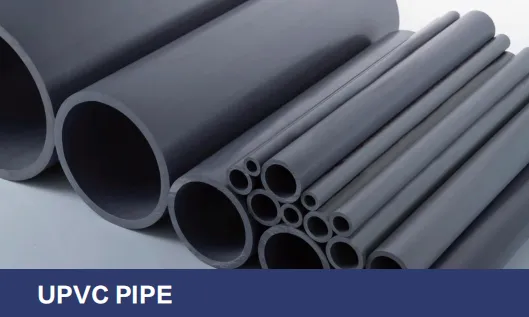
Walk into any construction site, residential home, or commercial building, and you'll find a network of pipes quietly doing the heavy lifting—carrying water, draining waste, and ensuring daily operations run smoothly. Among these unsung heroes, UPVC (Unplasticized Polyvinyl Chloride) pipes have become a staple, praised for their affordability, versatility, and low maintenance. Yet, despite their widespread use, there's a cloud of misconceptions surrounding them. As someone deeply involved in upvc pipe solutions, I've lost count of how many times clients have asked, "Are these pipes really durable?" or "Won't they crack in the cold?" Today, we're setting the record straight. Let's dive into the most common myths about UPVC pipes and separate fact from fiction, so you can make informed decisions for your next project—whether it's a small home renovation or a large-scale commercial development.
One of the oldest myths about UPVC pipes is that they're "just plastic"—flimsy, easily damaged, and no match for the demands of modern plumbing. I've heard contractors say, "I'd rather use metal; it's stronger." But here's the thing: UPVC is far from weak. Let's break down why this myth persists and why it's time to let it go.
The confusion often stems from comparing UPVC to flexible plastics like PVC (which can be plasticized for flexibility) or even low-quality plastic pipes. UPVC, however, is unplasticized, meaning it retains its rigidity and structural integrity. Manufacturers reinforce it with additives that boost impact resistance, making it surprisingly tough. In fact, UPVC pipes are tested to withstand heavy impacts—think of a construction worker accidentally dropping a tool on them—and they rarely crack. Unlike metal pipes, which dent or bend under pressure, UPVC holds its shape, even in high-stress environments.
Durability is another key point. UPVC pipes have a lifespan of 50–100 years when installed correctly, outlasting many metal alternatives that corrode over time. Take galvanized steel, for example: it's prone to rust, which narrows the pipe diameter and reduces water flow. Copper pipes, while reliable, can develop pinhole leaks due to corrosion from acidic water. UPVC? It's resistant to corrosion, chemicals, and biological growth (like mold or algae), so it stays smooth and functional for decades.
Real-World Example: A residential complex in Riyadh, Saudi Arabia, installed upvc pipe solutions for its potable water system back in 2010. During a routine inspection in 2023, engineers found the pipes in near-perfect condition—no corrosion, no leaks, and water flow rates unchanged from day one. The property manager noted, "We expected to replace sections by now, but the UPVC has held up better than we imagined. It's saved us thousands in maintenance costs."
UPVC's strength comes from its chemical composition. Without plasticizers, it maintains a high tensile strength (the ability to resist breaking under tension) and flexural strength (resistance to bending). Most UPVC pipes are rated for high pressure—standard SCH40 UPVC pipes, for instance, can handle pressures up to 160 psi (pounds per square inch) at 73°F, which is more than enough for residential and light commercial water supply. For industrial applications, heavier-duty SCH80 pipes push that limit even higher.
Cold weather is another area where UPVC shines. Unlike some plastics that become brittle in low temperatures, UPVC remains impact-resistant even when the mercury drops. Testing shows that quality UPVC pipes can withstand temperatures as low as -10°C (14°F) without cracking, making them suitable for outdoor installations in regions with mild to moderate winters. In extreme cold, proper insulation (a standard practice for any pipe) adds an extra layer of protection—no different than what you'd do for metal pipes.
"UPVC is only for cold water, right?" I get this question almost daily, especially from homeowners planning bathroom or kitchen renovations. The myth goes that hot water will warp or melt UPVC pipes, leading to leaks or system failure. While it's true that UPVC has temperature limitations, the idea that it can't handle any hot water is misleading. Let's clarify.
First, let's define "hot water." For most residential uses—like showers, sinks, or dishwashers—water temperatures typically range from 38°C to 50°C (100°F to 122°F). Commercial settings, such as hotels or hospitals, might see slightly higher temps, but rarely exceed 60°C (140°F). UPVC pipes are designed to handle these temperatures comfortably, as long as they're used within their rated limits.
The confusion often arises when comparing UPVC to other plastic pipes like PPR (Polypropylene Random Copolymer) or PEX (Cross-Linked Polyethylene), which are specifically engineered for high-temperature applications (up to 95°C/203°F). UPVC isn't meant for boiling water or steam lines, but that doesn't disqualify it from hot water use entirely. In fact, many plumbing codes approve UPVC for domestic hot water systems where temperatures stay below 60°C.
Case Study: A mid-sized hotel in Jeddah, Saudi Arabia, recently renovated its guest bathrooms, opting for upvc pipe solutions for both cold and hot water lines. The hotel's water heater is set to 55°C, and after two years of operation, there have been zero issues with pipe warping or leaks. The maintenance team reports that the UPVC pipes have maintained their shape and connections, proving that when used within their temperature range, they're more than capable.
UPVC's temperature resistance is backed by industry standards. For example, ASTM D1785, a key standard for UPVC pipes, specifies that they can operate at 60°C (140°F) with a service factor of 0.8, meaning they retain 80% of their pressure-bearing capacity at that temperature. For most homes and businesses, this is more than sufficient. It's only when temperatures exceed 60°C that UPVC's performance starts to decline—but how often does that happen in everyday use?
What about drain lines? Here, UPVC truly excels. Pvc dwv pipe solutions (DWV stands for Drain, Waste, Vent) are specifically designed to handle warm wastewater from showers, sinks, and washing machines. These pipes are built to withstand the occasional spike in temperature (like draining a pot of hot water from the kitchen) without deforming. Unlike metal drain pipes, which can corrode from harsh detergents or chemical cleaners, UPVC is chemical-resistant, making it ideal for DWV systems.
The bottom line: If your project involves hot water below 60°C, UPVC is a reliable choice. For higher temperatures (like in industrial boilers or commercial kitchens with steam lines), opt for PPR or PEX. But don't rule out UPVC for your everyday hot water needs—it's more capable than you think.
In an era where sustainability is front and center, it's no surprise that "plastic" often gets a bad rap. I've had eco-conscious clients say, "I want to go green—so I'll avoid UPVC." But is this fair? Let's unpack the environmental impact of UPVC pipes and see how they stack up against other materials.
The myth likely stems from concerns about plastic waste and non-biodegradability. It's true that UPVC doesn't biodegrade, but neither do metal pipes. The key difference lies in longevity, recyclability, and resource use. Let's start with longevity: As we mentioned earlier, UPVC pipes last 50–100 years. Compare that to galvanized steel pipes, which typically last 20–50 years, or copper pipes, which last 50–70 years. Fewer replacements mean less material consumption over time—a major win for sustainability.
Then there's recyclability. Contrary to popular belief, UPVC is 100% recyclable. Many manufacturers now use recycled UPVC in their production processes, reducing the need for virgin materials. When a UPVC pipe finally reaches the end of its life (decades from now), it can be melted down and repurposed into new pipes, fittings, or even non-plumbing products like window frames. Metal pipes, while also recyclable, require more energy to melt and process, making UPVC a lower-carbon option in that regard.
Resource use is another factor. Producing UPVC requires less energy than manufacturing metal pipes. For example, making a meter of UPVC pipe uses approximately 50% less energy than making a meter of copper pipe. Additionally, UPVC is lightweight—about 1/7th the weight of copper—reducing transportation emissions. When you factor in that UPVC pipes don't require corrosion-resistant coatings (which often contain harmful chemicals), their environmental footprint becomes even smaller.
The sustainability of UPVC pipes is increasingly recognized by green building certifications. LEED (Leadership in Energy and Environmental Design), for instance, rewards projects that use durable, low-maintenance materials—categories where UPVC excels. Many upvc pipe suppliers now offer eco-friendly lines made with recycled content and energy-efficient manufacturing processes, further reducing their environmental impact.
It's also worth noting that UPVC's smooth interior reduces water flow resistance, meaning less energy is needed to pump water through the pipes. This translates to lower utility bills and reduced carbon emissions from power plants. In a world where every drop of water and kilowatt of energy counts, these small efficiencies add up.
"I heard UPVC pipes are a nightmare to install—you need fancy tools and expert skills." This is a common concern among DIY enthusiasts and even some contractors who are used to working with metal. But the truth is, UPVC installation is surprisingly straightforward, and you don't need a truckload of specialized equipment. Let's debunk this myth.
First, consider the weight. UPVC pipes are lightweight, making them easy to carry, lift, and maneuver—even in tight spaces like crawl spaces or ceiling voids. Compare that to copper or steel pipes, which often require two people to move and install. A single worker can handle UPVC pipes, saving time and labor costs on the job site.
Cutting UPVC is simple, too. Unlike metal pipes, which need hacksaws, pipe cutters, or power tools, UPVC can be cut with a standard handsaw or a plastic pipe cutter (a small, affordable tool available at any hardware store). The key is to make a straight cut, which is easy to do with a pipe-cutting guide. No sparks, no loud noises—just a clean, quick cut.
Joining UPVC pipes is where things get even easier. Instead of soldering (like copper) or threading (like steel), UPVC uses solvent cement—a glue-like adhesive that chemically bonds the pipe and fitting together. The process takes minutes: clean the pipe and fitting with a primer, apply the cement, and push them together. Hold for 30 seconds, and you've got a leak-proof joint that sets in about an hour and fully cures in 24 hours. No open flames, no waiting for solder to cool—just a simple, mess-free connection.
DIY Success Story: Sarah, a homeowner in Riyadh, recently replaced the DWV pipes under her kitchen sink using pvc dwv pipe solutions. "I'd never done plumbing before, but the UPVC was so easy to work with," she said. "I watched a 10-minute YouTube tutorial, bought a pipe cutter and solvent cement, and had the job done in an afternoon. The best part? No leaks, and it cost a fraction of what a plumber quoted me."
Of course, for large-scale projects or complex layouts, hiring a professional is still a good idea—but that's true for any piping material. The point is, UPVC doesn't require specialized training or tools, making it accessible to both pros and DIYers. Pipes fittings solutions also play a role here: manufacturers offer a wide range of fittings (elbows, tees, couplings, valves) designed to work seamlessly with UPVC pipes, so you can customize your system without hassle.
Another advantage? UPVC pipes and fittings are available in standard sizes, so you don't have to worry about mismatched parts. Most suppliers carry everything from ½-inch to 12-inch pipes, along with the fittings to go with them. This standardization speeds up installation and reduces the risk of errors.
"A pipe is a pipe, right? Why pay more for a 'brand name' when I can get cheaper UPVC from a no-name supplier?" This is a dangerous myth that can lead to costly mistakes. The reality is that not all UPVC pipes are created equal, and choosing the right supplier matters more than you might think.
Low-quality UPVC pipes are often made with recycled plastic that's contaminated with other materials, or they skimp on the additives that boost strength and durability. These pipes may look similar to high-quality ones at first glance, but they're prone to cracking, warping, or failing under pressure. In extreme cases, a cheap UPVC pipe could burst, causing water damage, mold growth, and expensive repairs.
Reputable upvc pipe suppliers, on the other hand, adhere to strict quality standards. They use virgin UPVC resin, add the right amount of impact modifiers and stabilizers, and test their pipes to meet industry certifications like ASTM, DIN, or ISO. This ensures consistency—every pipe in the batch has the same wall thickness, pressure rating, and chemical resistance. You're not just buying a pipe; you're buying peace of mind.
Pipes fittings solutions are another area where quality matters. Mismatched or low-quality fittings can lead to leaks, even if the pipes themselves are good. Reputable suppliers offer fittings made from the same high-quality UPVC as their pipes, ensuring a perfect bond with solvent cement. They also provide technical support—helping you choose the right pipes and fittings for your project, answer questions about installation, and stand behind their products with warranties.
When selecting a supplier, look for certifications. A supplier that's ISO 9001 certified, for example, has a quality management system in place to ensure consistent product quality. Ask about testing reports—reputable suppliers will happily provide data on pressure testing, impact resistance, and temperature tolerance. Also, consider their track record: How long have they been in business? Do they have positive reviews from other clients? A supplier with a history of reliability is less likely to cut corners.
Investing in quality UPVC pipes and fittings might cost a bit more upfront, but it pays off in the long run. You'll avoid premature replacements, reduce maintenance costs, and minimize the risk of leaks. As the saying goes, "Buy cheap, buy twice"—and when it comes to plumbing, the consequences of "buying twice" can be far more than just financial.
| Myth | Fact | Key Takeaway |
|---|---|---|
| UPVC pipes are weak and prone to cracking. | UPVC is rigid, impact-resistant, and corrosion-proof, with a 50–100 year lifespan. | UPVC outperforms many metals in durability and low maintenance. |
| UPVC can't handle hot water. | UPVC works well for water up to 60°C (140°F), ideal for residential and light commercial use. | Perfect for showers, sinks, and DWV systems; use PPR/PEX for higher temps. |
| UPVC is bad for the environment. | UPVC is recyclable, long-lasting, and requires less energy to produce than metal pipes. | A sustainable choice with a lower carbon footprint than many alternatives. |
| UPVC installation is hard and needs special tools. | Lightweight, easy to cut with basic tools, and joined with simple solvent cement. | DIY-friendly, saving time and labor costs. |
| All UPVC pipes are the same; supplier doesn't matter. | Quality varies—reputable suppliers offer certified, consistent products. | Invest in certified pipes/fittings to avoid leaks and premature failure. |
At the end of the day, UPVC pipes are a reliable, cost-effective, and sustainable choice for modern plumbing. By debunking these common myths, we hope you feel more confident in choosing upvc pipe solutions for your next project. Whether you're building a new home, renovating a commercial space, or simply replacing old pipes, UPVC offers the perfect balance of performance, affordability, and ease of use. And remember—when in doubt, consult a trusted supplier who can guide you through the options and ensure you get the right pipes and fittings for the job. After all, the best plumbing systems start with the right materials and the right knowledge.
Recommend Products












