
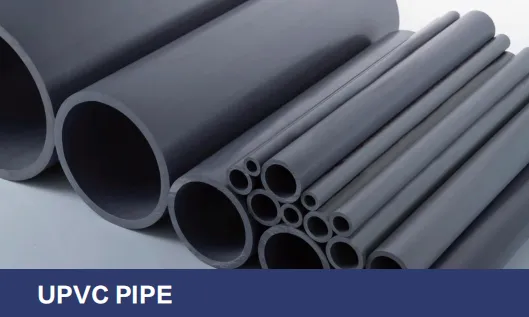
In the race to meet global climate targets, the construction industry stands at a critical crossroads. With buildings accounting for nearly 40% of global carbon emissions—from material production to construction and operation—the pressure to adopt sustainable practices has never been higher. Enter the 'Dual Carbon Goal' (carbon peaking and carbon neutrality), a mission that's reshaping how builders, architects, and suppliers approach every aspect of construction. At the heart of this shift? The materials we choose. Today, we're diving into one unsung hero of sustainable building: UPVC pipes. More than just a plumbing material, UPVC pipe solutions are emerging as a cornerstone for low-carbon construction. Let's explore why, and how they can align your projects with the Dual Carbon Goal.
First, let's ground ourselves in what the Dual Carbon Goal really means for builders. Carbon peaking requires reducing emissions to a maximum point before 2030, while carbon neutrality demands balancing emitted and removed carbon by 2060. For the construction sector, this means rethinking everything from design to demolition. But here's the thing: materials are where the biggest wins lie. Traditional building materials—think steel, concrete, and even older piping options—come with heavy carbon footprints. Mining raw materials, energy-intensive manufacturing, and transportation all add up, making it tough for projects to stay green.
Take piping, for example. For decades, builders relied on metal (like galvanized steel) or concrete pipes. While durable, steel production alone accounts for 7% of global CO₂ emissions. Concrete? Its manufacturing releases CO₂ as a byproduct. Then there's maintenance: metal pipes corrode, concrete cracks, and leaks become inevitable. Repairs mean more materials, more labor, and more emissions. It's a cycle that's at odds with the Dual Carbon Goal. So, what's the alternative?
Enter UPVC (Unplasticized Polyvinyl Chloride) pipes. If you're a residential building materials supplier or a contractor, you've likely heard of UPVC—but you might not realize just how much it aligns with sustainability goals. Unlike its plastic cousins (like PVC, which can contain plasticizers), UPVC is rigid, strong, and free of harmful additives. But what really sets it apart is its low-carbon profile.
Let's break down the benefits. First, manufacturing UPVC pipes uses significantly less energy than metal or concrete. The process involves polymerizing vinyl chloride monomer (VCM) into PVC resin, then blending it with stabilizers and processing aids—all with a fraction of the emissions of steel smelting or concrete curing. Second, UPVC is lightweight. A 3-meter UPVC pipe weighs 1/5th of a steel pipe of the same size, slashing transportation emissions. Third, it's incredibly durable. Resistant to corrosion, chemicals, and UV rays, UPVC pipes can last 50+ years with minimal maintenance. No more frequent replacements, no more wasted materials.
Here's the kicker: UPVC is recyclable. At the end of its lifespan, it can be ground down and repurposed into new pipes or other products, reducing landfill waste. For builders aiming for circular economy principles, this is a game-changer.
Curious how UPVC stacks up against other common piping materials? Let's look at the numbers. The table below compares carbon emissions, durability, and practicality—key factors for any builder eyeing the Dual Carbon Goal.
| Material | Carbon Footprint (kg CO₂/meter) | Expected Lifespan (years) | Maintenance Needs | Transport Emissions (Relative) |
|---|---|---|---|---|
| UPVC Pipe | 0.8–1.2 | 50+ | Minimal (no corrosion, leaks rare) | Low (lightweight) |
| Galvanized Steel | 6.5–8.0 | 20–30 | High (prone to rust, needs coating) | High (heavy) |
| Concrete | 4.0–5.5 | 30–40 | Moderate (cracks, root intrusion) | Very High (extremely heavy) |
| Copper | 10.0–12.0 | 40–50 | Moderate (corrosion in acidic soils) | High (dense material) |
The data speaks for itself: UPVC pipe solutions offer up to 90% lower carbon emissions than steel or copper, with a lifespan that outlasts most traditional options. For a builder, this translates to projects that are not only greener but also more cost-effective long-term. Fewer repairs, lower transport costs, and alignment with the Dual Carbon Goal? It's a win-win.
UPVC isn't a one-trick pony. As a UPVC pipe supplier will tell you, these pipes come in a range of solutions tailored to different needs. Let's break down the most common applications—ones that every builder should have on their radar:
Every residential or commercial building needs a reliable drainage system, and PVC DWV (Drainage, Waste, Vent) pipes are the gold standard. Designed to handle wastewater and ventilation, these UPVC-based solutions are smooth, non-clogging, and resistant to the acids and alkalis found in sewage. Unlike metal, they won't rust or corrode, meaning fewer blockages and leaks. For a residential building materials supplier, offering PVC DWV pipe solutions is a no-brainer—it's a product that checks both sustainability and functionality boxes.
UPVC pressure pipes are built to withstand high water pressure, making them ideal for potable water supply in residential complexes, schools, and hospitals. Their smooth inner surface reduces friction, allowing water to flow more efficiently—cutting down on energy use for pumps. And because they don't leach chemicals, they're safe for drinking water. For projects aiming for green building certifications (like LEED or GB/T 50378), UPVC pressure pipes are a go-to.
Beyond buildings, UPVC pipes shine in industrial settings. Chemical plants, for example, use them to transport corrosive fluids, while farmers rely on them for irrigation. Their resistance to weather and chemicals makes them a durable, low-maintenance choice—again, reducing the need for frequent replacements and lowering emissions over time.
Not all UPVC pipe solutions are created equal. To truly leverage UPVC's sustainability benefits, you need a supplier that prioritizes quality and green practices. Here's what to ask when vetting a UPVC pipe supplier:
Let's put this into practice. Imagine you're a contractor building a 50-unit residential complex in Riyadh. Your client wants to meet the Dual Carbon Goal targets, so you need to slash emissions wherever possible. Traditional metal pipes were your first thought, but then you consult a residential building materials supplier specializing in UPVC pipe solutions. Here's what happens:
By switching to UPVC pressure pipes for water supply and PVC DWV pipes for drainage, you reduce the project's piping carbon footprint by 75% compared to steel. The lightweight pipes cut transport emissions by 60% (no need for heavy trucks). Installation is faster, too—UPVC pipes are easy to cut and join, saving labor hours. Five years later, the property manager reports zero leaks or corrosion issues, avoiding costly repairs. The project earns a green building certification, boosting its market value. And because the UPVC pipes are recyclable, the complex is already planning for end-of-life repurposing. That's the power of UPVC in action.
UPVC pipe solutions aren't standing still. Suppliers are investing in R&D to make them even greener. One trend? Bio-based UPVC, where a portion of the polymer is derived from renewable resources like plant-based starches. Another? Improved recycling technologies that allow UPVC to be recycled more efficiently, closing the loop on waste. For builders, this means even more opportunities to align with the Dual Carbon Goal in the years ahead.
The Dual Carbon Goal isn't just a policy—it's a call to action for builders to build smarter, more sustainably. And in that mission, materials like UPVC pipes are more than tools—they're partners. With low carbon footprints, long lifespans, and versatile applications, UPVC pipe solutions check every box: sustainability, durability, cost-effectiveness. Whether you're a residential building materials supplier, a contractor, or an architect, choosing UPVC isn't just good for the planet—it's good for your projects, your clients, and your bottom line.
So, the next time you're planning a project, ask your UPVC pipe supplier: "How can your solutions help us meet the Dual Carbon Goal?" The answer might surprise you—and set your project apart as a leader in green construction.
Recommend Products












