
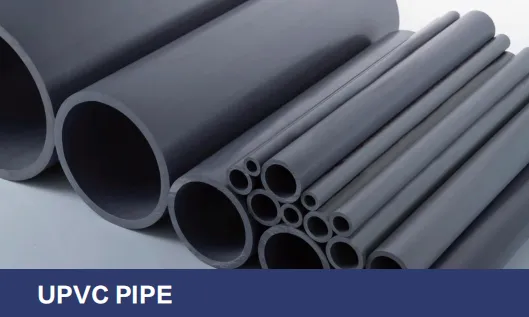
Walk through any growing city today, and you'll see the pulse of urbanization in action—cranes lifting steel beams into the sky, workers laying foundations for new neighborhoods, and engineers designing systems that will keep millions connected to water, sanitation, and essential services. By 2050, the United Nations predicts that 68% of the global population will live in cities, a leap from 55% today. This rapid growth isn't just about buildings; it's about building sustainably . Cities can't thrive if their infrastructure—especially the invisible networks like water pipes and drainage systems—crumbles under pressure. That's where materials like UPVC (Unplasticized Polyvinyl Chloride) come into play. More than just a piping material, UPVC pipe solutions are quietly shaping the future of sustainable urban development, aligning with global goals to create cities that are resilient, resource-efficient, and equitable for all.
When we talk about sustainable cities, our minds often jump to solar panels, green roofs, or electric buses. But the truth is, a city's sustainability hinges on its ability to deliver clean water and remove wastewater efficiently. Leaky pipes waste billions of liters of water annually—water that could otherwise support communities, agriculture, or ecosystems. Old, corroded pipes can contaminate drinking water, leading to public health crises. And frequent replacements of failing infrastructure drain municipal budgets, diverting funds from schools, hospitals, and parks. For cities in fast-growing regions like Saudi Arabia, where urban expansion is outpacing traditional infrastructure, choosing the right piping material isn't just a practical decision; it's a commitment to long-term sustainability.
This is where UPVC pipe solutions stand out. Unlike traditional materials such as galvanized steel or cast iron, UPVC is engineered for durability, efficiency, and environmental responsibility. As a leading upvc pipe supplier will tell you, these pipes are designed to last 50 years or more with minimal maintenance—outperforming many alternatives by decades. Their lightweight nature reduces transportation and installation costs, while their smooth inner surfaces minimize water flow resistance, lowering energy use for pumping systems. For urban planners, this translates to infrastructure that can grow with the city without constant overhauls, keeping operational costs low and resource waste to a minimum.
To understand why UPVC is becoming the material of choice for sustainable urban projects, let's break down its key benefits:
1. Longevity that Reduces Waste
Traditional metal pipes often corrode, rust, or degrade within 20–30 years, requiring expensive replacements. UPVC, however, is resistant to chemicals, rust, and biological growth. In fact, studies show UPVC pipes can last 50–100 years when properly installed—meaning a single installation can serve multiple generations. This longevity directly cuts down on material waste, as fewer replacements mean less plastic, metal, or concrete ending up in landfills. For a residential building developer, this isn't just about saving money; it's about building a legacy of sustainability.
2. Energy Efficiency from Production to Installation
Producing UPVC requires significantly less energy than manufacturing metal pipes. For example, making copper pipes emits 14 times more carbon dioxide than UPVC, according to the World Chlorine Council. On construction sites, UPVC's lightweight design (about 1/5 the weight of steel) reduces the need for heavy machinery during installation, lowering fuel consumption and carbon emissions. Even better, its flexibility allows for longer, continuous lengths, minimizing joints—and potential leak points—further boosting efficiency.
3. Recyclability and the Circular Economy
One of the biggest myths about UPVC is that it's "non-recyclable." In reality, modern recycling facilities can process UPVC pipes into new products, such as drainage components or construction materials. Many
upvc pipe suppliers
now offer take-back programs, ensuring end-of-life pipes are recycled rather than discarded. This aligns with the circular economy model, where resources are kept in use for as long as possible, reducing reliance on virgin materials.
4. Hygiene and Public Health
For hospitals, schools, and residential buildings, water quality is non-negotiable. UPVC's smooth, non-porous surface prevents the buildup of bacteria, algae, or rust, ensuring water remains clean from treatment plant to tap. Unlike metal pipes, which can leach lead or other contaminants over time, UPVC is inert and meets strict health standards, including those set by the World Health Organization (WHO) for drinking water contact.
The United Nations' 17 Sustainable Development Goals (SDGs) provide a blueprint for creating a better world by 2030. Among these, three goals stand out as particularly relevant to UPVC pipe solutions:
SDG 6: Clean Water and Sanitation for All
Over 2 billion people worldwide lack access to safely managed drinking water, and 4.2 billion lack safely managed sanitation, according to UN-Water. UPVC pipe solutions directly address this by delivering water with minimal loss—thanks to leak-resistant joints—and ensuring wastewater is transported away from communities without contamination. In Riyadh, for example, a recent project upgraded 50-year-old cast iron pipes with UPVC, reducing water loss by 40% and providing reliable access to clean water for 10,000 households. For
upvc pipe suppliers
operating in regions like Saudi Arabia, this isn't just business; it's a contribution to SDG 6's target of universal access to water and sanitation by 2030.
SDG 11: Sustainable Cities and Communities
SDG 11 calls for cities to be "inclusive, safe, resilient, and sustainable." A key part of this is building infrastructure that can withstand climate change and population growth. UPVC pipes excel here: they're resistant to extreme temperatures (from desert heat to freezing winters), UV radiation, and chemical corrosion, making them ideal for harsh urban environments. In coastal cities, where saltwater can degrade metal pipes, UPVC's durability ensures sewage systems remain operational during storms, preventing flooding and waterborne diseases. For municipal engineers, this means fewer disruptions, lower maintenance costs, and cities that can adapt to change.
SDG 12: Responsible Consumption and Production
SDG 12 aims to "ensure sustainable consumption and production patterns" by reducing waste and improving resource efficiency. UPVC's long lifespan, recyclability, and low energy footprint check all these boxes. For instance, a UPVC pipe installed today will outlive most building components, reducing the need for frequent replacements. When it does reach the end of its life, it can be recycled into new products, closing the loop on resource use. Even during production, UPVC generates less waste than metal pipes, as it can be cut to precise lengths with minimal offcuts.
While UPVC is widely known for water supply, another critical application lies in drainage, waste, and vent (DWV) systems. Every building—whether a home, hospital, or shopping mall—needs a reliable way to remove wastewater and vent sewer gases. Traditional DWV systems often relied on cast iron or clay pipes, which are heavy, brittle, and prone to cracking. Today, pvc dwv pipe solutions are revolutionizing this space, offering a lightweight, cost-effective, and sustainable alternative.
A pvc dwv pipe supplier will explain that these pipes are designed with precision: their smooth inner walls allow wastewater to flow freely, reducing clogs and the need for frequent snaking or repairs. In high-rise buildings, where vertical drainage requires strong, leak-proof pipes, PVC DWV's rigidity and jointing systems (like solvent cement or rubber gaskets) ensure no leaks, even under pressure. For hospitals, this is critical—imagine a surgical ward where a DWV pipe leak could disrupt operations or spread infections. PVC DWV pipes eliminate that risk, keeping spaces clean and functional.
What's more, PVC DWV pipes are fire-resistant, meeting safety standards for commercial and residential buildings. This is especially important in schools and hospitals, where fire safety is non-negotiable. By choosing PVC DWV, developers aren't just meeting codes; they're prioritizing the safety of the people who use these spaces every day.
To truly understand UPVC's impact, let's compare it to common alternatives. The table below breaks down key factors like lifespan, cost, and environmental impact:
| Material | Typical Lifespan | Installation Cost (per meter) | Annual Maintenance Cost | Carbon Footprint (kg CO₂ per meter) | Best For |
|---|---|---|---|---|---|
| UPVC | 50–100 years | $5–$10 | Low ($0.50–$1/year) | 1.2 | Residential, commercial, water supply, DWV |
| Galvanized Steel | 20–50 years | $15–$25 | High ($5–$10/year, due to corrosion) | 8.5 | Industrial applications (high pressure) |
| Copper | 50–70 years | $20–$35 | Medium ($2–$5/year, risk of pinhole leaks) | 17.0 | High-end residential (aesthetic appeal) |
| Cast Iron | 50–80 years | $18–$30 | High ($4–$8/year, prone to rust and blockages) | 12.0 | Historic buildings (heritage preservation) |
The data speaks for itself: UPVC offers the longest lifespan at a fraction of the cost of copper or steel, with minimal maintenance and a significantly lower carbon footprint. For cities on tight budgets, this is a game-changer—freeing up funds to invest in other sustainable initiatives like public transit or green spaces.
Sustainable urban development isn't just about the material; it's about the partnerships that bring projects to life. A reliable upvc pipe supplier does more than deliver products—they provide expertise, technical support, and customized solutions that meet a project's unique needs. In Saudi Arabia, for example, a plastic valve system supplier might collaborate with a upvc pipe supplier to design a water distribution network that reduces pressure loss, saving energy and water. Similarly, a pvc dwv pipe supplier could work with architects to create a DWV system that fits into tight spaces in high-rise buildings, ensuring both functionality and design flexibility.
The best suppliers also prioritize sustainability in their own operations. This might mean using renewable energy in manufacturing, reducing packaging waste, or offering recycling programs for old pipes. For developers and municipal governments, choosing suppliers with strong sustainability credentials isn't just a "nice-to-have"—it's a way to ensure the entire project aligns with SDG goals, from production to installation.
While UPVC is a leader in sustainable piping, challenges remain. One common concern is public perception: some still associate PVC with plastic waste, unaware of modern recycling efforts. To address this, suppliers and industry groups are investing in education, sharing data on UPVC's recyclability and long-term sustainability. Innovations are also driving progress: new UPVC blends are even more durable, with some formulations designed to last 100+ years. Others are adding antimicrobial properties, making pipes ideal for healthcare settings where infection control is critical.
Looking ahead, UPVC pipe solutions will play a key role in "smart cities"—urban environments where technology optimizes resource use. Imagine a water network where UPVC pipes are fitted with sensors that detect leaks in real time, alerting authorities before water is wasted. Or a DWV system that uses AI to predict clogs, reducing maintenance calls and disruptions. These innovations, paired with UPVC's inherent durability, will make cities more efficient and resilient than ever before.
Sustainable urban development isn't a distant dream; it's happening now, one pipe at a time. UPVC pipe solutions—paired with PVC DWV systems and reliable partners like upvc pipe suppliers and pvc dwv pipe suppliers —are proving that infrastructure can be both functional and responsible. They're helping cities meet SDG targets, reduce carbon footprints, and ensure that every resident has access to the water and sanitation they need to thrive.
As we build the cities of 2050, let's not overlook the materials that make it all possible. UPVC isn't just a pipe; it's a promise—a commitment to creating places where people, planet, and progress coexist. And in that promise lies the future of sustainable urban development.
Recommend Products












