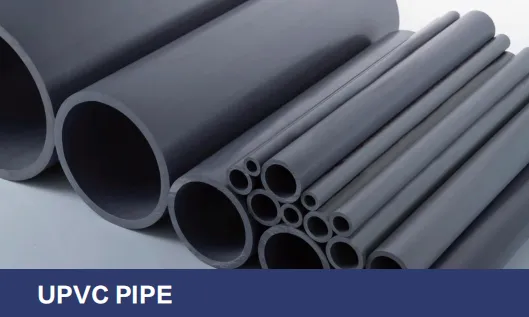
So, how do UPVC pipes and smart plumbing systems work together? The answer lies in UPVC's unique properties, which make it the perfect partner for digital technology. Let's break down the key reasons why this integration is not just possible, but seamless.
First, UPVC's smooth inner surface is a boon for sensor accuracy. Unlike metal pipes, which can develop rough patches or corrosion over time, UPVC maintains a consistent, smooth interior. This means sensors placed inside the pipes can accurately measure flow rates, pressure, and temperature without interference from debris or rust. For example, a flow sensor in a UPVC water line will give more reliable data than one in a corroded steel pipe, ensuring that smart systems make accurate decisions—like shutting off a valve when a leak is detected.
Second, UPVC's chemical resistance is crucial for protecting smart components. Many smart plumbing devices, like sensors and electronic valves, are sensitive to harsh chemicals. UPVC pipes don't react with water, cleaning agents, or other substances that might flow through the system, ensuring that these devices remain functional for years. This is especially important in commercial settings, where pipes may carry industrial fluids or cleaning chemicals.
Durability is another factor. Smart plumbing systems are an investment, and you don't want to replace pipes every few years, forcing you to reinstall sensors and valves. UPVC pipes have a lifespan of 50+ years, matching the longevity of most smart components. This means once you integrate the two, you can enjoy a low-maintenance system for decades—a major selling point for both residential and commercial building materials suppliers.
Perhaps most importantly, UPVC's compatibility with modern installation techniques simplifies integration. Many one-stop architectural solution providers now offer pre-fabricated UPVC pipe systems with built-in ports for sensors and valves, eliminating the need for custom modifications. This not only speeds up installation but also reduces the risk of errors, ensuring that the smart system works as intended from day one.