
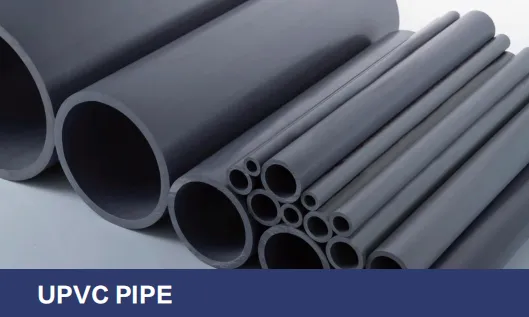
In an era where climate change dominates global conversations, the construction industry stands at a critical crossroads. For decades, buildings have been significant contributors to carbon emissions—accounting for nearly 40% of global energy-related CO₂ output, according to the United Nations Environment Programme. Enter net-zero construction: a transformative approach that aims to balance the carbon emitted by a building over its lifetime with the carbon it saves or removes from the atmosphere. It's not just about energy efficiency in operation; it's about rethinking every step, from design to demolition, and choosing materials that align with sustainability goals.
But achieving net-zero isn't a simple feat. Builders, architects, and project managers face a daunting challenge: how to select materials that are durable, cost-effective, and environmentally responsible. From structural steel to insulation, every choice impacts a project's carbon footprint. One material, however, has quietly emerged as a unsung hero in this journey: unplasticized polyvinyl chloride, better known as UPVC. Specifically, UPVC pipe solutions have become a cornerstone in net-zero projects, offering a rare blend of performance, longevity, and sustainability that's hard to match. Let's dive into why these pipes are more than just a construction staple—they're a key to building a greener future.
Before we explore UPVC pipes, it's important to understand the stakes of material selection in net-zero construction. Traditional building materials often come with hidden environmental costs. For example, copper pipes, while durable, require intensive mining and processing, releasing significant carbon emissions. Galvanized steel, another common choice, is prone to corrosion, leading to frequent replacements and more waste. Even newer alternatives like PPR (polypropylene random copolymer) and PEX (cross-linked polyethylene) have their trade-offs, from higher production energy to limited recyclability.
Sustainability isn't just about reducing carbon during manufacturing, though. It's also about longevity. A pipe that needs replacement every 10 years adds to landfill waste and the carbon cost of production and installation. Then there are safety considerations—especially in critical spaces like hospitals and schools, where fire resistance and hygiene are non-negotiable. This is where Class A fireproof materials, such as CPL inorganic boards, come into play, but we'll circle back to that later. For now, the question remains: can a piping material meet all these demands—durability, low carbon footprint, safety, and affordability?
Let's start with the basics. UPVC is a rigid, chemically resistant plastic derived from polyvinyl chloride (PVC) but without the plasticizers that make regular PVC flexible. Those plasticizers, while useful for products like shower curtains, can leach over time and reduce durability—two things you definitely don't want in a pipe. By removing them, UPVC becomes incredibly strong, rigid, and resistant to wear and tear. But what truly sets it apart is its sustainability profile, which has made it a go-to for forward-thinking upvc pipe suppliers and project managers alike.
To understand why UPVC pipe solutions are integral to net-zero construction, let's break down their most compelling features:
Let's zoom in on the environmental benefits, as these are the heart of why UPVC pipe solutions matter for net-zero construction. The carbon footprint of a building material is measured from "cradle to grave"—from raw material extraction to disposal. UPVC shines at every stage.
Starting with production: UPVC is made from salt (sodium chloride) and petroleum, but the energy required to process these materials is far lower than for metals. For example, producing a meter of 100mm UPVC pipe emits approximately 1.2 kg of CO₂, compared to 2.8 kg for copper and 2.1 kg for steel. That's a massive difference, especially in large-scale projects where miles of piping are needed.
Then there's installation. Because UPVC pipes are lightweight, transporting them to the site uses less fuel. Their smooth inner surface also reduces water flow resistance, which means pumps use less energy—a small but cumulative saving that adds up over the building's lifetime. And when the day finally comes to replace them (decades down the line), UPVC can be recycled into new pipes or other products, diverting waste from landfills.
To truly appreciate UPVC's value, let's compare it to other common piping materials. Below is a table breaking down how UPVC stacks up against PPR and PEX pipes—two popular alternatives—across key sustainability and performance metrics. This is the kind of data an upvc pipe supplier might share with clients to demonstrate why their solutions are the right choice.
| Metric | UPVC Pipes | PPR Pipes (from PPR pipe and fitting suppliers) | PEX Pipes |
|---|---|---|---|
| Carbon Footprint (Production) | Low (1.2 kg CO₂/meter for 100mm pipe) | Moderate (1.8 kg CO₂/meter) | High (2.3 kg CO₂/meter) |
| Lifespan | 50+ years | 40–50 years | 30–40 years |
| Recyclability | Fully recyclable; can be repurposed | Limited recycling options | Not widely recyclable |
| Corrosion Resistance | Excellent (resists chemicals, saltwater) | Good, but less resistant to strong acids | Good, but prone to UV degradation |
| Installation Cost | Low (lightweight, easy to cut/join) | Moderate (requires heat fusion tools) | High (specialized crimping tools) |
| Fire Resistance | Self-extinguishing; low flame spread | Melts at high temperatures | Melts at lower temperatures than UPVC |
The table tells a clear story: UPVC leads in carbon footprint, lifespan, recyclability, and cost-effectiveness. For net-zero projects, these are decisive factors. But it's not just about the pipes themselves—it's about the ecosystem of solutions that a reputable upvc pipe supplier can offer. Many suppliers don't stop at pipes; they provide a full range of sustainable building materials, from Class A fireproof CPL inorganic boards for hospitals and schools to bamboo charcoal board wall panels for healthier indoor air quality. This "one-stop" approach simplifies the process for builders, ensuring that every material in the project aligns with sustainability goals.
UPVC pipe solutions aren't a one-trick pony. Their versatility makes them suitable for nearly every construction sector, from residential homes to sprawling commercial complexes. Let's explore some key applications:
In homes, UPVC pipes are used for everything from potable water lines to drain-waste-vent (DWV) systems. Their smooth inner walls reduce water pressure loss, meaning less energy is needed to pump water—ideal for net-zero homes aiming to minimize energy use. Homeowners also benefit from lower maintenance costs: no rust stains, no corrosion, and no need for expensive repairs. Plus, UPVC's chemical resistance ensures that drinking water remains pure, with no leaching of harmful substances—a critical factor for health.
Commercial buildings, from offices to shopping malls, require piping systems that can handle high demand without compromising on sustainability. UPVC's ability to withstand high pressure makes it perfect for large-scale water distribution. Its lightweight nature also speeds up installation, reducing labor costs and project timelines—two factors that appeal to developers working within tight budgets. And because commercial projects often aim for green certifications like LEED or BREEAM, using UPVC pipes can earn valuable points for sustainability.
If there's one sector where safety and sustainability are equally critical, it's healthcare and education. Hospitals need materials that are easy to clean, resistant to bacteria, and fire-safe. Schools require durability to withstand heavy use and low maintenance to keep operating costs down. Here, UPVC pipes shine alongside complementary products like Class A fireproof CPL inorganic boards. These boards, supplied by specialized class a fireproof cpl inorganic board for hospital and school suppliers, offer superior fire resistance, while UPVC pipes ensure reliable, hygienic water and waste management. Together, they create environments that are both safe and sustainable—a win-win for architects and facility managers.
None of this would matter, of course, without reliable upvc pipe suppliers. A supplier isn't just someone who delivers pipes—it's a partner in sustainability. The best suppliers understand the nuances of net-zero construction and can provide tailored solutions, from custom pipe sizes to expert advice on installation. They also prioritize quality control, ensuring that every pipe meets international standards for safety and performance. For example, a reputable supplier might offer UPVC pipes certified by organizations like the International Organization for Standardization (ISO) or the American Society for Testing and Materials (ASTM), giving project managers peace of mind.
But the most forward-thinking suppliers go beyond UPVC. They recognize that net-zero construction requires a holistic approach, which is why they offer a range of complementary products: from bamboo charcoal wall panels that improve indoor air quality to MCM flexible cladding stone for energy-efficient facades. This "one-stop" model simplifies the procurement process, reduces the carbon footprint of multiple deliveries, and ensures that all materials work together seamlessly.
To put this into perspective, let's look at a real-world example: a net-zero school built in Riyadh, Saudi Arabia, in 2024. The project aimed to achieve LEED Platinum certification, requiring strict adherence to sustainability standards. The architects needed a piping system that could handle the region's high temperatures, resist corrosion from the arid soil, and align with the school's zero-waste goals.
After evaluating options, the team chose UPVC pipes supplied by a local upvc pipe supplier with a track record in sustainable projects. The supplier not only provided the pipes but also offered technical support, helping optimize the layout to minimize material waste. They also recommended pairing the pipes with Class A fireproof CPL inorganic boards for the walls, ensuring the school met safety codes while reducing its carbon footprint.
The results? The school's piping system is projected to last 60 years with minimal maintenance. The use of UPVC reduced the project's carbon emissions by an estimated 35% compared to using steel pipes. And because the supplier offered a one-stop solution, the project saved 15% on procurement costs. Today, the school serves as a model for net-zero construction in the region, proving that sustainability and performance can go hand in hand.
As net-zero construction becomes the norm, UPVC pipe solutions are evolving to meet even higher standards. One emerging trend is the development of bio-based UPVC, which replaces some petroleum-derived components with plant-based materials, further reducing the carbon footprint. Another innovation is improved insulation properties, making UPVC pipes even more energy-efficient for hot water systems.
Suppliers are also investing in circular economy models, offering take-back programs for old UPVC pipes to ensure they're recycled rather than landfilled. This closed-loop approach aligns with the principles of net-zero, where nothing goes to waste. Additionally, digital tools like 3D modeling are helping suppliers and builders design more efficient piping layouts, minimizing material use and installation time.
Net-zero construction isn't a distant dream; it's a pressing necessity. And while much attention is paid to solar panels, green roofs, and energy-efficient windows, the unsung heroes often lie beneath the surface—like the pipes that carry water, heat, and waste throughout a building. UPVC pipe solutions have proven themselves to be more than just a practical choice; they're a sustainable one. With their durability, low carbon footprint, recyclability, and versatility, they address the core challenges of modern construction.
But UPVC pipes don't work in isolation. They're part of a broader ecosystem of sustainable materials, supported by suppliers who understand the importance of offering comprehensive solutions—from Class A fireproof boards to bamboo charcoal panels. By choosing the right upvc pipe supplier and embracing these materials, builders and architects can take a significant step toward achieving net-zero goals.
As we look to the future, one thing is clear: the buildings of tomorrow will be defined by their ability to coexist with the planet. And in that future, UPVC pipes will continue to play a vital role—quietly, reliably, and sustainably—laying the groundwork for a greener world.
Recommend Products












