
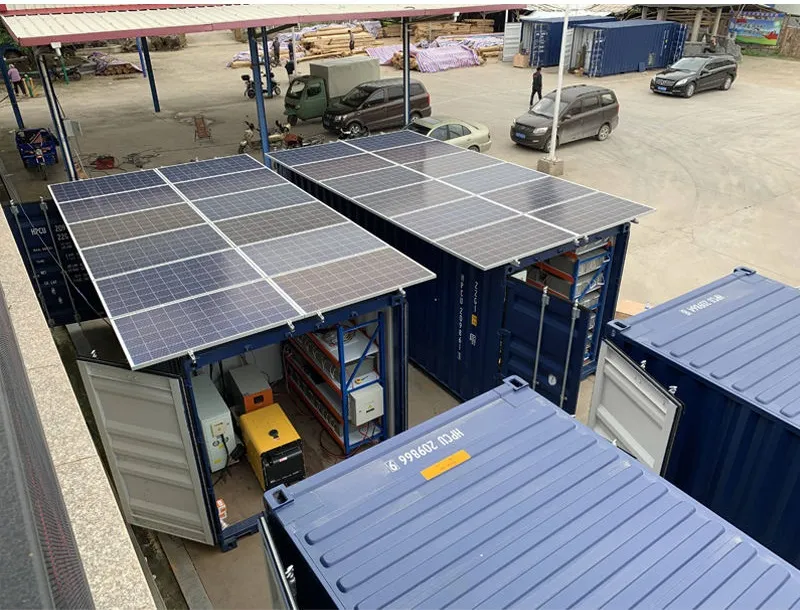
Exporting solar panels to Russia? Buckle up – the journey just got smoother with the latest EAC certification updates. As global demand for distributed solar power systems surges, Russia's energy market has become a prime destination for renewable technology exporters. But here's the catch: without proper Eurasian Conformity (EAC) certification, your solar panels won't make it past customs, no matter how efficient they are.
This comprehensive guide walks you through the updated 2024 regulations, combining official requirements with practical industry insights from top certification bodies. We'll transform those complex technical requirements into actionable steps you can implement immediately.
Did You Know? Russia has pledged to generate 4.5% of its energy from renewable sources by 2024, creating a $53 billion market – but only certified products get to play in this arena.
Think of EAC certification as your golden ticket into the lucrative Eurasian Economic union (EAEU) market, which includes Russia, Belarus, Kazakhstan, Armenia, and Kyrgyzstan. This isn't about filling paperwork; it's about:
A Russian solar farm manager recently put it this way: "We don't gamble with uncertified panels – one mid-winter failure could mean weeks without power in remote communities."
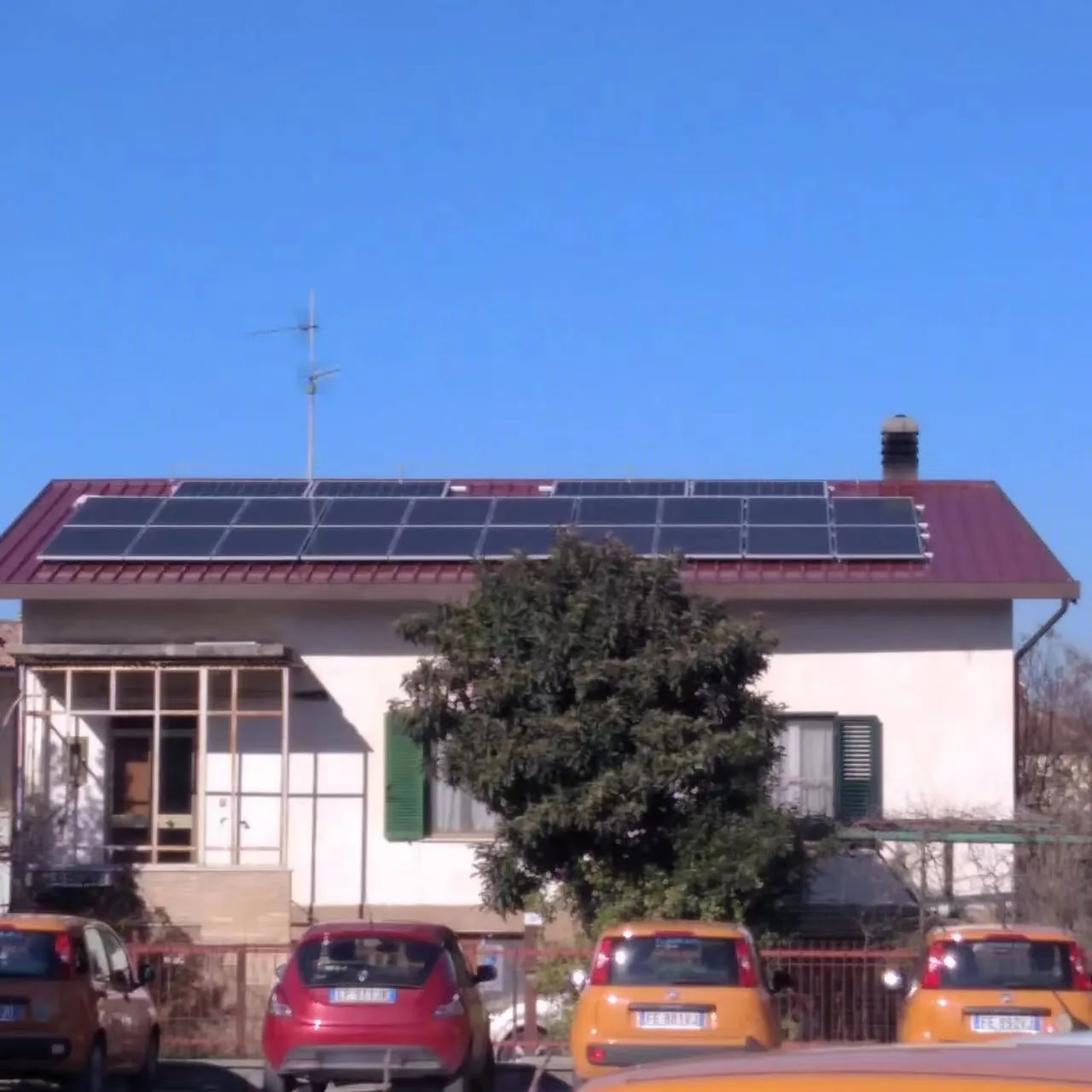
Your first critical decision is determining whether your solar panels need a Certificate of Conformity (CoC) or can operate under a Declaration of Conformity (DoC). The difference isn't trivial:
| Feature | Certificate of Conformity (CoC) | Declaration of Conformity (DoC) |
|---|---|---|
| Applicability | High-risk products - industrial/commercial solar systems | Low/medium risk - residential solar panels under 10kW |
| Testing Requirements | Mandatory lab testing in EAEU-accredited facilities | Manufacturer-conducted tests |
| Audit Process | On-site production audits (every 18 months) | Document review only |
| Validity Period | Up to 5 years | 1-3 years maximum |
Recent Shift: Since March 2023, all ground-mounted solar farms require CoC regardless of size due to grid security concerns.
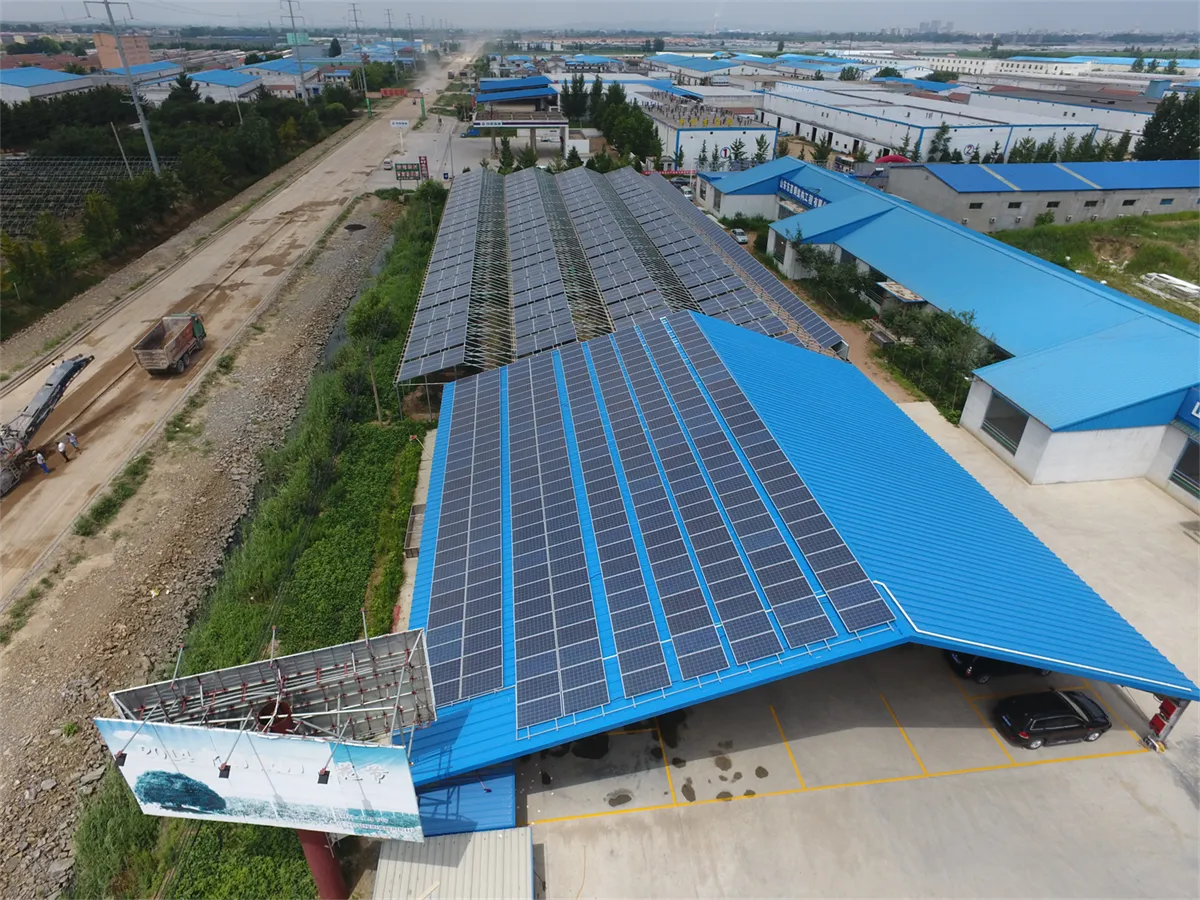
Forget memorizing all TR CU standards – focus on these crucial four that govern 92% of solar panel certifications:
The certification body "SolarCert RU" recently shared an insider tip: "Test early for TR 020 compliance – electromagnetic interference causes 60% of first-time failures."
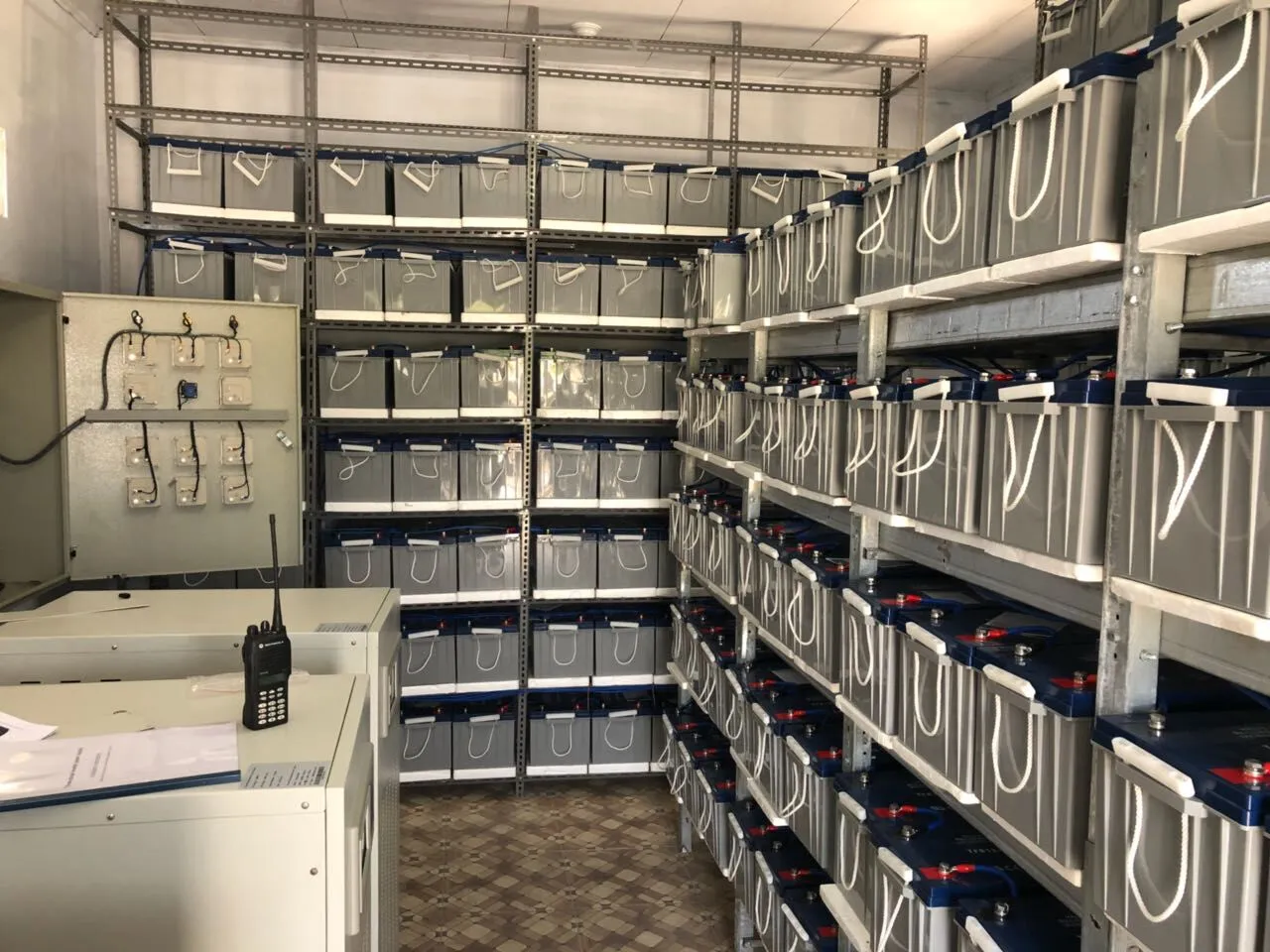
Follow this battle-tested timeline to avoid costly delays:
After reviewing 47 rejected applications last quarter, certification bodies report these top avoidable mistakes:
Failure Point #1: Missing Cyrillic labeling on junction boxes. "English-only specs trigger automatic rejections since December 2022."
Smart Solution: Implement laser engraving of mandatory Russian safety warnings during production.
Failure Point #2: Inadequate low-temperature (-40°C) performance testing. "Laboratories now require simulated ice load tests on frames."
Smart Solution: Pre-test at independent labs before official submissions.
Total certification expenses typically range between $12,000-$35,000 USD depending on panel complexity:
| Cost Component | Typical Range | 2024 Changes |
|---|---|---|
| Technical Documentation | $3,000-$6,000 | +18% due to enhanced translation requirements |
| Laboratory Testing | $7,000-$15,000 | New frost durability protocol added (+$2,100) |
| Certification Body Fees | $2,000-$8,000 | Audit fees standardized across EAEU |
| Post-Certification Compliance | $500-$2,000/year | Annual inspection now mandatory |
Getting certified is half the journey – staying compliant demands vigilance:
A solar executive from Kazakhstan shared: "We learned the hard way that changing encapsulant material voided our certification – 3 months of lost sales taught us to document everything."
Russia's renewable energy transformation won't wait for hesitant exporters. By mastering the updated EAC certification process, you're not just complying with regulations – you're demonstrating commitment to a market poised for explosive growth.
The most successful solar exporters aren't those with the cheapest panels, but those who approach certification strategically. As industry veteran Elena Petrova notes: "Certification is your first product demonstration – do it well, and Russian buyers will trust your technology implicitly."
With solar installations in Southern Russia growing at 200% annually, the opportunity outweighs the paperwork. Transform certification compliance from a barrier into your competitive advantage, and let the Russian sun power your business growth for years to come.
Recommend Products












