
Cutting through the confusion to reveal what really drives costs in the solar energy revolution
Have you ever wondered why your neighbor's solar installation cost 30% less than yours? Or why quotes from different installers vary so wildly? You're not alone. Understanding solar pricing can feel like deciphering hieroglyphics. But today, we're pulling back the curtain on the complex world of solar economics. Forget dense technical jargon - we're having a real conversation about what makes solar panels affordable or astronomically expensive.
First, let's acknowledge the elephant in the room: solar pricing isn't straightforward. It's a cocktail of materials, technology, regulations, and market forces. Remember when flat-screen TVs first appeared? Prices seemed random until you understood panel technology, import tariffs, and brand premiums. Solar's in that same phase now. But by the end of this guide, you'll speak solar pricing like a pro.
Solar panels aren't just glass and metal - they're sophisticated sandwiches of materials. The silicon heart (making up 60% of costs) sees price swings like cryptocurrency. When polysilicon shortages hit, panel costs spike 20% overnight. Then there's silver paste connecting cells - 8% of panel value uses this precious metal. Mining strikes or electronics demand directly impact your installation quote.
That sleek black panel? Its efficiency comes at a price. Monocrystalline panels cost 15-20% more than polycrystalline due to pure silicon use. Thin-film options sacrifice efficiency for flexibility. New players like perovskite promise cheaper production but aren't scale-ready. Consider this: paying 10% more for panels might mean needing 25% fewer on your roof - math that changes your payback period.
Ever notice solar brands tout "German engineering" or "American-made"? There's a reason. Labor costs in Germany vs Malaysia create 12-18% price gaps. Automation levels matter too - fully robotic plants slice labor costs significantly. Location-wise, Chinese manufacturers dominate global production. When we evaluate leading china solar panel manufacturer operations, their vertical integration (controlling everything from silicon to finished panels) delivers 15% savings versus fragmented competitors.
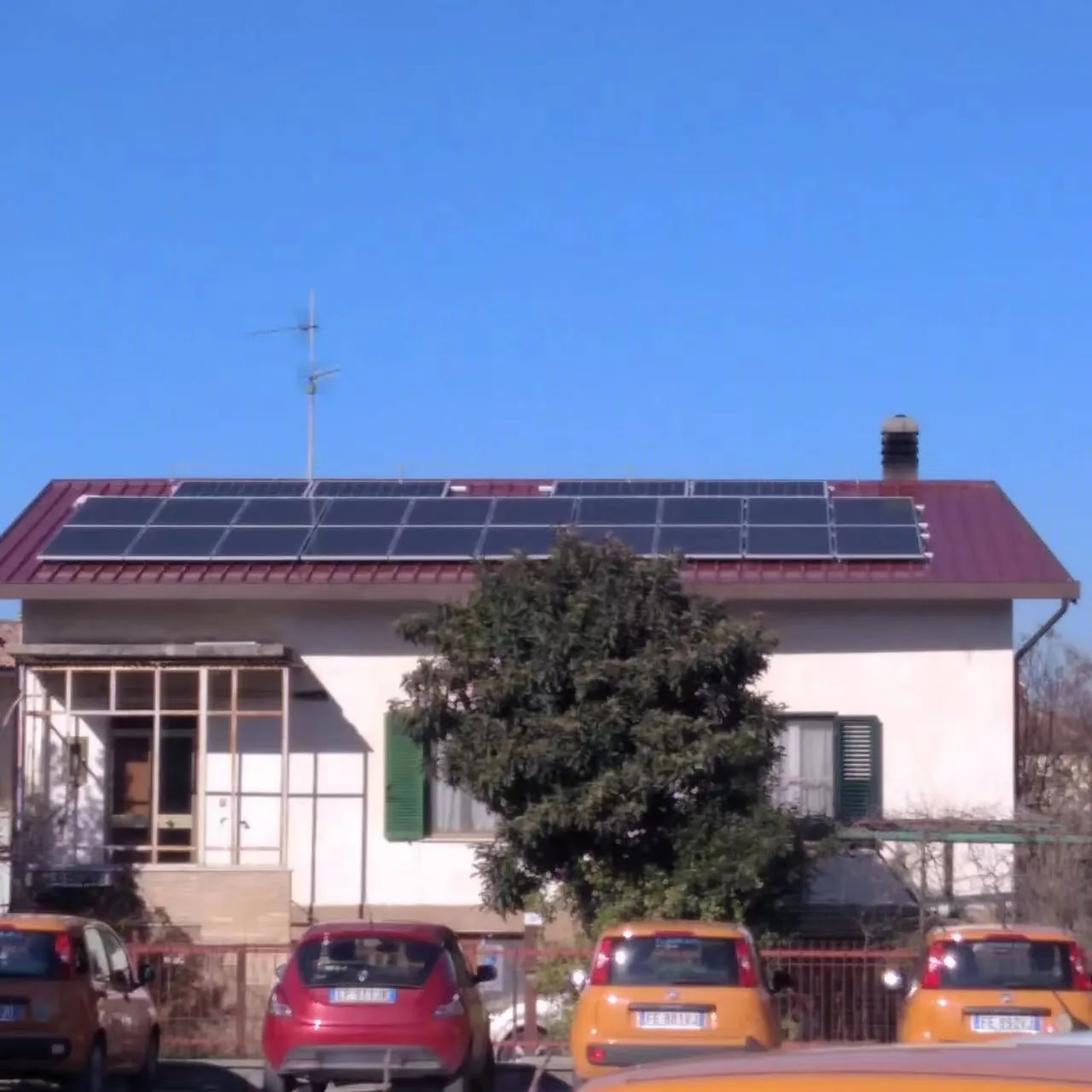
Your roof isn't just a roof to installers. South-facing? Great. Steep pitch? Costs rise 15%. Tile roof needing special mounts? That's extra. Add complex electrical upgrades or long conduit runs, and installation can eclipse panel costs. One installer told me: "A simple suburban install might take 6 hours; an old Victorian with slate roof? Two days minimum."
Government policies are solar's weather vane. When the US extended tax credits through 2035, demand surged overnight. Some states offer sales tax exemptions stacking with federal incentives. But beware: tariffs on imported panels added 18-25% overnight. Pro tip: installers build upcoming policy changes into quotes months ahead. Ask "Are you pricing in the scheduled tariff increase?"
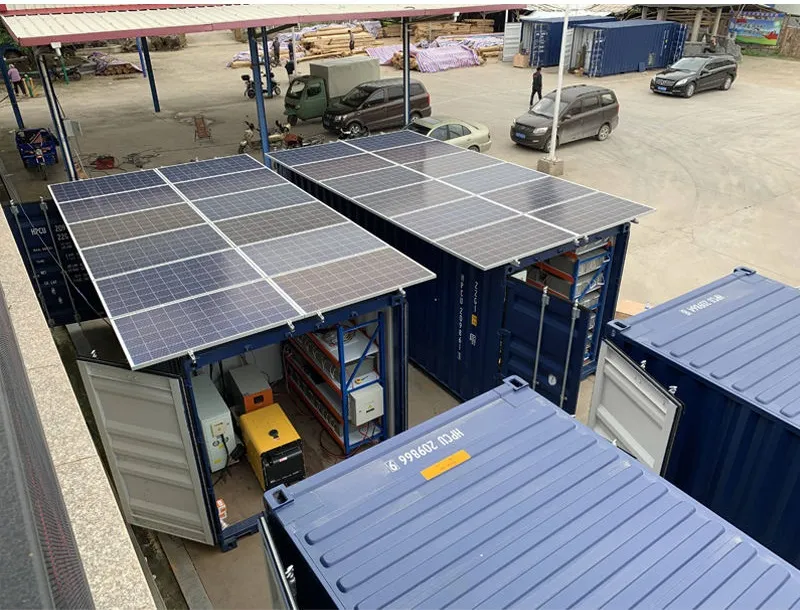
A single container ship delay in Shanghai impacts Kansas installations. During peak shortages, shipping costs ballooned from $3,000 to $15,000 per container. Local shortages create wild price disparities - Arizona installers might pay 17% less than Maine ones based on warehouse proximity. The best time to buy? Industry veterans swear by Q1 when inventory piles up after winter slowdowns.
Higher efficiency means fewer panels, less racking, smaller inverters - a cascade of savings. But premium efficiency comes at a price point. Residential panels averaging 19-21% efficiency hit the sweet spot today. That 23% efficient panel? Unless you're space-constrained, the 40% price premium rarely justifies it. The payback math must include total system economics.
Solar pricing isn't static - it's a living ecosystem reacting to material costs, tech breakthroughs, and global currents. Remember that installer quotes reflect all seven factors simultaneously. Armed with this knowledge, you can now spot when a "too good to be true" quote means cutting corners versus genuine innovation. When weighing options, ask specific questions: "What grade of silicon do these panels use?" or "Is this shipping container stuck in port pricing built in?" With solar becoming mainstream, transparency finally outshines industry obscurity.
Recommend Products












