
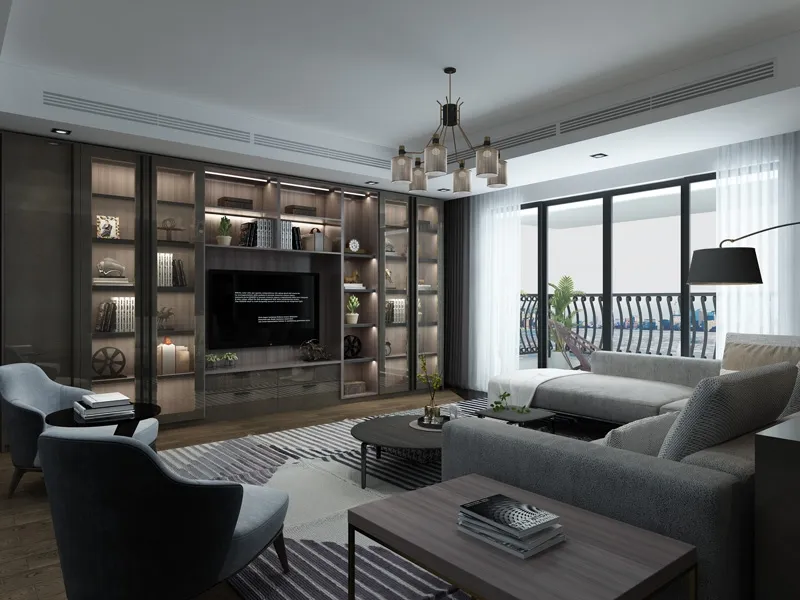
Let's pull back the curtain on what really goes into creating those stunning TV cabinets that become the centerpiece of your living space. We're talking about more than just slapping some wood together – this is a journey where craftsmanship meets engineering, where custom furniture becomes functional art. Just like unveiling a masterpiece, we'll reveal each careful step of transforming raw materials into your entertainment command center.
You wouldn't build a house on sand, right? Same goes for TV cabinets. The material selection isn't just about looks – it's the DNA of your furniture's lifespan. Solid hardwoods like oak or walnut bring warmth and durability, while engineered options like MDF offer stability without warping. Veneers? They're the chameleons of the cabinet world, giving you exotic looks affordably.
But here's what they don't tell you in showrooms: material choice directly impacts how your cabinet ages. Ever noticed how some pieces develop hairline cracks while others stay pristine? That's thermal expansion playing its tricks. Quality manufacturers solve this by:
Imagine a master chef precisely dicing ingredients. That's what happens in the cutting bay. CNC machines sculpt materials with laser-like accuracy while technicians oversee tolerances tighter than a watch mechanism. This stage decides whether drawers will glide like silk or stick like glue months later.
Forget nails and glue – modern joinery is woodworking wizardry. Dovetail joints lock together like intertwined fingers. Mortise-and-tenon connections create hidden strength where you least expect it. This is where cabinet skeletons gain their backbone to support years of heavy AV equipment.
The moment you run your hand over that smooth surface – that's where the real magic happens. Finishing isn't paint; it's chemistry. Stains penetrate deep while catalytic lacquers build protective armor coats. The best shops use up to seven application stages:
While robots handle measurements down to microns, human inspectors bring something no machine can replicate – intuition. They'll spot grain patterns that might crack under stress or detect finishing inconsistencies invisible to scanners. This double-layer verification catches flaws before they leave the factory.
Testing goes beyond the obvious too. Cabinets face simulated humidity cycles, weight stress tests beyond rated capacity, and even repeated open-close cycles on doors and drawers. Because nothing should interrupt your movie night binge!
The truth behind eco-friendly claims? Check for water-based finishes instead of solvent-laden alternatives. Ask about FSC-certified woods ensuring responsible forestry. Leading manufacturers now implement:
That beautiful cabinet should leave minimal footprints – both literally and environmentally.
Today's 65" TV? Tomorrow's holographic projector. Smart manufacturers bake adaptability into designs through:
Adjustable shelves that reconfigure as your tech evolves
Hidden channels and access panels for inevitable upgrades
Convection-friendly designs preventing component overheating
The true test? When your cabinet outlasts multiple generations of electronics inside it.
That moment when protective coverings come off reveals months of craftsmanship. Notice how edges meet seamlessly? How drawers open with weighted precision? That's not accident – it's hundreds of controlled variables converging.
So next time you admire your entertainment center, remember the journey from raw lumber through temperature-controlled workshops to your living room. It's a testament to human ingenuity – creating functional beauty where electronics and life come together.
Recommend Products












