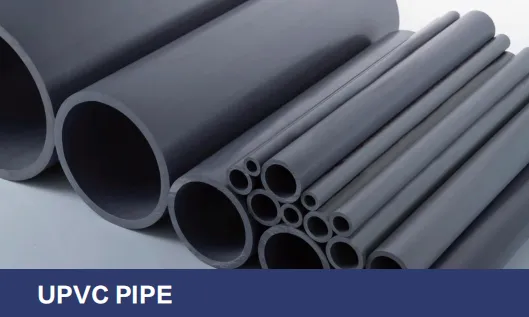
UPVC's versatility means it's used in a wide range of industries. Let's take a closer look at how different sectors benefit from UPVC pipe solutions:
Residential Buildings
In homes, UPVC pipes are the go-to choice for plumbing, drainage, and even ventilation. They're used for supplying cold and hot water (though for very high temperatures, some systems might pair UPVC with PEX or PPR pipes), as well as for carrying away sewage and rainwater. Homeowners appreciate their quiet operation—unlike metal pipes, which can rattle or make noise when water flows through them, UPVC pipes are relatively silent. Additionally, their lightweight design makes them easy to install in tight spaces, like behind walls or under floors.
Commercial and Public Spaces
Offices, malls, hotels, and airports rely on UPVC pipes for their plumbing and drainage needs. In large commercial buildings, where water demand is high, UPVC's durability and efficiency ensure consistent performance. For example, a hotel with hundreds of rooms needs a reliable piping system to handle showers, sinks, and laundry facilities—UPVC delivers this without frequent breakdowns. Public spaces like schools and hospitals also benefit from UPVC's hygiene and safety features, as mentioned earlier.
Industrial Settings
Factories and industrial plants use UPVC pipes to transport chemicals, acids, and other corrosive substances. Their chemical resistance makes them ideal for industries like pharmaceuticals, food processing, and wastewater treatment. For instance, a chemical plant might use large-diameter UPVC pipes to move cleaning agents or solvents without worrying about pipe degradation. UPVC is also used in cooling systems, where its heat resistance and smooth flow help maintain efficiency.
Agriculture and Irrigation
Farmers and agricultural businesses use UPVC pipes for irrigation systems. Their lightweight design makes them easy to install over large fields, and their durability withstands exposure to sunlight, rain, and soil. UPVC pipes also resist clogging, which is important for delivering water evenly to crops. In regions with limited water resources, the efficiency of UPVC irrigation systems helps conserve water by reducing leaks and ensuring every drop reaches the plants.
Municipal Infrastructure
Cities and towns depend on UPVC pipes for water supply and sewage networks. Municipal projects often require large-diameter pipes that can handle high pressure and heavy usage, and UPVC fits the bill. For example, a city's water treatment plant might use UPVC pipes to distribute clean water to neighborhoods, while sewage systems rely on UPVC's chemical resistance to handle waste. Municipalities also appreciate the low maintenance costs of UPVC, as it reduces the need for frequent repairs and replacements in public infrastructure.