
Walk into any modern building—whether it's the cozy apartment where you wake up, the bustling office where you work, or the state-of-the-art hospital where you receive care—and you'll find a hidden world working tirelessly behind the walls and under the floors: the piping network. These intricate systems carry clean water to your faucet, channel waste away from your home, and even distribute heating and cooling to keep spaces comfortable. But while pipes are the "veins" of this network, there's another component that often goes unnoticed, yet holds everything together: valves. And in today's construction landscape, plastic valve system solutions have emerged as the unsung heroes, transforming how we design, install, and maintain these critical systems.
In this article, we'll dive deep into the world of plastic valve system solutions, exploring their evolution, key components, and why they've become the go-to choice for engineers, contractors, and building owners alike. We'll also look at how they integrate with other essential elements like pipes and fittings, and why partnering with the right pipes fittings supplier and upvc pipe supplier can make all the difference in creating a reliable, long-lasting network.
Before we zoom in on valves, let's take a moment to appreciate the bigger picture: the piping network itself. Imagine a commercial high-rise without a way to supply water to its 50 floors, or a hospital that can't efficiently remove medical waste. These scenarios aren't just inconvenient—they're impossible. Piping networks are the lifeline of any structure, ensuring basic utilities flow where they're needed, when they're needed.
Traditionally, these networks relied heavily on metal pipes and valves—think cast iron, copper, or steel. While these materials served their purpose, they came with a host of challenges: they were heavy, prone to corrosion, expensive to install, and required frequent maintenance. As construction projects grew more complex and budgets tighter, the industry began searching for a better alternative. Enter plastic.
The shift from metal to plastic in piping systems didn't happen overnight. It was driven by a combination of technological advancements, cost pressures, and a growing focus on sustainability. In the 1960s and 70s, materials like PVC (polyvinyl chloride) and later UPVC (unplasticized PVC) started gaining traction for their lightweight, corrosion-resistant properties. By the 1990s, PPR (polypropylene random copolymer) pipes and fittings entered the scene, offering even better heat resistance and durability—making them ideal for hot water systems.
As plastic pipes became more popular, it only made sense to pair them with plastic valves. Early plastic valves were simple, but as demand grew, suppliers began developing more sophisticated designs, leading to the comprehensive plastic valve system solutions we see today. These solutions aren't just standalone products; they're integrated systems that include valves, pipes, and fittings, all engineered to work together seamlessly. This integration is where pipes fittings solutions come into play, ensuring that every component—from the smallest elbow to the largest valve—fits perfectly, reducing leaks and improving efficiency.
So, what exactly makes up a plastic valve system solution? At its core, it's a collection of components designed to control, regulate, and direct the flow of fluids (like water, gas, or chemicals) through a piping network. Let's break down the key parts:
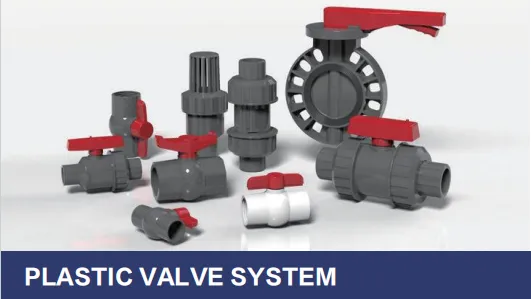
Valves are the control centers of the system. They can start or stop flow (like a gate valve), regulate pressure (like a pressure-reducing valve), or prevent backflow (like a check valve). In plastic valve system solutions, you'll find a variety of valve types, each tailored to specific needs:
Valves are only as good as the pipes they connect to. That's why plastic valve system solutions often include pipes made from materials like UPVC, PPR, or PE (polyethylene). For example, an upvc pipe supplier might offer pipes that are rigid, chemical-resistant, and perfect for cold water systems, while a ppr pipe and fitting supplier could provide flexible, heat-resistant options for hot water lines. The key is that these pipes are designed to work seamlessly with the valves, ensuring a tight, leak-free connection.
No piping network is a straight line—you need elbows to turn corners, tees to split flow, and couplings to connect pipes of different lengths. These are where pipes fittings solutions come in. Fittings are the unsung connectors that make the system adaptable to any building's layout. Plastic fittings, like their valve counterparts, are lightweight, easy to install, and resistant to corrosion, making them a natural fit for plastic valve systems.
You might be wondering: Why plastic? What makes it better than metal, which has been used for centuries? Let's take a closer look with a side-by-side comparison:
| Feature | Plastic Valve System Solutions | Traditional Metal Systems |
|---|---|---|
| Corrosion Resistance | Highly resistant to rust, chemicals, and mineral buildup | Prone to corrosion (especially in saltwater or acidic environments) |
| Weight | Lightweight (easy to transport and install without heavy equipment) | Heavy (requires more labor and machinery to handle) |
| Installation Time | Quick to install (often using solvent cement or push-fit connections) | Time-consuming (requires welding, threading, or soldering) |
| Cost | Lower upfront cost and reduced labor expenses | Higher material cost and higher installation labor costs |
| Maintenance | Low maintenance (no need for painting or anti-corrosion treatments) | High maintenance (regular inspections for rust, leaks, and corrosion) |
| Flexibility | Some plastics (like PPR) are flexible, reducing breakage from ground movement | Rigid, prone to cracking under stress or temperature changes |
As the table shows, plastic valve system solutions have a clear edge in most categories, especially when it comes to cost, installation, and long-term durability. But don't just take our word for it—let's look at how these benefits play out in real-world applications.
Plastic valve systems aren't a one-size-fits-all solution—they're versatile enough to excel in a wide range of industries. Let's explore some of the most common applications:
In homes, plastic valve systems are everywhere: from the main water line entering the house to the pipes feeding your kitchen sink, shower, and toilet. Their lightweight design makes them easy to install in tight spaces (like between wall studs), and their corrosion resistance ensures they'll last for decades without rusting or clogging. Plus, for homeowners on a budget, the lower cost of plastic valves and pipes (compared to copper) can make a big difference in renovation or new construction costs.
Commercial spaces like offices, malls, and hotels have even more complex piping needs—think multiple floors, high water pressure, and diverse uses (drinking water, HVAC, fire sprinklers). Plastic valve system solutions rise to the challenge here, offering reliable control over large volumes of water. For example, butterfly valves made from reinforced plastic can handle the high flow rates needed in hotel HVAC systems, while check valves ensure that fire sprinkler lines don't backflow into drinking water supplies.
Factories, chemical plants, and manufacturing facilities often deal with harsh fluids—acids, solvents, or wastewater—that would quickly corrode metal valves. Plastic valves, however, are chemical-resistant, making them ideal for these environments. UPVC valves, for instance, are commonly used in chemical processing plants to control the flow of corrosive liquids, while PE valves are favored in wastewater treatment for their durability and flexibility.
Hospitals and schools have unique requirements: strict hygiene standards, fire safety, and minimal maintenance downtime. Plastic valve systems deliver here too. For example, PPR pipes and valves are smooth on the inside, reducing the risk of bacterial buildup (critical for hospitals), and their heat resistance makes them safe for hot water systems in school kitchens. Plus, since plastic doesn't rust, there's no risk of iron or copper leaching into water supplies—an important consideration for facilities caring for children or patients.
Even the best plastic valve system solutions won't perform well if they're installed incorrectly. Here are some tips to ensure your system runs smoothly for years to come:
This can't be overstated. Working with a reputable plastic valve system solutions provider—one that also offers pipes fittings solutions and partners with trusted upvc pipe supplier or ppr pipe and fitting supplier—ensures you're getting high-quality, compatible components. Look for suppliers with certifications (like ISO) and a track record of serving your industry.
Plastic valves and pipes are easier to install than metal, but they still require care. For example:
While plastic systems are low-maintenance, they're not "set it and forget it." Inspect valves for leaks, check fittings for cracks, and ensure that moving parts (like ball valve handles) still operate smoothly. Catching small issues early can prevent costly repairs later.
Pro Tip: Many pipes fittings supplier and plastic valve system solutions providers offer training or installation guides for their products. Take advantage of these resources—they're designed to help you get the best performance from your system.
To truly understand the impact of plastic valve systems, let's look at a couple of real-world examples:
A large residential developer in Saudi Arabia was building a 500-unit apartment complex and needed a plumbing system that could withstand the region's hot, arid climate (and occasional sandstorms). They partnered with an upvc pipe supplier and a plastic valve system solutions provider to install a complete UPVC-based network, including ball valves, gate valves, and PPR hot water lines. The result? Installation time was cut by 30% compared to metal systems, and the developer saved over 20% on material and labor costs. Five years later, there have been zero leaks or corrosion issues reported by residents.
A new children's hospital in Southeast Asia required a plumbing system that was hygienic, easy to clean, and resistant to bacterial growth. The project team chose PPR pipes and plastic valve system solutions (including check valves and pressure-reducing valves) for the main water lines. The smooth interior of the PPR pipes and valves minimized bacterial buildup, and the system's chemical resistance meant it could handle regular cleaning with disinfectants. Today, the hospital's maintenance team reports that the system has required minimal repairs, allowing staff to focus on patient care rather than plumbing issues.
As technology advances, plastic valve system solutions are only going to get better. Here are a few trends to watch:
Imagine a valve that can send alerts to your phone if it detects a leak, or adjust flow automatically based on water usage patterns. That's the future of smart plastic valves, which are being integrated with IoT (Internet of Things) sensors to provide real-time monitoring and control. This will make piping networks more efficient, reduce water waste, and allow for predictive maintenance.
The construction industry is increasingly focused on sustainability, and plastic valve systems are no exception. Suppliers are developing valves and pipes made from recycled plastics or biodegradable materials, reducing their environmental footprint. Additionally, plastic's lightweight design reduces transportation emissions, making it a greener choice overall.
Every building is unique, and future plastic valve system solutions will offer more customization options. For example, 3D printing could allow suppliers to create custom valve shapes or fittings for unusual pipe layouts, making installations even more efficient.
From residential homes to industrial plants, plastic valve system solutions have proven themselves to be reliable, cost-effective, and versatile. They've come a long way from the early days of simple plastic pipes, evolving into comprehensive systems that integrate valves, pipes, and fittings into a seamless network. By partnering with the right pipes fittings supplier, upvc pipe supplier, or ppr pipe and fitting supplier, you can ensure your next project has a piping system that's built to last—one that's easy to install, low to maintain, and ready to adapt to the needs of tomorrow.
So the next time you turn on your faucet or flush your toilet, take a moment to appreciate the plastic valves working quietly behind the scenes. They may not be glamorous, but they're the unsung heroes keeping our buildings—and our lives—running smoothly.
Recommend Products












