


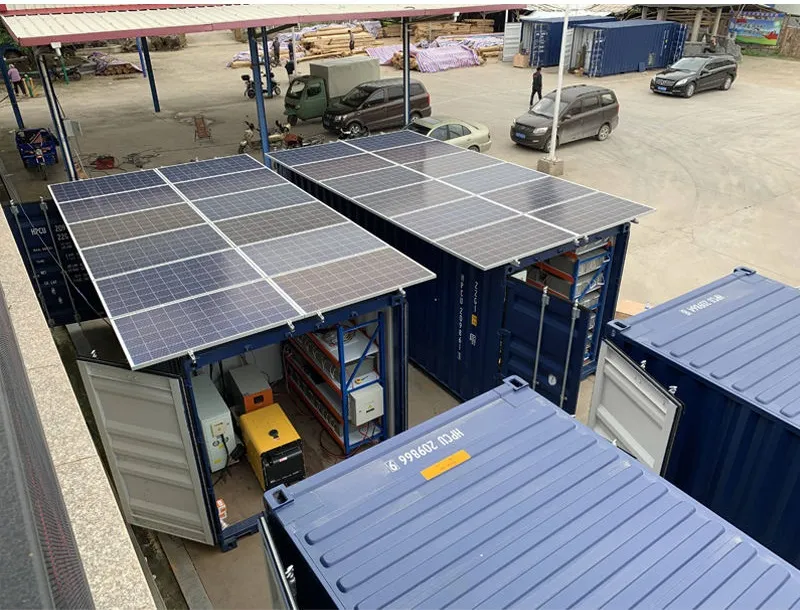
Ever wondered how those sleek panels on rooftops turn sunshine into electricity for our homes? Let's chat about the four key players that make this solar magic happen. We'll ditch the jargon and explore this amazing technology like neighbors chatting over coffee.
The Heartbeat: Solar Cells
Think of solar cells as sunshine translators. When photons (light particles) hit these silicon wafers, they knock electrons loose, creating a flow of electricity. The most common types you'll find:
- Monocrystalline - The "black panels" made from single silicon crystals, super efficient (20%+) but pricier
- Polycrystalline - Those blue panels that shimmer like granite, made from silicon fragments, affordable medium performer
- Thin-film - Lightweight bendable sheets great for unconventional spaces but less powerful
It's like choosing between espresso machines - each has pros and cons depending on your needs!
Remember how our phones keep getting thinner yet more powerful? That's exactly what's happening in solar cell tech. New designs use nanoscale textures to trap light like sandpaper holds water droplets. Manufacturers keep pushing efficiency boundaries - we're gaining about 0.5% more power conversion yearly!
The Guardian: Solar Glass
Ever notice solar panels withstand decades of hailstorms and blazing summers? Thank tempered glass! This material:
- Lets through over 91% of sunlight
- Weighs less than traditional glass yet withstands golf ball-sized hail
- Features anti-reflective coating - like invisible fingerprints reducing glare
- Carries self-cleaning properties in premium versions
Manufacturers often test durability by shooting ice balls at panels at highway speeds. That's commitment to protection!
Picture that durable Pyrex dish in your kitchen that survives tumbles from countertops - solar glass is similar tech but smarter. Some high-end versions even incorporate hydrophobic coatings that make rainwater slide off like mercury, taking dirt with it. Over 30 years, these panels will laugh at over 10,000 cleaning cycles nature provides for free!
The Shield: Back Sheet
Flip over any solar panel and you'll find the unsung hero - the back sheet. This tough polymer foil:
- Blocks moisture that could corrode electronics
- Provides electrical insulation - no fried squirrels here!
- Acts as UV filter for delicate components
- Comes in white (cooling effect) or black (sleek aesthetics)
Premium sheets use triple-layer sandwiches with Tedlar® material - essentially raincoats for electrical components.
Much like how your phone case protects the delicate internals, back sheets let solar panels handle rough environments. Picture Arizona's 120°F deserts or Minnesota's -40°F winters - the back sheet is why panels survive extreme temperature swings exceeding 160 degrees Fahrenheit! Without it, humidity would turn components into rusty museum pieces within months.
The Skeleton: Aluminum Frame
The sturdy perimeter holding everything together isn't just metal - it's engineering genius:
- Anodized aluminum resists corrosion - even near saltwater
- Precision angles direct water away from components
- Special grooves simplify installer grip without tools
- Weighs less than steel but stronger pound-for-pound
That textured finish isn't for looks - it prevents slip accidents during rooftop installations. Safety first!
Consider the aluminum frame as solar's unsung hero - like the bones in our body holding organs in place. A single panel frame withstands loads exceeding 5,400 Pascals - that's like having an adult hippo casually sit on it! Yet these lightweight structures fold flat for shipping, stacking hundreds per truck with barely any wasted space.
Teamwork Makes the Power Work
Here's how these pieces create electricity together:
- Sunlight penetrates the glass
- Photons energize cells creating DC current
- Back sheet protects circuitry from environment
- Frame anchors the system against winds
- Microinverters convert DC→AC household power
The wonder? This happens silently 365 days a year without moving parts!
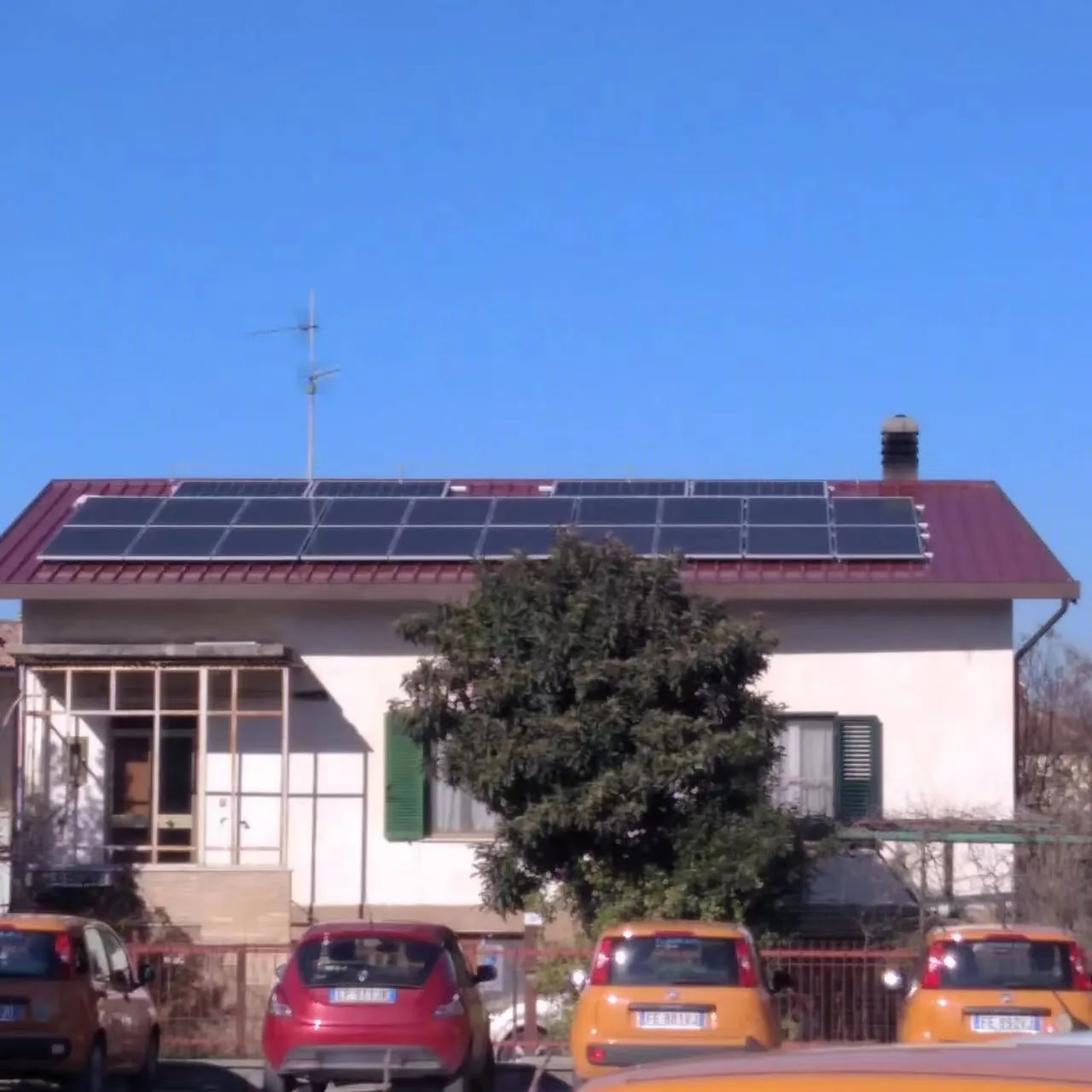
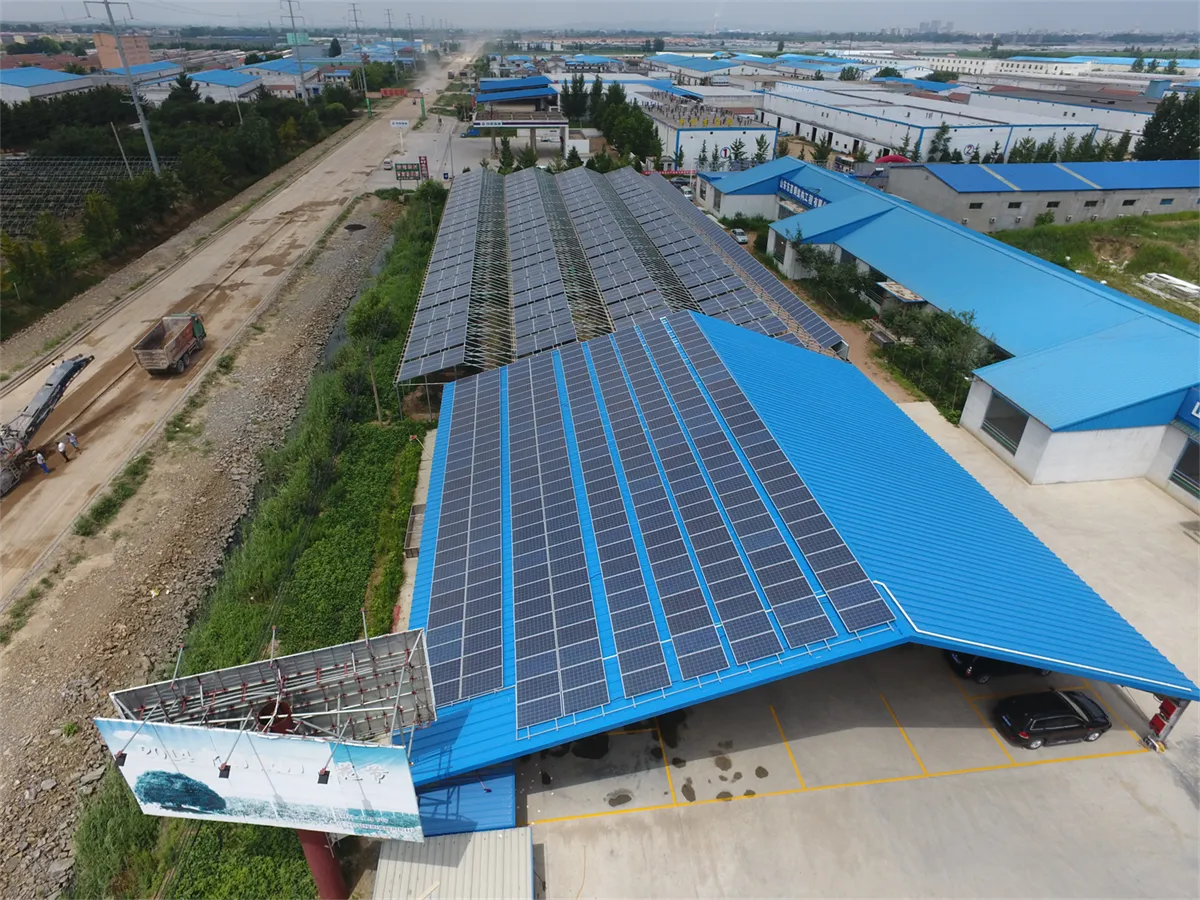
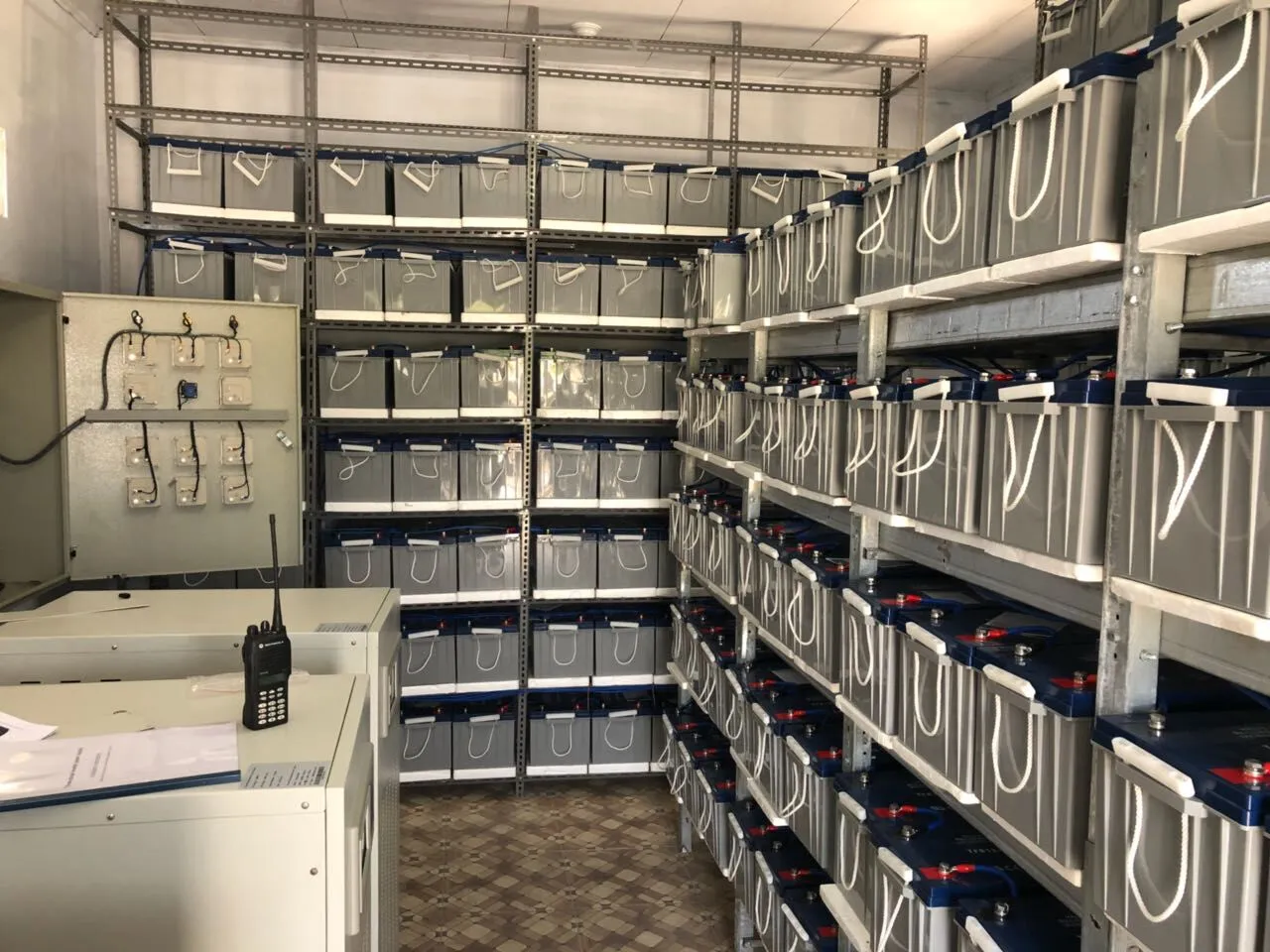
These components assemble into distributed solar power systems that transform how we live:
- Urban rooftops become mini power plants
- Desert farms host sprawling clean energy fields
- Electric vehicles recharge using portable versions
- Disaster zones get pop-up emergency power
It's not magic - just brilliant physics and material science working together!
What's Next in Solar Evolution?
The future shines bright with these emerging technologies:
- Perovskite cells - Ultra-thin printable panels at 1/5 current costs
- Solar skins - Customizable panel surfaces blending with rooftops
- Transparent solar - Turn every window into a power generator
- Smart panel networks - Systems that "talk" to adjust neighborhood loads
Understanding these four basic components reveals how everyday miracles happen on rooftops everywhere. From sand-turned-silicon cells to weatherproofing technologies developed for spacecraft - it's humanity's ingenuity captured in a quiet rectangle. Pretty amazing when you consider sunlight touching that panel might power the light you're reading by right now!










