
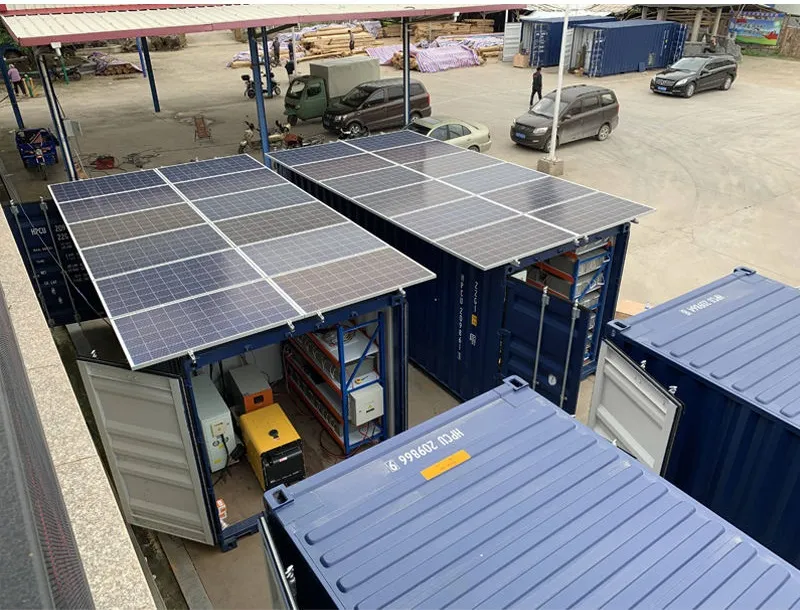
Picture this: You're part of a company that prides itself on environmental responsibility. When reviewing solar suppliers for your next project, you discover that not all solar panels are created equal in their environmental impact. How do you measure the true eco-cost behind that shiny surface? This is where carbon footprint certification steps in - it's like a nutrition label for your energy's environmental impact.
Let's get real about what certification means in practical terms. Imagine you're at the grocery store comparing two organic apples. Certification tells you which one traveled fewer miles, used less water, and generated minimal waste. Similarly for solar panels, certifications decode the manufacturing story behind each module.
Carbon accounting operates on a simple but profound principle: every production phase whispers an environmental story. From quartz mining to final assembly, each step imprints carbon residues like footprints on sand.
There's an emotional weight to knowing whether factory workers participated voluntarily in carbon tracking or viewed it as bureaucratic burden. Certifications that truly resonate account for this human dimension - not just cold data points.
Think about environmentally friendly building materials you've encountered. That same gut feeling of "this feels genuinely responsible"? That's what solar certifications aim to capture.
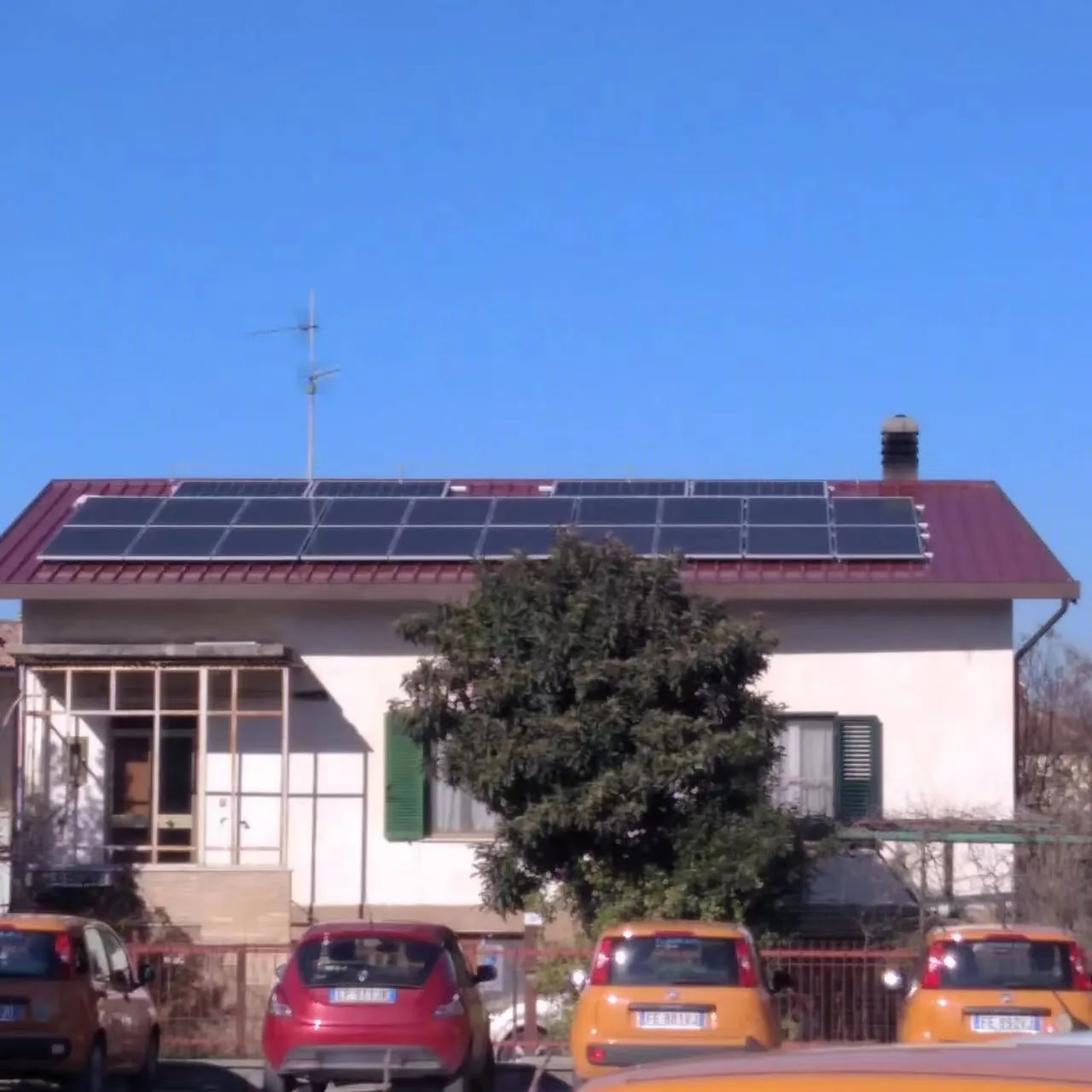
Procurement teams aren't just buying hardware anymore - they're investing in environmental narratives. When your company chooses solar partners with robust certification:
Procurement specialists often face impossible choices - budget constraints versus environmental goals. Certification bridges this gap. It's like finding solar options where the price tag includes ecological costs rather than hiding them.
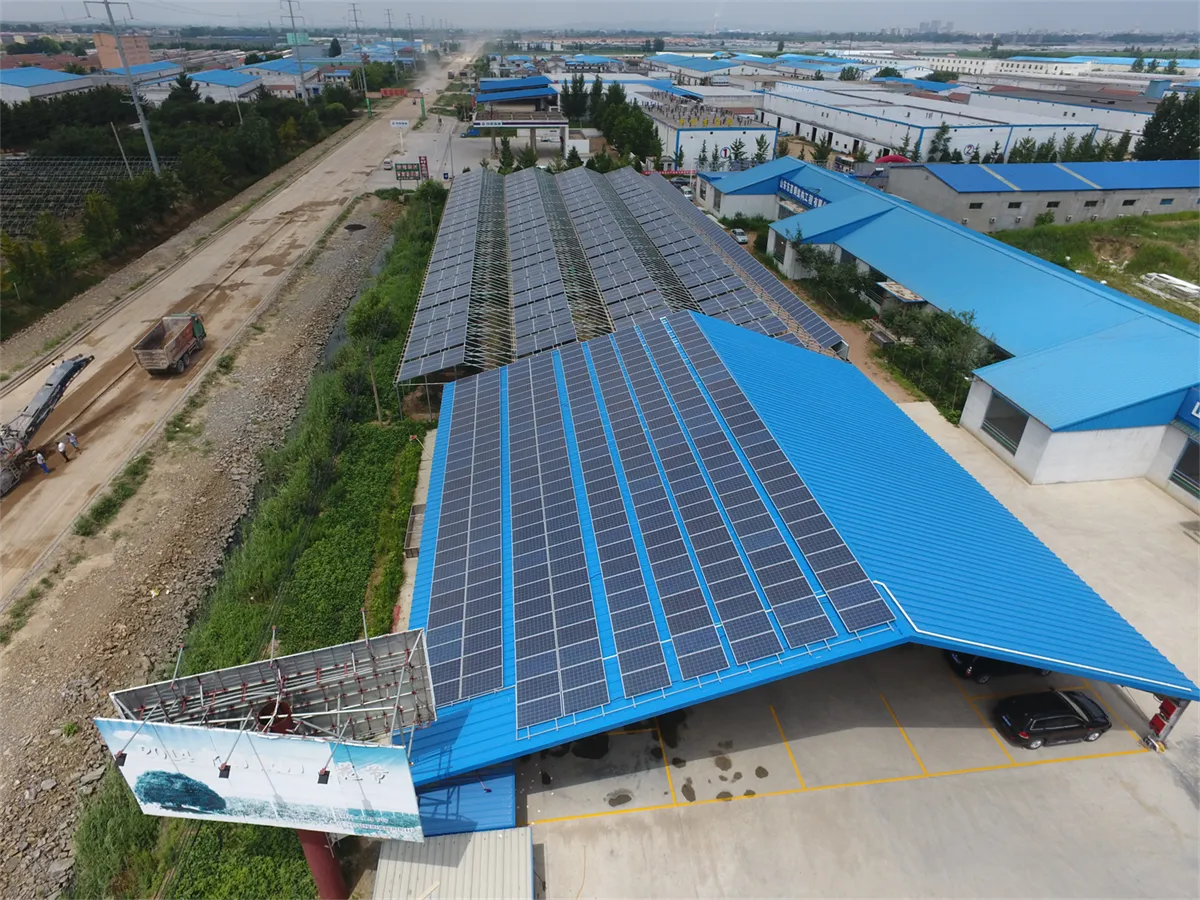
Imagine dissecting a solar panel's entire life journey like an autobiography. LCA certificates chronicle chapters:
Environmental Product Declarations function remarkably like food nutrition labels. At a glance, you see the carbon calories per watt. This intuitive presentation helps even non-technical teams make informed comparisons.
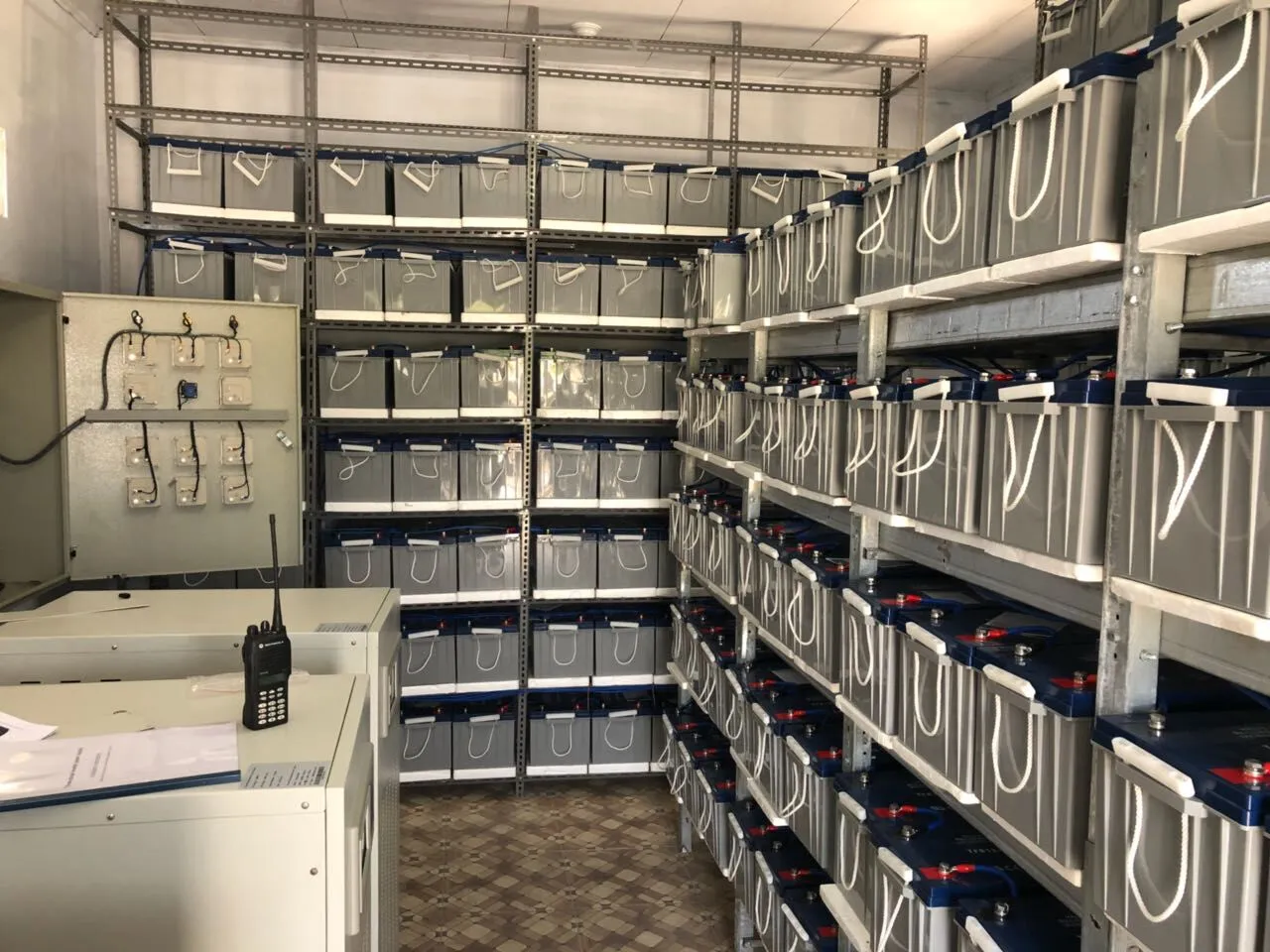
Adopting certified solar solutions feels rewarding but isn't without headaches. Installation teams might grumble about handling fragile eco-panels. Finance departments might question premium pricing. Overcoming these requires translating certification benefits into everyday language.
A project manager once confessed: "Showing our construction crew the factory's zero-waste certification cut careless handling incidents by half. They finally saw panels as something more than commodity hardware."
Certified solar doesn't mean maintenance-free. Monitoring systems must track actual performance against certified projections. This creates beautiful accountability - panels living up to their environmental promises year after year.
When procurement departments prioritize certified panels, magic happens:
It’s not just about having environmentally friendly building materials on your rooftops - it’s about reshaping the industry’s economic incentives.
Future certifications will likely expand beyond carbon to include water footprint, biodiversity impact, and ethical labor practices. The solar panels of tomorrow might carry holistic sustainability scores - environmental report cards covering multiple dimensions.
Imagine scanning a QR code on a panel to see its complete carbon journey updated in real-time. Blockchain-enabled certifications could make this happen, creating unprecedented supply chain transparency.
Green procurement isn't about jumping through certification hoops. It's about knowing that when sunlight hits your buildings, it powers operations fed by ethical, responsible choices. That confidence spreads through organizations like sunlight itself - warming company culture while powering measurable progress.
Recommend Products












