


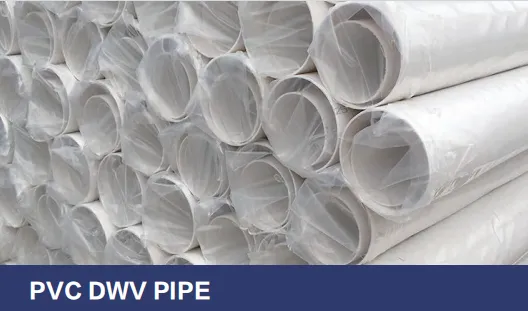
Every time you flush a toilet, run a sink, or take a shower, there's a silent network at work, ensuring waste and water flow away safely—out of sight, but never out of mind for those who build and maintain our homes, schools, hospitals, and offices. These are the drain, waste, and vent (DWV) pipes, the unsung heroes of plumbing systems. And among the materials used for DWV systems, polyvinyl chloride (PVC) stands out as a top choice for its durability, affordability, and reliability. But what makes a PVC DWV pipe truly trustworthy? The answer lies in the standards that govern its production—and the expertise of the PVC DWV pipe supplier behind it.
Whether you're a contractor working on a high-rise commercial project in Riyadh or a homeowner renovating a bathroom in Jeddah, understanding PVC DWV pipe standards isn't just about checking a box. It's about ensuring the safety of occupants, preventing costly leaks and water damage, and complying with local building codes. To shed light on this critical topic, we've consulted leading pipes fittings supplier experts and PVC DWV pipe solutions providers across Saudi Arabia and beyond. Their insights reveal why standards matter, how to spot quality products, and what to look for when choosing a supplier.










