

Before we unpack their features, let's start with the basics: What exactly are PU stone wall panels? At their core, these panels are crafted from polyurethane (PU), a versatile polymer known for its strength, flexibility, and ability to mimic other materials with striking accuracy. Unlike natural stone, which is quarried and cut, PU stone wall panels are engineered in controlled environments, allowing for consistent quality and customizable designs. This manufacturing process also means they can replicate the texture, color, and depth of natural stone—think rugged granite, smooth marble, or weathered limestone—without the weight, cost, or maintenance headaches of the real thing.
But PU stone wall panels aren't just about imitation. They're a purpose-built solution designed to address the limitations of traditional materials. Whether used indoors as an accent wall in a cozy bedroom or outdoors as cladding for a commercial facade, they bridge the gap between "looks good" and "works hard," making them a favorite among those who refuse to compromise on style or performance.
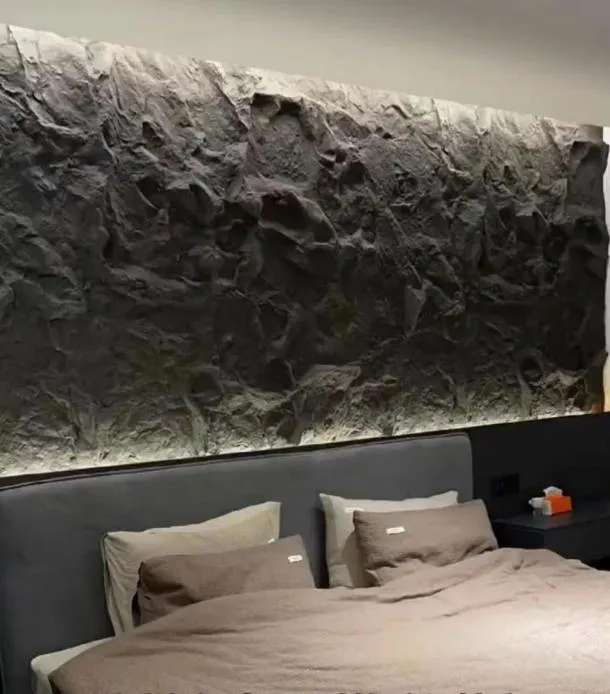
What sets PU stone wall panel solutions apart? Let's break down their most compelling features, each designed to solve common pain points in interior and exterior decoration.
One of the first things you'll notice about PU stone wall panels is their weight—or lack thereof. Compared to natural stone, which can weigh 15-30 pounds per square foot, PU panels tip the scales at a mere 2-5 pounds per square foot. This lightness is a game-changer for installation and structural safety. Imagine hanging a stone-like accent wall in your living room: with natural stone, you'd need heavy-duty brackets, reinforced walls, and a team of installers. With PU panels, a single person can handle the panels, and they can be mounted using simple adhesives or interlocking systems, reducing labor time and costs.
But don't let their lightness fool you—PU stone wall panels are surprisingly strong. The polyurethane core is reinforced with fibers, giving them tensile strength that resists cracks, dents, and impacts. This makes them ideal for high-traffic areas, like hallways or commercial lobbies, where durability is non-negotiable. Whether it's a rowdy kid kicking a wall or a stray garden tool hitting an outdoor panel, these panels hold their ground, maintaining their integrity for years.
At the end of the day, decoration materials are about creating a mood—and PU stone wall panels excel here. Thanks to advanced molding techniques, they don't just "look like" stone; they feel like it. Run your hand over a PU panel, and you'll feel the same ridges, pores, and variations that make natural stone so captivating. From the rough-hewn texture of a mountain slate to the smooth, polished finish of river rock, the options are nearly endless.
But their versatility doesn't stop at texture. PU stone wall panel solutions come in a spectrum of colors, from earthy neutrals like taupe and charcoal to bold hues like deep red or navy. Designers can even mix and match textures and colors to create custom patterns—think a herringbone layout for a modern kitchen backsplash or a random-stone arrangement for a rustic outdoor patio. And because they're engineered, there's no "natural variation" that leads to mismatched panels; every piece in a batch will look consistent, ensuring a cohesive design from start to finish.
This adaptability makes them perfect for any style, whether you're going for a minimalist, Scandinavian vibe indoors or a Mediterranean-inspired exterior. As one designer put it, "PU stone panels let me be bold without the risk. I can create a dramatic stone facade for a boutique hotel and then use the same material in a soft, neutral tone for a residential living room—all with the same reliability."
Exterior decoration materials face a tough crowd: rain, snow, UV rays, and extreme temperatures. Natural stone, while durable, can absorb moisture, leading to cracks in freezing weather, or fade under harsh sunlight. Wood panels warp, and vinyl can become brittle over time. PU stone wall panels, however, are built to withstand the elements.
Their closed-cell polyurethane structure is inherently water-resistant, meaning they won't absorb rain or snowmelt. This resistance to moisture also prevents mold, mildew, and rot—common issues with wood or natural stone that require regular sealing. UV stabilizers are added during manufacturing, so even after years of direct sunlight, the panels won't fade or discolor. And unlike some materials that expand or contract dramatically with temperature swings, PU panels have low thermal conductivity, keeping them stable in both sweltering summers and freezing winters.
This makes them an excellent choice for exterior applications: cladding for home facades, garden walls, pool surrounds, or outdoor kitchens. They hold up against salt spray in coastal areas and harsh winds in mountain regions, ensuring your exterior spaces look as good in year 10 as they did in year one.
When it comes to interior decoration materials, fire safety is non-negotiable—especially in commercial spaces like hotels, schools, or hospitals. While PU itself is not classified as "Class A fireproof" (unlike specialized materials such as Class A fireproof CPL inorganic boards), many PU stone wall panel solutions are treated with fire-retardant additives that meet strict safety standards, such as ASTM E84 or EN 13501. This means in the event of a fire, they resist ignition, slow the spread of flames, and produce low smoke, giving occupants more time to evacuate.
For interior use, this is critical. Imagine a restaurant with a PU stone accent wall: in the unlikely event of a kitchen fire, the panels won't fuel the flames, helping contain the damage. For exterior cladding, fire resistance adds an extra layer of protection for the building's structure, making them a responsible choice for both residential and commercial projects.
Let's be honest: no one wants to spend weeks installing wall panels or hours maintaining them. PU stone wall panel solutions shine here, too. Thanks to their lightweight design and interlocking edges, installation is a breeze compared to traditional materials. Most panels can be cut with standard tools (a utility knife or circular saw), allowing for precise fits around windows, doors, or outlets. They can be mounted using construction adhesive, screws, or a combination of both, depending on the surface (drywall, concrete, wood, etc.).
For DIY enthusiasts, this means a weekend project instead of a month-long renovation. For professionals, it translates to faster project turnaround and lower labor costs. One contractor noted, "We used to spend 3-4 days installing natural stone cladding on a small facade. With PU panels, we can do the same job in a day—and the client saves on labor without sacrificing quality."
Maintenance is just as simple. Unlike natural stone, which requires regular sealing to prevent staining, PU panels are non-porous. A quick wipe with a damp cloth is all it takes to remove dust, dirt, or spills. For outdoor panels, rain alone is often enough to keep them clean. No special cleaners, no sealing, no scrubbing—just long-lasting beauty with minimal effort.
Natural stone is stunning, but it comes with a steep price: quarrying, transportation, cutting, and installation all add up. PU stone wall panel solutions, by contrast, offer the same high-end look at a fraction of the cost. Let's break it down: material costs for PU panels are typically 30-50% less than natural stone. Add in lower shipping costs (thanks to their light weight) and reduced labor time (faster installation), and the total project cost drops significantly.
But the savings don't stop at installation. Over time, PU panels cost less to maintain—no sealing, no repairs for cracks or water damage—and their durability means they won't need replacement as often as materials like wood or vinyl. For budget-conscious homeowners or commercial projects with tight margins, this makes PU stone wall panel solutions an investment that pays off in the long run.
In an era where sustainability matters more than ever, PU stone wall panel solutions hold their own. Unlike natural stone, which requires mining and quarrying (processes that can disrupt ecosystems and consume large amounts of energy), PU panels are manufactured with minimal environmental impact. Many suppliers use recycled materials in their production, and the panels themselves are often recyclable at the end of their lifespan.
Additionally, their lightweight design reduces carbon emissions during transportation, as more panels can be shipped per load. And because they require no toxic sealants or cleaners for maintenance, they contribute to healthier indoor air quality—a big plus for interior decoration materials. For eco-conscious designers and homeowners, this means creating beautiful spaces without compromising on sustainability goals.
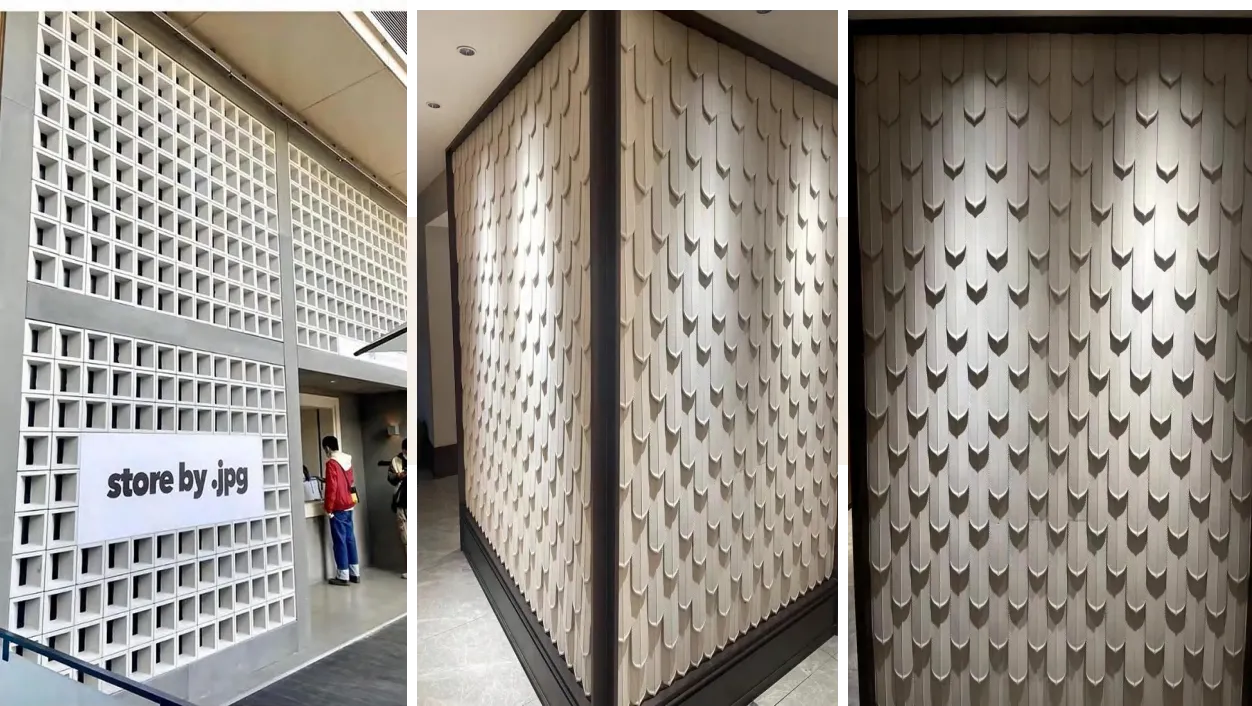
To truly appreciate PU stone wall panel solutions, it helps to see how they stack up against other popular materials. Let's compare them to natural stone, wood, and WPC (wood-plastic composite) panels in key areas:
| Feature | PU Stone Wall Panels | Natural Stone | Wood Panels | WPC Panels |
|---|---|---|---|---|
| Weight (per sq. ft.) | 2-5 lbs | 15-30 lbs | 4-8 lbs | 5-7 lbs |
| Installation Time | Fast (1-2 days for avg. wall) | Slow (3-5 days for avg. wall) | Moderate (2-3 days) | Moderate (2-3 days) |
| Weather Resistance | Excellent (UV, moisture, temperature) | Good (needs sealing) | Poor (warping, rotting) | Good (moisture-resistant, limited UV) |
| Maintenance | Low (wipe clean) | High (seal yearly, stain-prone) | Moderate (seal, sand, repaint) | Moderate (wash occasionally) |
| Cost (Material + Labor) | $15-30/sq. ft. | $40-80/sq. ft. | $20-40/sq. ft. | $25-45/sq. ft. |
| Aesthetic Variety | Extensive (textures, colors, finishes) | High (natural variation) | Moderate (limited by wood type) | Moderate (wood-look only) |
As the table shows, PU stone wall panels outperform alternatives in key areas like weight, installation speed, weather resistance, and cost, while matching or exceeding them in aesthetics. It's this balance that makes them a standout choice for anyone looking to elevate their space without the hassle.
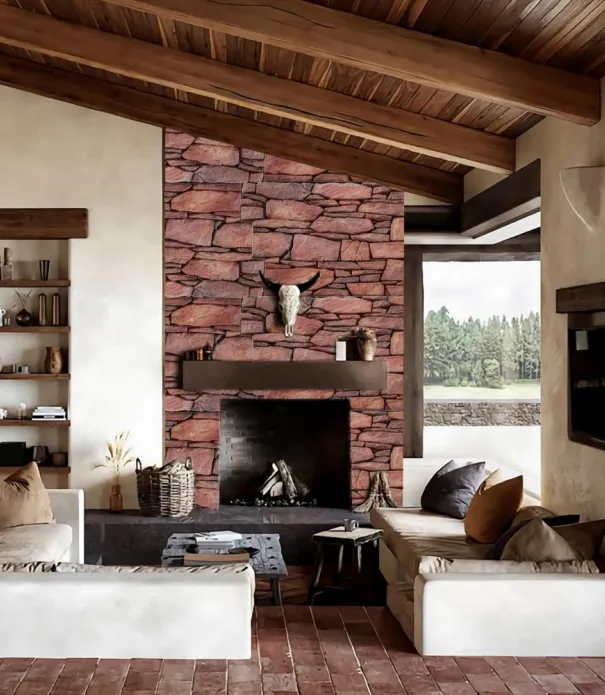
PU stone wall panel solutions are incredibly versatile, finding their place in both interior and exterior settings. Here are just a few ways they're being used to transform spaces:
Inside the home, PU stone panels are perfect for adding character without overwhelming a space. A living room accent wall clad in warm, earthy PU stone instantly becomes the focal point, pairing beautifully with neutral sofas and wooden furniture. In bedrooms, a textured stone panel behind the bed adds depth and coziness, turning a ordinary room into a retreat. Even kitchens benefit: imagine a backsplash in sleek, white PU stone that mimics marble, resistant to heat and easy to wipe clean after cooking.
Commercial spaces are also embracing PU stone wall panel solutions. Restaurants use them to create rustic, farm-house vibes or modern, industrial aesthetics. Hotels line lobbies with stone-like panels to welcome guests with luxury, while offices opt for subtle textures to add warmth to sterile workspaces. The key? They're adaptable enough to fit any brand's identity, from high-end boutiques to casual cafes.
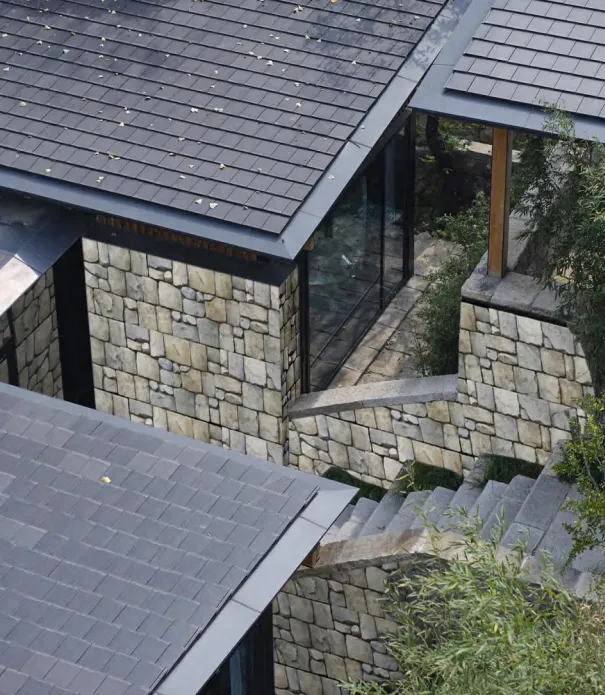
Exterior applications are where PU stone wall panels truly prove their mettle. Homeowners use them to clad facades, giving their house the look of a stone cottage without the structural load. Garden walls become works of art, with panels that mimic stacked stone or river rock, blending seamlessly with plants and greenery. Patios and outdoor kitchens benefit from their weather resistance—no more worrying about rain damaging the cladding or UV rays fading the color.
Commercial exteriors are also jumping on board. Retail stores use PU stone panels to create inviting storefronts that stand out on busy streets. Apartment complexes use them to add texture to otherwise plain facades, boosting curb appeal and tenant satisfaction. Even public spaces, like parks or community centers, use them for seating walls or decorative borders, proving that durability and beauty can go hand in hand.
Not all PU stone wall panel solutions are created equal, so selecting the right supplier is key to ensuring your project's success. Here are a few things to look for:
By partnering with a reliable PU stone wall panel supplier, you can ensure your project gets the high-quality materials and support it deserves, resulting in a finished space that exceeds expectations.
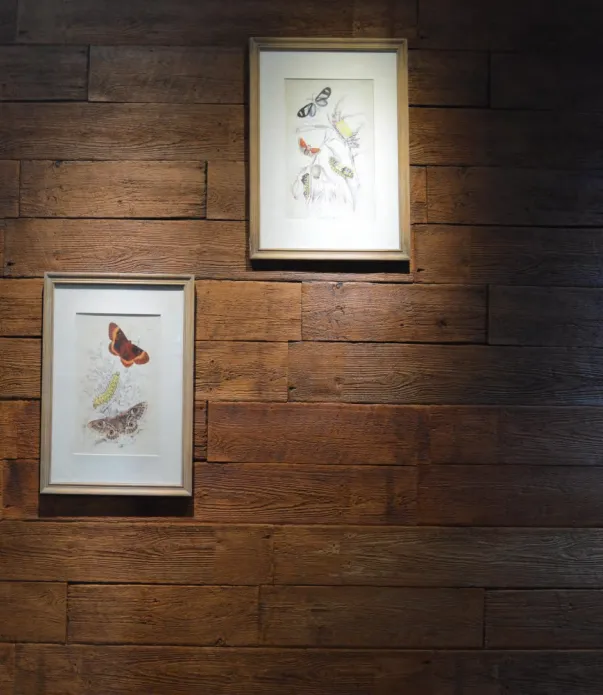
In a world where design trends come and go, PU stone wall panel solutions stand out as a timeless, practical choice. They offer the beauty of natural stone without the drawbacks, combining lightweight strength, aesthetic versatility, weather resistance, and easy maintenance into a single package. Whether you're renovating your home, designing a commercial space, or planning an outdoor project, these panels deliver on both form and function, making them a top contender in interior and exterior decoration materials.
As more homeowners and designers discover their benefits, PU stone wall panel solutions are set to become a staple in modern design—proof that innovation can make luxury accessible, durability beautiful, and spaces truly unforgettable. So, if you're ready to transform your space with materials that work as hard as you do, it might be time to explore what PU stone wall panel solutions can do for you.
Recommend Products











