
Let's start with a familiar scenario: You're standing in the middle of your kitchen renovation, coffee in hand, staring at a pile of pipe samples the plumber dropped off. Copper, PVC, something called PPR—your head spins. "Which one will last?" "Is this the best for my family's water supply?" "Will it fit my budget?" If you've asked these questions, you're not alone. For decades, homeowners, contractors, and architects have grappled with pipe choices, but in recent years, one option has risen to the top for its reliability, versatility, and long-term value: PPR pipes. In this guide, we'll break down everything you need to know about PPR pipes, from their core benefits to how to pick a supplier you can trust. Whether you're a first-time renovator or a seasoned commercial builder, by the end, you'll feel confident in choosing the right ppr pipe and fitting supplier for your project.
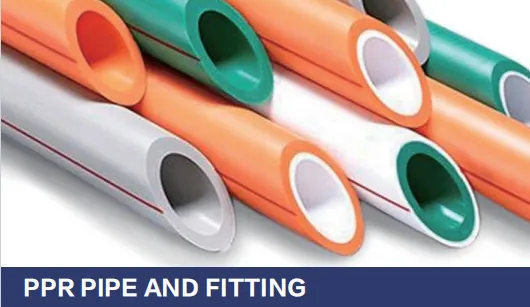
PPR stands for Polypropylene Random Copolymer, a type of plastic pipe made by combining polypropylene with other polymers to enhance its strength and flexibility. Unlike traditional materials like copper or galvanized steel, PPR pipes are lightweight, heat-resistant, and designed to handle both hot and cold water systems. Think of them as the "workhorse" of modern plumbing—quietly efficient, low-maintenance, and built to adapt to the demands of daily life.
Here's a quick science lesson (don't worry, we'll keep it simple): The "random copolymer" part means the polymer chains are mixed in a way that makes the material more durable than standard polypropylene. This structure gives PPR pipes their signature properties: resistance to corrosion, high-temperature tolerance (up to 95°C for long-term use), and a smooth inner surface that prevents mineral buildup. No more dealing with rusty water or clogged pipes—PPR pipes are built to keep water flowing clean and steady for decades.
So, what makes PPR pipes stand out from the crowd? Let's compare them to other common options to see why contractors and homeowners are making the switch:
But the real win? PPR pipes are leak-resistant . Their fittings are designed to fuse seamlessly with the pipes using heat, creating a single, watertight unit. No more loose connections or drips under the sink—just peace of mind. It's no wonder they're becoming the go-to choice for both residential building materials supplier and commercial building materials supplier projects across the globe.
PPR pipes aren't a one-trick pony—they're versatile enough to handle almost any plumbing job, big or small. Let's take a look at their most common uses:
Residential Projects: From kitchen sinks to bathroom showers, PPR pipes are perfect for home plumbing. They're ideal for hot water lines (think radiators, underfloor heating, and solar water systems) and cold water supply lines. Homeowners love them because they're quiet (no more "water hammer" noises when taps shut off) and don't add a metallic taste to drinking water.
Commercial Buildings: Hospitals, schools, hotels, and office complexes demand pipes that can handle high traffic and strict hygiene standards. PPR pipes meet both. Their smooth surfaces prevent bacterial growth (critical for hospitals), and their heat resistance works well in commercial kitchens or laundries. Many commercial building materials supplier companies now prioritize PPR pipes for these reasons.
Industrial Settings: While not as common as in residential or commercial spaces, PPR pipes are used in low-pressure industrial applications like chemical processing (for non-corrosive fluids) and agricultural irrigation. Their chemical resistance and low maintenance make them a cost-effective choice here, too.
Not all PPR pipes are created equal. To ensure you're getting a product that lasts, keep an eye out for these must-have features:
100% Virgin Material: Avoid pipes made with recycled plastic—they're weaker and more likely to crack. A reputable ppr pipe and fitting supplier will use 100% virgin PPR resin, which is visible in the pipe's uniform color (usually white, gray, or green) and consistent texture.
Certifications Matter: Look for pipes certified by global standards like ISO 9001 (quality management), CE (European safety), or local certifications (e.g., SASO in Saudi Arabia for saudi arabia building materials supplier partners). These labels prove the product has been tested for safety and performance.
Pressure and Temperature Ratings: PPR pipes come in different classes based on their pressure tolerance. For residential use, Class S (16 bar at 20°C) or Class PN20 (20 bar at 20°C) is usually sufficient. For hot water systems, check the temperature rating—aim for pipes rated to 70°C or higher for long-term use.
Fitting Quality: The best pipes are only as good as their fittings. Look for fittings with a "drip-proof" design, like copper-plated brass cores or precision-molded sockets. A good supplier will offer ppr pipe and fitting solutions that include matching elbows, tees, and valves to ensure a seamless install.
Now that you know what to look for in the pipes themselves, let's talk about the most crucial part: selecting a supplier. A great supplier doesn't just sell products—they offer expertise, support, and peace of mind. Here's what to consider:
Reputation and Experience: Start by checking reviews and asking for references. How long has the supplier been in business? Do they have case studies or testimonials from past clients? A one-stop architectural solution provider with years of experience is often a safer bet than a new company—they've weathered industry changes and understand customer needs.
Product Range and Solutions: The best suppliers don't just sell PPR pipes—they offer ppr pipe and fitting solutions tailored to your project. Do they carry different pipe sizes, fittings, and accessories? Can they help you design a plumbing system that fits your space? A supplier with a wide range shows they understand the complexities of real-world projects.
Manufacturing and Quality Control: Ask about their production process. Do they have their own factory, or do they source from third parties? In-house manufacturing often means stricter quality control. For example, some suppliers test every batch of pipes for pressure resistance and dimensional accuracy—details that matter when your project's success depends on it.
After-Sales Support: Even the best products can run into issues. A reliable supplier will offer technical support (like installation guides or on-site training for your team) and a warranty. Avoid suppliers who disappear once the sale is made—look for those who stand behind their products with a clear, written warranty.
Transparent Pricing: No one likes hidden fees. A trustworthy supplier will provide detailed quotes that include pipes, fittings, delivery, and any additional services. Be wary of prices that seem too good to be true—they often mean cutting corners on material quality.
To help you visualize the differences, here's a comparison of three common supplier types you might encounter:
| Supplier Type | Product Range | Certifications | After-Sales Support | Best For |
|---|---|---|---|---|
| Specialized PPR Supplier | Focused on PPR pipes/fittings only | ISO, CE, local standards | Technical expertise in PPR systems | Projects needing only PPR pipes |
| Residential Building Materials Supplier | PPR pipes + other home materials (flooring, tiles) | Basic certifications | General support for home projects | Small residential renovations |
| One-Stop Architectural Solution Provider | PPR pipes, fittings, and full building materials (walls, flooring, valves) | Comprehensive (ISO, CE, SASO, etc.) | End-to-end project support | Large commercial/residential projects |
As you can see, a one-stop architectural solution provider offers the most value for complex projects, while a specialized PPR supplier might be better for simple, pipe-only jobs. Choose based on your project's size and needs.
Even with the best intentions, it's easy to fall for a supplier that looks good on paper but delivers subpar products. Watch out for these warning signs:
No Certifications: If a supplier can't show you proof of ISO, CE, or local certifications, walk away. This is a major red flag for quality.
Vague Product Information: Do they hesitate to share details about material sources, pressure ratings, or manufacturing processes? Transparency is key—if they're evasive, they might be hiding something.
Poor Customer Reviews: A quick Google search can reveal a lot. Look for patterns: repeated complaints about leaks, delayed deliveries, or unresponsive support.
Unrealistic Prices: PPR pipes have a baseline cost. If a supplier's prices are 30% lower than competitors, they're likely using recycled materials or cutting corners in production.
At the end of the day, choosing PPR pipes and a reliable ppr pipe and fitting supplier is an investment in your project's future. These pipes aren't just about moving water—they're about ensuring your home or building is safe, efficient, and low-maintenance for years to come. By focusing on quality materials, certifications, and supplier reputation, you'll avoid costly repairs down the line and enjoy the peace of mind that comes with knowing you've made the right choice.
So, whether you're a homeowner tackling a renovation or a contractor managing a commercial build, remember: the best PPR pipes are the ones that work quietly in the background, letting you focus on what matters most. And the best suppliers are the ones who stand beside you, from the first quote to the final installation. Here's to smooth, leak-free plumbing—and a project you'll be proud of for decades.
Recommend Products












