
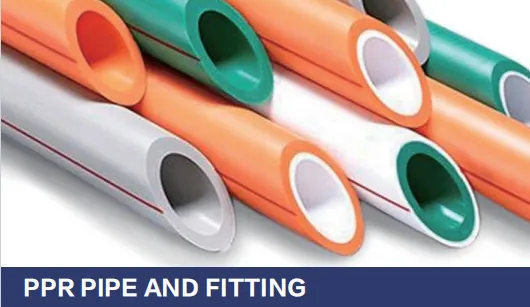
In the fast-paced world of modern construction, where every decision impacts durability, safety, and efficiency, choosing the right building materials can make or break a project. Among the countless components that go into creating functional, long-lasting structures, piping systems often take a backseat—until a leak occurs, a repair is needed, or energy bills spike. That's where PPR (Polypropylene Random Copolymer) pipe and fitting solutions step in, quietly revolutionizing how we approach water supply and distribution in both residential and commercial spaces. As a staple offering from leading residential building materials supplier and commercial building materials supplier partners, PPR has become more than just a product; it's a reliable ally for architects, contractors, and homeowners alike. In this article, we'll dive deep into what makes PPR pipe and fitting solutions a cornerstone of modern construction, exploring their benefits, applications, and why they're increasingly the go-to choice for one-stop architectural solution provider teams aiming to deliver excellence.
Let's start with the basics: PPR pipes are made from polypropylene random copolymer, a type of plastic engineered for strength, flexibility, and heat resistance. Unlike traditional materials like PVC (which is rigid and prone to brittleness) or copper (which is heavy and costly), PPR combines the best of both worlds—durability without the bulk, and versatility without compromising on performance. The "random copolymer" part refers to how the polymer chains are structured: randomly arranged molecules create a material that's less likely to crack under pressure or temperature changes, making it ideal for carrying both hot and cold water.
PPR fittings, the unsung heroes that connect these pipes, are designed to form seamless joints through a process called heat fusion. This isn't your average glue or threading; heat fusion melts the ends of the pipe and fitting together, creating a bond that's as strong as the pipe itself. The result? A leak-proof system that can withstand years of use without weakening at the joints—a critical advantage in high-pressure applications like commercial buildings or multi-story homes. When sourced from a reputable ppr pipe and fitting supplier , these components undergo rigorous testing to ensure they meet industry standards for pressure, temperature, and chemical resistance, giving builders peace of mind that their systems will perform when it matters most.
If you've ever dealt with a burst pipe in the middle of winter or a corroded copper line that stained your walls, you know the value of a reliable piping system. PPR solutions address these common headaches head-on, offering a list of benefits that make them hard to ignore:
1. Exceptional Durability and Longevity – PPR pipes are built to last. Most manufacturers guarantee a lifespan of 50 years or more when installed correctly, even under constant use. Unlike metal pipes, they don't rust, corrode, or scale over time, which means better water flow and fewer blockages. Imagine installing a piping system in a new home and knowing it will outlast the first generation of occupants—now that's a selling point for any residential building materials supplier .
2. Resistance to Heat and Pressure – PPR thrives in environments where temperatures fluctuate. It can handle hot water up to 95°C (203°F) and operating pressures up to 10 bar, making it perfect for everything from residential plumbing to commercial heating systems. In hospitals or schools, where hot water demand is constant, this heat resistance ensures the pipes won't degrade or warp, keeping critical systems running smoothly.
3. Cost-Effective from Start to Finish – While the upfront cost of PPR might be slightly higher than PVC, the long-term savings tell the real story. Installation is faster (no need for soldering or complex tools), labor costs are lower, and maintenance is minimal. Plus, because PPR doesn't corrode, you won't face expensive repairs or replacements down the line. For commercial building materials supplier partners managing tight project budgets, this balance of quality and affordability is a game-changer.
4. Hygienic and Safe for Drinking Water – In today's health-conscious world, the safety of water systems is non-negotiable. PPR is non-toxic, lead-free, and doesn't leach chemicals into the water, meeting strict standards for potable water applications. This makes it a top choice for hospitals, schools, and homes where clean water is a priority—another reason why one-stop architectural solution provider teams recommend it for health-focused projects.
5. Flexibility and Easy Installation – PPR pipes are lightweight and flexible, making them easy to transport and maneuver in tight spaces like wall cavities or under floors. Heat fusion, the primary installation method, requires only a few tools and minimal training. A skilled installer can connect pipes and fittings in minutes, reducing project timelines and minimizing disruptions—especially valuable in busy commercial settings where downtime equals lost revenue.
PPR's versatility means it's not limited to one type of project. From cozy family homes to sprawling office complexes, its applications are wide-ranging and varied:
Residential Plumbing – In homes, PPR is the star of kitchen and bathroom plumbing systems. It's ideal for connecting water heaters, sinks, showers, and toilets, thanks to its quiet operation (no more clanging pipes when the tap is turned on!) and resistance to temperature changes. Homeowners love it because it reduces the risk of leaks, which can lead to mold, water damage, and costly repairs. For a residential building materials supplier , offering PPR solutions is a way to add value to new construction or renovation projects, giving homeowners a low-maintenance, long-term solution.
Commercial Buildings – Offices, hotels, and retail spaces have unique demands: high water pressure, constant use, and the need for systems that can keep up with busy schedules. PPR delivers here too. Its durability ensures that even in high-traffic areas, the pipes won't fail, while its lightweight design makes retrofitting older buildings easier. Imagine a hotel with 100 rooms—each with a shower, sink, and toilet. A PPR system ensures consistent water flow to every unit without the risk of pressure drops or leaks, keeping guests happy and maintenance teams stress-free.
Healthcare and Education Facilities – Hospitals and schools have zero tolerance for water contamination or system failures. PPR's non-toxic, corrosion-resistant properties make it a safe choice for these environments. In hospitals, where sterile water is critical for patient care, PPR pipes prevent the growth of bacteria or mold inside the system. In schools, where budgets are tight and maintenance resources are limited, the long lifespan of PPR means fewer disruptions to classes for repairs.
Industrial Applications – Beyond plumbing, PPR is used in industrial settings to transport chemicals, coolants, and other non-potable fluids. Its chemical resistance makes it suitable for factories or processing plants, where exposure to harsh substances could degrade other materials. When paired with the right fittings, PPR systems can handle even the most demanding industrial workflows.
To truly appreciate PPR, it helps to see how it stacks up against other common piping materials. Let's break it down in the table below:
| Material | Durability | Heat Resistance | Installation Ease | Cost (Lifespan Considered) | Maintenance Needs | Environmental Impact |
|---|---|---|---|---|---|---|
| PPR | 50+ years, no corrosion/rust | Up to 95°C (203°F) | Easy (heat fusion, minimal tools) | Moderate upfront, low long-term | Minimal (no scaling/cleaning needed) | Recyclable, low carbon footprint |
| PVC | 20-30 years, prone to brittleness | Up to 60°C (140°F) | Easy (glue/threading) | Low upfront, high long-term (replacements) | Moderate (prone to cracks, blockages) | Non-biodegradable, limited recycling |
| Copper | 50+ years, but corrodes in acidic water | High (suitable for hot water) | Difficult (soldering required, heavy) | High upfront, high maintenance | High (corrosion, scaling, joint leaks) | Recyclable, but energy-intensive to produce |
| PEX | 40-50 years, flexible but sensitive to UV | Up to 95°C (203°F) | Easy (crimping tools) | Moderate upfront, moderate long-term | Moderate (UV damage, joint failures possible) | Recyclable, but limited heat resistance in some types |
As the table shows, PPR strikes a balance that's hard to beat. It offers the longevity of copper without the cost or installation hassle, the ease of PVC without the short lifespan, and the flexibility of PEX without the sensitivity to environmental factors. For commercial building materials supplier teams looking to optimize project budgets and outcomes, this balance makes PPR a smart investment.
Even the best materials can underperform if installed incorrectly. PPR systems are no exception, but with the right approach, they're straightforward to set up. Here are some key tips for contractors and installers:
Invest in Quality Tools – Heat fusion requires a specialized tool to melt the pipe and fitting evenly. A cheap or poorly calibrated tool can result in weak joints, which are prone to leaks. Reputable ppr pipe and fitting supplier partners often offer tool rental or recommendations, ensuring installers have access to equipment that meets industry standards.
Measure Twice, Cut Once – PPR pipes are easy to cut, but accuracy matters. Use a sharp, straight cutter to ensure clean edges, which helps create a tight seal during fusion. Any burrs or uneven cuts can weaken the joint, so take the time to prep each pipe end properly.
Follow Fusion Guidelines – Heat fusion isn't a "set it and forget it" process. Each pipe size and material type has specific temperature and heating time requirements. For example, a 20mm pipe might need 5 seconds of heating, while a 63mm pipe needs 15 seconds. Ignoring these guidelines can lead to under-fused (weak) or over-fused (blocked) joints. Most suppliers provide detailed fusion charts—keep them handy!
Test the System Before Concealing – Once installed, always pressure-test the system before covering pipes with walls or floors. A 30-minute test at 1.5 times the working pressure will reveal any leaks or weak joints, saving you from costly repairs later. It's a small step that makes a big difference in long-term reliability.
One of the biggest perks of PPR is its low maintenance needs, but that doesn't mean it's completely hands-off. A little care goes a long way in ensuring your system lasts as long as promised:
Avoid Physical Damage – While PPR is durable, it's not indestructible. Avoid hitting or bending pipes excessively, especially near joints. In renovation projects, mark pipe locations to prevent accidental drilling or cutting—this is a common cause of leaks in older homes.
Monitor Water Quality – PPR is resistant to most chemicals, but highly acidic or alkaline water can degrade it over time. If you live in an area with extreme water pH levels, consider installing a water treatment system to protect your pipes (and your appliances).
Inspect Joints Regularly – Even with proper installation, joints can loosen over time due to ground movement or temperature fluctuations. A quick visual inspection every few years (or after a major storm) can catch small leaks before they become big problems. Look for damp spots, mold, or discoloration around pipes—these are telltale signs of a leak.
Clean When Necessary – While PPR doesn't scale like metal pipes, mineral deposits can build up in hard water areas. A gentle, non-abrasive cleaner designed for plastic pipes can help remove buildup without damaging the material. Avoid harsh chemicals or wire brushes, which can scratch the inner surface and lead to future blockages.
In an era where sustainability is more than a buzzword—it's a requirement—PPR pipe and fitting solutions hold their own. Here's how they contribute to greener building practices:
Energy Efficiency – PPR's smooth inner surface reduces water flow resistance, meaning pumps don't have to work as hard to move water through the system. This lowers energy consumption, especially in large commercial buildings with complex plumbing networks. Over time, these energy savings add up, reducing both carbon footprints and utility bills.
Recyclability – At the end of its long lifespan, PPR can be recycled into new plastic products, diverting waste from landfills. Unlike some materials that degrade during recycling, PPR maintains its properties through multiple recycling cycles, making it a circular economy champion.
Reduced Water Waste – Leaks are a major source of water waste in buildings. PPR's leak-proof joints and corrosion resistance minimize this issue, conserving water and reducing the strain on local water supplies. For one-stop architectural solution provider teams aiming for LEED or other green building certifications, this water efficiency is a valuable point toward certification.
Low Carbon Footprint in Production – Manufacturing PPR requires less energy than producing copper or steel pipes, and it generates fewer greenhouse gas emissions. When paired with its long lifespan, this makes PPR a more sustainable choice from cradle to grave.
To see PPR's impact firsthand, let's look at a recent project by a leading commercial building materials supplier in Riyadh, Saudi Arabia. The client was constructing a 200-room luxury hotel with high-end amenities, including spas, restaurants, and conference facilities. The plumbing system needed to handle constant hot water demand, high pressure, and meet strict safety standards for guests.
After evaluating options, the contractor chose PPR pipe and fitting solutions for several reasons: the heat resistance for spa and kitchen systems, the leak-proof joints to prevent water damage in guest rooms, and the cost savings compared to copper. The ppr pipe and fitting supplier provided not just materials but also technical support, helping the installation team optimize the system design for efficiency.
The result? The hotel opened on schedule, with zero plumbing issues during the first year of operation. Maintenance costs were 30% lower than projected, and guest feedback highlighted consistent water pressure and temperature in all rooms. The contractor noted that the heat fusion installation was 40% faster than soldering copper pipes, reducing labor costs and keeping the project on budget. For the hotel owner, this translated to higher guest satisfaction and lower operational expenses—a win-win made possible by choosing the right piping solution.
Not all PPR products are created equal, and the supplier you choose can impact the quality, reliability, and support you receive. Here's what to consider when selecting a partner:
Certifications and Quality Standards – Look for suppliers whose products meet international standards like ISO, DIN, or ASTM. These certifications ensure the pipes and fittings have been tested for pressure, temperature resistance, and safety. A reputable ppr pipe and fitting supplier will happily share their certification documents—if they hesitate, that's a red flag.
Range of Products – Construction projects rarely use one pipe size or fitting type. Choose a supplier with a full range of products, from small-diameter pipes for residential use to large-diameter options for commercial systems. This saves time and ensures consistency across the project.
Technical Support – Even experienced installers benefit from expert guidance. The best suppliers offer technical support, including fusion training, system design advice, and troubleshooting help. This is especially valuable for complex projects where every detail matters.
Reliable Delivery – Construction schedules wait for no one. A supplier with a strong logistics network ensures materials arrive on time, preventing project delays. Ask about lead times and backup inventory—you don't want to halt work because a critical fitting is out of stock.
Commitment to Sustainability – As green building practices become the norm, partner with suppliers who prioritize sustainability. This includes using recycled materials, reducing packaging waste, and offering recycling programs for old pipes. It's a sign they care about more than just profits—they care about the planet too.
PPR pipe and fitting solutions aren't standing still. Manufacturers are constantly innovating to make them even better, with trends like:
Enhanced Heat Resistance – New formulations are pushing the limits of PPR's temperature tolerance, making it suitable for even higher-temperature applications like industrial heating systems.
Smart Piping Systems – Imagine pipes with built-in sensors that detect leaks or pressure drops in real time, sending alerts to your phone or building management system. Early prototypes are already in testing, and it's only a matter of time before this technology becomes mainstream.
Bio-Based PPR – Researchers are exploring ways to replace petroleum-based polymers with plant-based materials, reducing the environmental impact of production even further. While still in development, this could make PPR an even greener choice in the future.
In the world of modern construction, where every material choice is a trade-off between cost, performance, and sustainability, PPR pipe and fitting solutions stand out as a rare "all-arounder." They offer the durability to last decades, the flexibility to adapt to any project, and the efficiency to keep costs down—all while supporting greener building practices. Whether you're a homeowner renovating your kitchen, a contractor building a hospital, or a one-stop architectural solution provider designing the next landmark building, PPR delivers the reliability and peace of mind you need.
So, the next time you're planning a construction project, don't overlook the humble piping system. Choose PPR, and you'll be investing in a solution that works as hard as you do—quietly, efficiently, and for years to come. And when you're ready to start, partner with a ppr pipe and fitting supplier who shares your commitment to quality. After all, the best buildings are built on the best foundations—and sometimes, those foundations are hidden in the walls, carrying water, warmth, and reliability to every corner of the space.
Recommend Products












