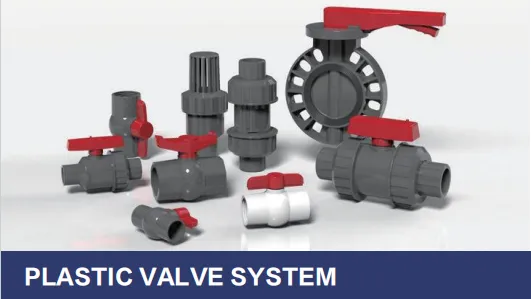
The journey of a plastic valve system from factory to construction site is a complex process with multiple stages. Let's walk through each step to understand how suppliers ensure quality and efficiency:
1. Raw Material Sourcing
It all starts with the right materials. Suppliers partner with trusted chemical companies to source high-grade plastics like PVC resin, PPR granules, and additives that enhance durability and flexibility. For example, a upvc pipe supplier might require virgin UPVC resin to meet strict pressure standards, while a pex pipe and fitting supplier could use cross-linked polyethylene for its ability to withstand freezing temperatures.
Raw material quality is non-negotiable. A single batch of subpar resin could lead to brittle valves that crack under pressure, putting entire plumbing systems at risk. That's why reputable suppliers conduct rigorous testing on incoming materials, checking for purity, melt flow rate, and resistance to chemicals.
2. Manufacturing: Precision in Every Mold
Once materials are approved, production begins. Most plastic valves are made using injection molding or extrusion:
-
Injection Molding:
Molten plastic is injected into a mold under high pressure, creating complex valve shapes with precise dimensions. This method is ideal for valves with intricate designs, like ball valves or check valves.
-
Extrusion:
Plastic is pushed through a die to form long, continuous shapes (like pipes and fittings). Extruded parts are then cut to size and assembled with molded valves to create complete systems.
Modern factories use automated machinery and computer-aided design (CAD) to ensure consistency. For example, a plastic valve system supplier might use robotic arms to assemble valve components, reducing human error and increasing production speed.
2. Quality Testing: Ensuring Reliability
No valve leaves the factory without passing strict quality checks. Suppliers invest in in-house testing labs where every batch undergoes a series of evaluations:
-
Pressure Testing:
Valves are subjected to pressures higher than their rated capacity to check for leaks. A PPR valve designed for 10 bar might be tested at 15 bar to ensure it can handle unexpected surges.
-
Leak Testing:
Submerged in water or air, valves are checked for even the smallest leaks using ultrasonic detectors or pressure gauges.
-
Chemical Resistance:
Valves intended for industrial use are exposed to acids, alkalis, and other chemicals to ensure they don't degrade over time.
-
Impact Testing:
Samples are dropped from specified heights to test for brittleness, especially important for valves used in cold climates.
Many suppliers also hold certifications like ISO 9001 (quality management) and NSF/ANSI 61 (safe for drinking water), giving clients peace of mind that their products meet global standards.
3. Inventory Management
Once tested, valves are stored in warehouses with controlled temperatures and humidity to prevent warping or degradation. Suppliers use inventory management software to track stock levels, ensuring they can quickly fulfill orders for common items like PVC DWV valves while keeping custom parts on hand for emergency requests.
For example, a busy supplier might stock thousands of standard 2-inch PVC ball valves but only a few hundred custom 4-inch PPR gate valves. This balance between bulk and specialty inventory helps keep costs low and delivery times short.
4. Logistics and Delivery
Getting products to the job site on time is a logistical puzzle. Suppliers work with freight companies to coordinate shipping, whether it's a small order of valves for a home renovation or a full truckload for a hospital construction project. They also consider factors like weather (avoiding shipping PEX pipes in freezing conditions) and customs regulations (especially for international projects, such as supplying a saudi arabia building materials supplier).
Many suppliers offer "just-in-time" delivery, where products arrive exactly when they're needed on-site. This reduces the contractor's storage costs and minimizes the risk of damage from prolonged warehousing.