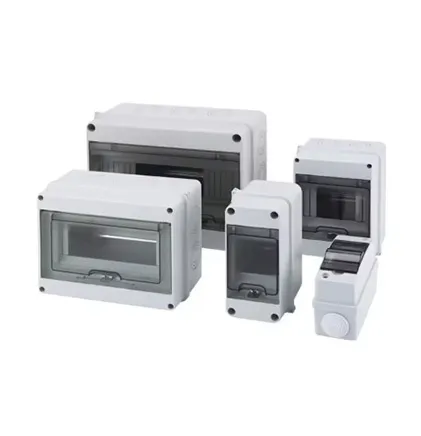
When you're setting up electrical systems, distribution boxes are like the unsung heroes that keep everything running smoothly. You probably don't give them much thought until something goes wrong, but choosing the right one with the proper IP rating can mean the difference between a reliable system and constant headaches. Let's break down what these IP ratings really mean and how they affect your projects.
What Exactly Are IP Ratings?
IP stands for Ingress Protection, and it's like a secret code telling you how well equipment can keep out unwanted guests. Not burglars, mind you - we're talking about dust, water, and other environmental intruders. Think of it as a weather forecast for your equipment's durability.
The rating always comes as two numbers - like IP65 or IP68. The first digit is all about solid particles (dust, dirt, tools), while the second is all about liquids (rain, splashes, immersion).
Why This Matters More Than You Think
Ever opened a distribution box to find it full of dust or - worse - water? That's an IP mismatch. Getting this rating wrong can lead to short circuits, corrosion, and even fires. It's not just about protection - it's about safety and preventing costly system failures.
Decoding the IP Rating System
|
Digit
|
Protection Against Solids
|
Protection Against Liquids
|
|
0
|
No protection
|
No protection
|
|
1
|
Hands >50mm
|
Dripping water (vertical)
|
|
2
|
Fingers >12.5mm
|
Dripping water (15° tilt)
|
|
3
|
Tools >2.5mm
|
Spraying water (60°)
|
|
4
|
Wires >1mm
|
Splashing water (all directions)
|
|
5
|
Dust protected
|
Water jets (6.3mm nozzle)
|
|
6
|
Dust tight
|
Powerful water jets (12.5mm nozzle)
|
|
7
|
-
|
Immersion (1m depth)
|
|
8
|
-
|
Continuous underwater use
|
Let's make sense of this with examples you'll recognize:
-
IP20:
Your basic indoor box - good for dry rooms but sneeze on it and it might complain
-
IP44:
For spots with minor moisture like basements or laundries
-
IP65:
The versatile star - handles dust and rain, perfect for workshops or garages
-
IP67:
When you need something that could survive a quick dip in water
-
IP68:
The submarine of boxes - handles continuous water exposure, great for outdoor installations
Location Matters: Matching IP Rating to Environment
Indoor Applications
Most indoor settings get by perfectly with IP20 to IP44 ratings. But not all indoor spaces are equal! Here are some everyday spots you might overlook:
-
Office Buildings:
IP44 is sufficient for server rooms and network closets.
-
Factory Settings:
For industrial environments, IP55 handles airborne particles from manufacturing processes.
-
Greenhouses & Indoor Farms:
The high humidity means you'll want IP55.
-
Labs:
Environments with chemicals need IP55 at minimum.
Remember, these environments include various
electrical equipment and cable
systems that demand protection against environmental factors even when indoors.
Outdoor Warriors
Anything outside needs to be ready for Mother Nature's mood swings. This is where IP ratings really flex their muscles:
-
Construction Sites:
Dust and rain everywhere? You need IP65 as a minimum.
-
Water Treatment Facilities:
High humidity and splashes call for IP66.
-
Offshore Platforms:
Salt spray and constant moisture? IP67 is your best friend.
-
Solar Farms:
Weather extremes make IP68 ideal.
-
Flood-Prone Areas:
For places where flooding is common, IP68 is essential.
The wrong choice here could mean replacing boxes every year - a classic case of false economy.
Harsh Industrial Settings
These environments make everyday dust or rain look like child's play. We're talking about serious conditions:
-
Mining Operations:
Constant dust requires IP66-rated boxes.
-
Food Processing Plants:
High-pressure washdowns need IP69K.
-
Chemical Plants:
Corrosive environments require special materials like stainless steel.
-
Wastewater Facilities:
Combines moisture and contaminants calling for IP68.
When dealing with specialized environments like this, remember that meeting installation standards isn't enough - you need to think about long-term maintenance too.
Special Considerations People Forget
Material Matters
It's not just about the rating number - what's the box made of? That shiny stainless steel box might look tough, but in coastal areas, the salt in the air could still cause corrosion faster than you'd expect.
Heat Build-Up
When you make a box tighter to keep things out, you also trap heat in. In hot climates or locations exposed to direct sunlight, you'll need ventilation solutions that don't compromise the IP rating.
Real-World Installation
Here's where many get tripped up - you can have an IP68-rated box, but if you don't install it properly or damage the seals during setup, that rating means nothing. Always check the manufacturer's installation guidelines.
Why Cutting Corners Costs More
We've all seen it - someone grabs a lower IP-rated box to save a few bucks upfront. Then a year later, moisture gets in, shorts out the system, and causes thousands in damage and downtime. That's no savings at all.
Think about maintenance too. Boxes with proper IP ratings often withstand longer intervals between checks - more time for your team, less hassle for you.
A Simple Tip for Buyers
Always think one level above what you "think" you need. If your assessment says IP44, go for IP55. That small upgrade buys you breathing room for unexpected conditions.
Final Thoughts
Choosing distribution boxes is a decision that seems technical but has real-world consequences. Getting the IP rating right isn't just about meeting specs - it's about ensuring reliability, safety, and cost-effectiveness over the life of your installation.
Remember: That distribution box might be tucked away and forgotten, but it's working hard to protect your valuable electrical systems. Give it the protection it deserves so it can protect your investment in return.