

Think about the last time you walked into a building—residential or commercial—and noticed the walls. Maybe it was a home with a cracked stone facade, struggling to withstand years of weather. Or a restaurant with a rigid wall panel that couldn't curve around the bar, leaving awkward gaps. These are common frustrations for anyone invested in building or renovating spaces: traditional wall materials often trade durability for flexibility, or aesthetics for practicality. But what if there was a material that didn't force you to choose? Enter MCM flexible cladding stone wall panels—a solution that's changing how architects, homeowners, and business owners approach interior and exterior design.
In this guide, we'll break down everything you need to know about MCM flexible cladding: what it is, why it stands out from other wall materials, where it works best, and how to choose the right MCM flexible cladding stone wall panel supplier to turn your vision into reality. Whether you're revamping a residential living room or designing a commercial architectural façade, this isn't just about a product—it's about finding a wall solution that adapts to your space, not the other way around.
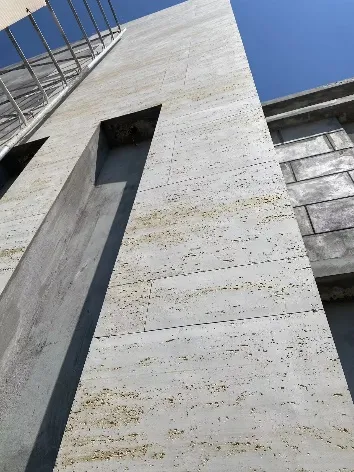
Let's start with the basics: MCM stands for Modified Composite Material. But don't let the technical name fool you—this is a material designed with real-world needs in mind. MCM panels are crafted by blending natural minerals (like stone powder or ceramic) with high-performance polymers, creating a composite that's both lightweight and surprisingly strong. The magic, though, is in the flexibility. Unlike rigid stone or concrete panels, MCM can bend and curve without cracking, making it ideal for surfaces that aren't perfectly flat.
Imagine a curved exterior wall on a modern office building, or a rounded accent wall in a home's entryway. Traditional materials would require custom cutting, extra labor, and often result in visible seams. MCM panels, by contrast, conform to the surface, creating a smooth, seamless finish. And they don't skimp on aesthetics—available in a range of textures and colors, from the look of rough-hewn granite to sleek marble, they mimic natural stone so closely that even experts might do a double-take.
But MCM isn't just about looks. It's engineered to perform. Most MCM panels are water-resistant, UV-stable (so they won't fade in the sun), and even fire-retardant—a critical feature for both residential and commercial spaces. And because they're lightweight (often 70% lighter than natural stone), they reduce stress on building structures, cutting down on installation time and costs. For a residential building materials supplier or commercial building materials supplier , this versatility makes MCM a go-to for projects where both form and function matter.
So, what sets MCM flexible cladding apart from other wall panel options? Let's break down the benefits that have architects and designers raving:
1. Flexibility Without Sacrificing Strength: This is MCM's standout feature. Whether you're installing it on a curved exterior façade, a spiral staircase wall, or a rounded niche in a hotel lobby, the panels bend to the shape of the surface. And despite their flexibility, they're tough—resistant to impacts, scratches, and even extreme temperatures, from Saudi Arabia's scorching summers to colder climates.
2. Lightweight and Easy to Install: Natural stone panels can weigh 30-40 kg per square meter; MCM panels? Often as little as 5-8 kg. That means fewer workers needed for installation, lower structural support costs, and faster project timelines. For contractors and DIY homeowners alike, this translates to less hassle and more savings.
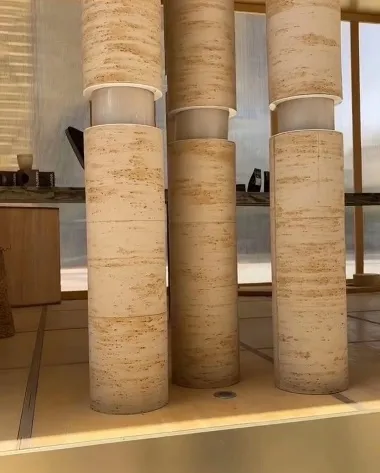
3. Aesthetic Versatility: MCM doesn't limit your design vision. Want the rustic charm of stacked stone for a cabin exterior? Or the sleek, modern look of polished marble for a restaurant interior? Suppliers offer a range of finishes, colors, and textures, including custom options. It's like having a palette of natural materials, with the added bonus of flexibility.
4. Low Maintenance, Long Lifespan: Unlike wood panels that warp or natural stone that needs regular sealing, MCM is designed to last. A quick wipe with a damp cloth is usually all it takes to clean interior panels, while exterior panels resist mold, mildew, and fading. Many suppliers back their MCM panels with 15-20 year warranties—proof of their durability.
5. Eco-Friendly Credentials: Many MCM panels are made with recycled materials, and their lightweight nature reduces transportation emissions. For green-building projects or clients prioritizing sustainability, this is a major plus.
Still not sure if MCM is right for your project? Let's compare it to other popular wall panel materials. The table below breaks down how MCM flexible cladding holds up against PU stone wall panels, WPC wall panels, and traditional natural stone—so you can see why it's becoming a top choice for architectural façade solutions and interior design.
| Feature | MCM Flexible Cladding | PU Stone Wall Panels | WPC Wall Panels | Natural Stone |
|---|---|---|---|---|
| Flexibility | High—bends to curves and irregular surfaces | Low—rigid, limited to flat or slightly curved surfaces | Moderate—some flexibility, but prone to cracking under stress | Very low—brittle, cracks easily on non-flat surfaces |
| Weight (per sqm) | 5-8 kg | 8-12 kg | 10-15 kg | 30-40 kg |
| Durability | High—resistant to impacts, UV rays, and moisture | Moderate—can fade in direct sunlight; less impact-resistant | Moderate—prone to swelling if exposed to excess moisture | High—durable but requires sealing; heavy weight risks structural stress |
| Fire Resistance | Often Class A (highest rating) when treated | Low—flammable, not ideal for commercial high-rises | Low to moderate—may require fire-retardant additives | High—natural fire resistance, but heavy smoke if burned |
| Best For | Curved surfaces, exterior façades, high-traffic areas | Flat interior walls, low-traffic residential spaces | Moisture-prone areas (e.g., bathrooms), budget projects | High-end, flat surfaces where natural look is priority |
As the table shows, MCM strikes a balance that other materials miss. It's more flexible than PU or WPC, lighter than natural stone, and durable enough for both residential and commercial use. For projects where design versatility and long-term performance are key, it's hard to beat.

MCM panels aren't a one-trick pony—they shine in a variety of settings, from cozy homes to sprawling commercial complexes. Let's explore some of the most common applications, and why they're a perfect fit:
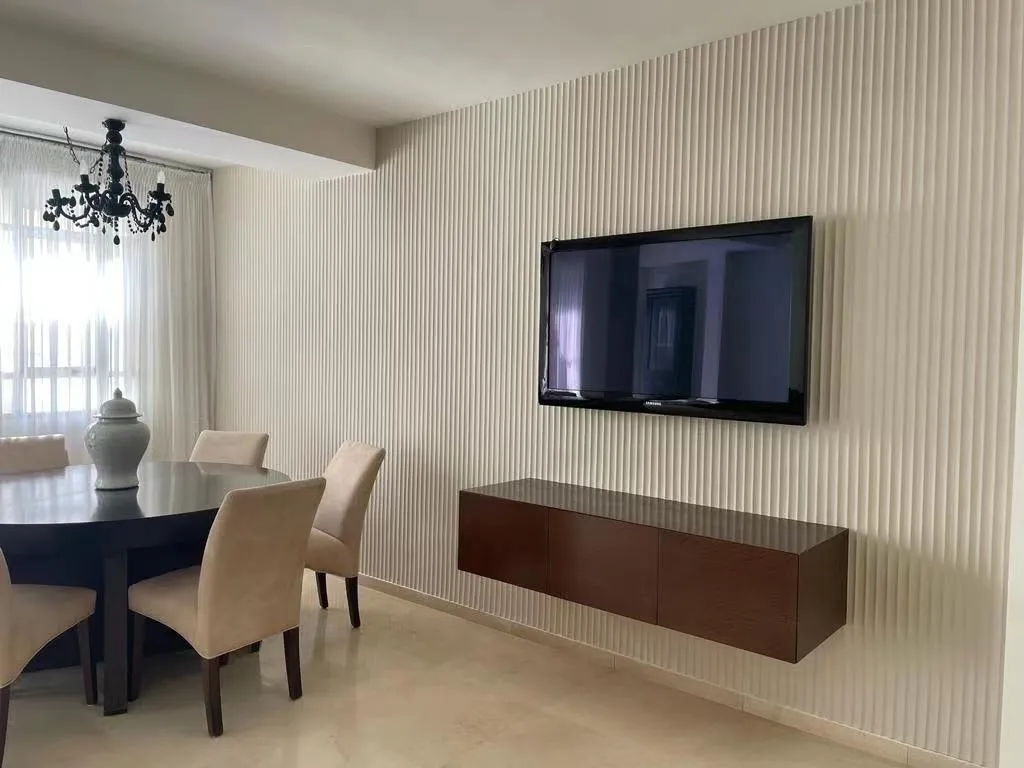
Residential Spaces: Homeowners love MCM for its ability to add character without the upkeep. Imagine a living room accent wall with a "stacked stone" finish that curves around a fireplace, or an exterior façade that looks like natural granite but won't crack in freeze-thaw cycles. It's also popular for bedrooms, home offices, and even outdoor patios—anywhere you want style that stands up to daily life.
Commercial Buildings: For businesses, MCM is a workhorse. Restaurants use it to create curved bar fronts or eye-catching exterior signage. Retail stores install it on walls to mimic expensive marble, drawing customers in. Office buildings opt for it on exteriors, where its lightweight nature reduces structural costs, and its UV resistance keeps the façade looking new for years. Even healthcare facilities and schools are turning to MCM for its easy-to-clean, germ-resistant properties—though for specialized environments like hospitals, pairing it with Class A fireproof materials (like CPL inorganic boards) can enhance safety further.
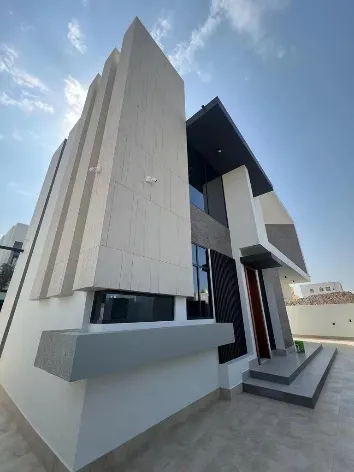
Architectural Façades: This is where MCM truly shines. Architects designing modern, curved buildings no longer have to compromise on material—MCM panels conform to complex shapes, creating seamless, striking exteriors. From hotels in Saudi Arabia to boutique shops in urban centers, architectural façade solutions using MCM are redefining city skylines.
Heritage Renovations: Even older buildings benefit from MCM. Its thin profile means it can be installed over existing walls, preserving the original structure while updating the look. For historic homes or commercial spaces needing a modern refresh without losing character, this is a game-changer.
One of the biggest perks of MCM panels is how user-friendly they are—both to install and maintain. Let's walk through the basics, so you know what to expect:
Installation:
Unlike natural stone, which often requires heavy machinery and specialized labor, MCM panels are lightweight and easy to handle. Most suppliers provide detailed installation guides, and the process typically involves:
1. Preparing the surface (ensuring it's clean, dry, and smooth).
2. Applying adhesive (specifically formulated for MCM) to the back of the panels.
3. Pressing the panels into place, using spacers to ensure even alignment.
4. Sealing joints (if needed) for exterior applications to prevent water intrusion.
For curved surfaces, the panels can be gently bent during installation—no cutting or custom shaping required. Even DIY-savvy homeowners can tackle small projects, though larger commercial jobs may still benefit from professional installers.
Maintenance: MCM panels are designed to be low-fuss. For interiors, a soft cloth or sponge with mild soap and water is all you need to remove dust or stains. For exteriors, occasional rinsing with a garden hose keeps them looking fresh. Unlike wood, they won't rot; unlike natural stone, they don't need sealing every few years. It's a set-it-and-forget-it material—perfect for busy homeowners and businesses.
You've decided MCM flexible cladding is right for your project—now, how do you choose the best MCM flexible cladding stone wall panel supplier ? This isn't just about ordering panels; it's about partnering with a company that delivers solutions , not just products. Here's what to look for:
1. Range of Solutions: The best suppliers offer more than MCM panels—they're a one-stop architectural solution provider . Look for companies that also supply complementary materials like flooring, ceiling solutions, or pipes and fittings, so you can streamline your project with a single vendor.
2. Customization Options: Every project is unique. A good supplier will work with you to create custom colors, textures, or sizes, ensuring the panels fit your design vision perfectly. Ask about minimum order quantities for custom orders—some suppliers are flexible, even for small residential projects.
3. Technical Support: Installation questions? Material compatibility concerns? A reliable supplier should offer expert guidance, from product selection to post-installation troubleshooting. Look for companies with a dedicated customer support team and online resources like installation videos or FAQs.
4. Quality Certifications: Don't skimp on quality. Check if the supplier's panels meet industry standards, like fire resistance ratings (Class A is ideal for commercial spaces), UV resistance, and durability certifications. Reputable suppliers will happily share test reports and warranties.
5. Local Expertise: If you're based in a region with specific climate challenges—like Saudi Arabia's high heat or coastal areas with salt spray—choose a supplier familiar with local conditions. They can recommend panels treated for those environments, ensuring longevity.
At the end of the day, MCM flexible cladding stone wall panels aren't just a trend—they're a solution to a longstanding problem in building design. They let you have the beauty of natural stone, the flexibility of modern composites, and the durability to last for decades. Whether you're a homeowner wanting to upgrade your space, a business owner aiming to impress customers, or an architect pushing the boundaries of design, MCM panels adapt to your needs.
And remember: the right MCM flexible cladding stone wall panel supplier isn't just a vendor—they're a partner in bringing your vision to life. By prioritizing quality, customization, and support, you'll ensure your project isn't just built—it's built to thrive.
So, what's next? Reach out to a trusted residential or commercial building materials supplier today, and start exploring how MCM flexible cladding can transform your space. After all, great design shouldn't have to choose between form and function—and with MCM, it never does.
Recommend Products











