
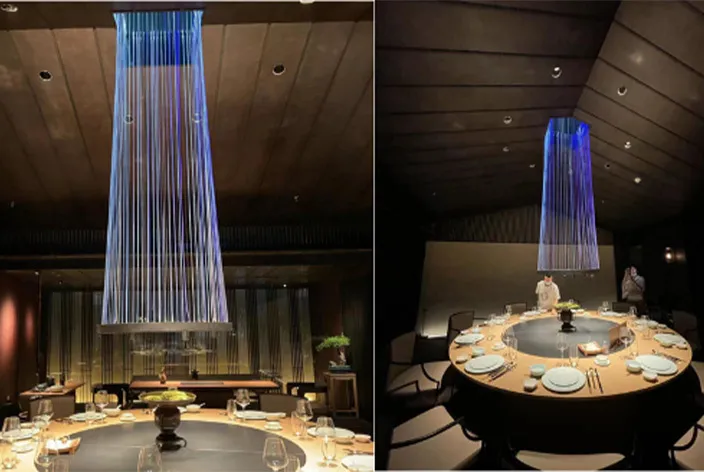
Walking into a restaurant isn't just about the food anymore – it's about the whole vibe, the atmosphere that wraps around you the moment you step through the door. And guess what? Lighting is what creates that mood, that secret sauce that makes a place feel warm and inviting or sleek and modern. We're now in 2025, and restaurant lighting has seriously leveled up. Gone are the days of that harsh overhead glare that made you feel like you were under interrogation. Nowadays, it's all about creating experiences, setting moods, and even affecting how we taste our food – no kidding!
Over the next few pages, I'm going to break down exactly what you need to know about restaurant lighting this year. We'll talk about the different types – from those elegant ceiling panels to practical task lighting over tables. You'll get real-world price ranges for each kind and learn why some lighting costs more than others. We'll also check out some of the hottest trends that restaurant owners are using to wow customers, plus how where your lighting comes from affects what you pay. Whether you're a restaurant owner looking to renovate or just a lighting geek curious about how these spaces come together, you're in the right place.
Did you know that people actually chew slower in warm, soft lighting? It's true! The way a place is lit does way more than just help people see their menus. Dim, amber-toned lights tell your brain to relax and slow down – perfect for fancy date nights. Bright white lights energize people and get them moving – think coffee shops during the morning rush. And those dramatic spotlights highlighting a restaurant's signature dish? They actually make that food taste 15-20% better according to hospitality studies. Restaurant owners now carefully "layer" lighting to create moods that change throughout the day, creating distinct breakfast, lunch, and dinner atmospheres.
One downtown bistro owner shared with me how redesigning her lighting doubled dessert sales. "People linger longer when lighting is warm and intimate," she explained. "They naturally order another glass of wine or dessert because they don't feel rushed." On the flip side, quick-service places use brighter LED lighting to subtly encourage turnover during peak hours. Understanding these psychological effects has become as important as knowing your ingredients for successful restaurants today.
Modern restaurant lighting focuses on three crucial elements: flexibility, efficiency, and aesthetics. Flexibility comes from commercial lighting systems with dimming capabilities and color-tuning options that let managers transform their space from bright breakfast vibes to moody dinner settings at the press of a button. Efficiency? That's all about energy-saving LEDs – not just for ceilings but throughout the whole space. The latest LED technology pays for itself in energy savings within 18-24 months for most establishments, a huge consideration when planning lighting budgets.
Aesthetics have become incredibly sophisticated too. High-end restaurants now collaborate with architects on integrated solutions where lighting becomes part of the decor itself. Think LED strips hidden within architectural features, backlit onyx countertops, or custom pendant clusters that double as sculptural pieces. These bespoke architectural lighting solutions create signature looks that become as identifiable as the restaurant's menu. Mid-range options include commercial-grade pendant lights with dramatic shapes that make design statements without custom pricing.
This is your base layer – the general illumination that fills the entire restaurant. In 2025, recessed ceiling panels have become the go-to solution for this foundational lighting. The best systems provide uniform light without glare or shadows. Restaurant owners love the latest slim-profile designs that virtually disappear into the ceiling.
Modern ambient lighting prioritizes even light distribution, minimal glare, and the ability to integrate with architectural elements seamlessly. The shift toward edge-lit panels has created beautifully diffused lighting effects that feel more natural than traditional downlights. Smart restaurants now install multiple circuits so they can adjust lighting zones based on seating areas.
| Ambient Lighting Type | Features | Size Range | Price per Fixture | Installation Notes |
|---|---|---|---|---|
| Slim LED Panel Lights | Dimmable, edge-lit technology | 2x2 ft to 4x8 ft | $120 - $400 | Easy grid system installation |
| Recessed Downlights | Adjustable color temperature | 4-8 inch diameter | $45 - $200 | Requires ceiling cavity access |
| Surface-Mounted LED Fixtures | Industrial aesthetic, plug-n-play | Custom lengths 2-10 ft | $180 - $800 | Simplest installation method |
| Indirect Cove Lighting | Hidden light sources, architectural | Linear runs 10-100 ft | $25 - $65/ft | Requires custom millwork |
| Smart Skylight Systems | Mimics natural daylight | Custom sizes | $300 - $1000/sqft | Structural modifications needed |
Task lighting keeps practical areas well-lit for staff efficiency and guest comfort. This includes kitchen prep zones, bar counters, host stations, and tables. Flexible positioning is essential here – adjustable pendants and track systems dominate this category. Over tables, warm dimmable LEDs create focused pools of light that make guests feel connected while allowing them to read menus comfortably.
Behind the scenes, stainless steel fixtures with heavy-duty seals illuminate kitchen work areas, designed to handle steam, grease, and high-pressure cleaning. Many restaurant owners invest in high-CRI (color rendering index) LEDs near food prep stations. They cost 15-20% more than standard bulbs but show ingredient colors more accurately. Staff actually report they prefer working under these lights because eye strain reduces significantly during long shifts.
| Task Lighting Type | Best Applications | Smart Features | Price per Fixture | Payback Period |
|---|---|---|---|---|
| Adjustable LED Pendants | Dining tables, counter seating | Dimmable, hue adjustment | $90 - $600 | 2-3 years |
| LED Track Systems | Bars, buffet stations | Movable spotlights | $200 - $1500 | 3-4 years |
| Undercabinet Lights | Kitchen prep areas | Sealed against moisture | $40 - $200/ft | 1.5 years |
| Display Cabinet Lighting | Pastry cases, bar displays | Color enhancing modes | $150 - $900 | Niche application |
| Retractable Counter Fixtures | Host stand, reception | Vertical height adjustment | $450 - $1300 | 4-5 years |
This is where restaurants showcase their personality and create Instagram-worthy moments. Accent lighting highlights artwork, architectural features, wine displays, branding elements, or decorative walls. Picture this: an Italian restaurant using precisely aimed LEDs to create a dappled light effect across a faux-stone wall that mimics afternoon sun through vines. Or that high-end sushi bar with backlit onyx panels behind the chef's counter that glows like amber.
The hottest trend? Interactive lighting installations that respond to movement, temperature, or sound. While still premium-priced, costs have dropped 30% since 2023 as technology matures. Most mid-range restaurants focus on simpler architectural lighting solutions using strip LEDs and track heads to create gallery-like displays of local artwork or to highlight textured surfaces. The key with accent lighting is restraint – a few well-placed highlights make more impact than dozens of competing elements.
| Accent Lighting Type | Lighting Effect | Specialty Features | Price Range | Notes |
|---|---|---|---|---|
| Directional Track Heads | Precise spotlighting | Beam angle adjustments | $80 - $400 | Best for rotating displays |
| Flexible LED Strip Lights | Gradual glow effects | RGB color changing | $15 - $70/ft | Requires concealed mounting |
| Backlit Panels | Uniform luminous surfaces | Material integration | $300 - $1200/sqft | Custom fabrication needed |
| Gobo Projectors | Patterns/textures | Rotating effects | $500 - $2,800 | High drama options |
| Waterproof Feature Lights | Aquarium/water effects | Underwater operation | $200 - $950 | Specialized applications |
New restaurant owners often make the mistake of budgeting only for fixtures themselves. In reality, lighting installations typically break down into three main cost categories: hardware (30-40% of budget), installation labor (35-45%), and control systems (20-30%). That $200 pendant isn't just $200 – you need wiring pathways, supports, electrician time, and potentially controller interfaces. Permitting fees alone in metropolitan areas can add 8-12% to total lighting projects.
Control systems represent both the most rapidly developing segment and where hidden expenses lurk. Basic dimmers might cost $150 per zone, while full-featured wireless systems handling both lighting and AV integration can run $20,000-$50,000 for larger spaces. As one restaurant consultant told me: "Budget your lighting systems like you'd budget plumbing – it's infrastructure, not decoration." The smart money focuses on designing a backbone system that can expand as budgets allow.
Where lighting originates significantly impacts both price and quality. China lighting manufacturer options dominate the entry-to-mid market, with complete lighting systems costing 40-60% less than European alternatives. Basic pendant lighting systems may cost just $40 per fixture when sourcing direct from Chinese suppliers. But you get what you pay for – warranties may not transfer internationally, and customization options remain limited. On the high end, Italian and German manufacturers charge premium prices ($200-$1,200 per fixture) but deliver craftsmanship, custom finishes, and engineering for demanding commercial environments.
The sweet spot? Many restaurant operators now blend suppliers. Ambient ceiling lights often come directly from china lighting manufacturer partners for cost efficiency. For signature pieces like custom pendants over dining tables, they invest in premium European fixtures. For accent lighting solutions like integrated strips, reliable Korean semiconductor companies offer the ideal balance of quality control and price point. Smart buyers always request real restaurant installation case studies from manufacturers – those photos of lights in showrooms don't tell you how they perform after two years of kitchen steam exposure.
When I asked top restaurant designers about what's changing in 2025, three themes emerged: intelligence, sustainability, and wellness integration. Intelligent systems go beyond programmable scenes – the latest platforms automatically adjust brightness based on occupancy sensors and incoming daylight levels. One cafe owner reported a 31% reduction in lighting costs after installing such systems, with payback in just 22 months despite the initial investment.
Sustainability goes beyond energy efficiency. Circular design principles now dominate lighting manufacturing – fixtures designed for disassembly using modular components made from recycled aluminum and reclaimed glass. Some manufacturers even offer buy-back programs. Wellness integration is the trend gaining fastest traction in high-end hospitality. Systems syncing lighting color to human circadian rhythms help regulate staff energy levels during long shifts. And tunable LEDs can create morning sunshine effects during breakfast service regardless of the weather outside.
Planning restaurant lighting in 2025 is more complex but more rewarding than ever. As we've seen, successful lighting plans balance initial investments against operational savings through smarter fixtures and controls. While premium lighting like fully integrated architectural lighting solutions might seem expensive upfront, they deliver tangible returns through extended hospitality hours, better photos shared by guests, and creating those memorable moments people come back for.
My key advice? Don't skip the planning phase. Budget realistically by accounting for both visible fixtures and hidden infrastructure costs. Visit restaurants whose lighting you admire and ask who they worked with. Source strategically – use china lighting manufacturer partners for standard elements but invest in signature pieces. Most importantly, remember that people don't just taste your food – they experience your space through light. Done well, lighting becomes an invisible host that seats your guests, presents your menu beautifully, and makes your establishment unforgettable.
Recommend Products












