
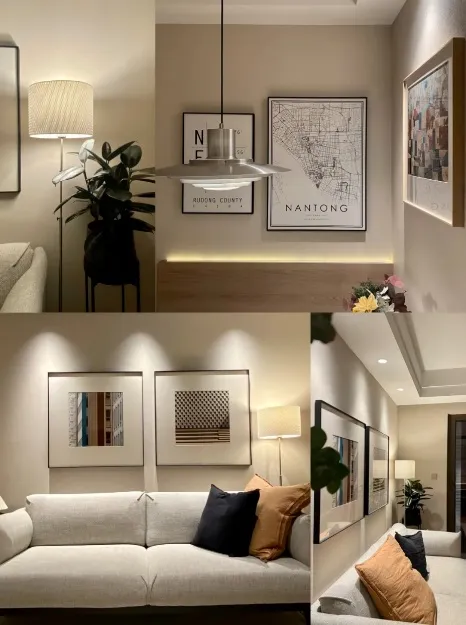
Let's be honest - your home's lighting makes or breaks the vibe. Forget those harsh overheads from your grandma's era! By 2025, residential lighting has evolved into something magical. I've dug into the latest tech and pricing so you can transform your space without lighting your wallet on fire.
Remember that flickering fluorescent tube in your garage? Yeah, we've come miles since then. Today's lighting solves real problems:
The game-changer? Smart systems that adapt to your life. More on that soon!
"Layering light" beats single sources. Combine recessed lighting for general glow with accent LEDs for drama. Budget $100-$300 per room for professional design help.
These ceiling ninjas hide in plain sight while banishing shadows. Perfect for low ceilings - they don't hang down like pendants. The 2025 upgrade? Adjustable color temperature from cozy amber to crisp daylight.
Typical Cost: $30-$120 per unit
Installation complexity accounts for price swings
Want glowing shelves or a backlit headboard? Waterproof strips now curve around any shape. Use voice commands to cycle through 16 million colors for instant mood shifts. Perfect for renters - they peel-and-stick!
Typical Cost: $10-$40 per meter
Higher-priced options include app control + scheduling
Imagine lights that follow your nighttime routine: Hallways glow as you walk to the kitchen, then dim after you pass. This isn't sci-fi - motion-sensing systems prevent stubbed toes while saving energy. Works especially well for seniors.
Typical Cost: $500-$3,000 for complete system
Consider scalability - start with key areas first
2025's showstoppers: Bamboo chandeliers and recycled glass pendants. The runway trend? Nature-inspired forms with battery backups that keep shining through blackouts. Pro design tip: Pick one bold fixture per room.
Typical Cost: $200-$1,500 per fixture
Artisan pieces cost more but become heirlooms
| Lighting Type | Entry Level | Mid-Range | Premium | What You Get |
|---|---|---|---|---|
| Recessed Lighting | $30-50 | $50-85 | $85-120+ | Basic dimming → Color tuning → Motion sensors |
| Smart LED Strips | $10-15/m | $15-25/m | $25-40+/m | Single color → Color changing → Self-adaptive brightness |
| Architectural Systems | $500-1200 | $1200-2000 | $2000-3000+ | Single-room → Whole home → Solar integration |
| Designer Fixtures | $200-350 | $350-600 | $600-1500+ | Minimalist → Interactive → Artisan materials |
That $15 recessed light and its $120 cousin seem identical until you dig deeper:
HomeKit/Google integration adds $20-$40 per bulb. But unlike 2020 systems, they actually work reliably now!
True story: I tried bending a bargain LED strip. Snapped instantly. Flexible silicone casings cost more but survive home disasters.
That China lighting manufacturer might offer identical specs at 30% less than European brands. Check certifications first though.
Skip costly smart bulbs for basic fixtures. Put smart switches ($40-$80) at room entries instead - they control multiple lights at once.
Invest in architectural solutions where you spend time (kitchen islands) but save on closets with motion-sensing strips
30% task lighting (desk lamps) + 50% ambient (recessed) + 20% accent (LED strips) = magic formula
E26/E27 sockets still rule - avoid proprietary fixtures that trap you
This isn't about chasing trends - it's about curating experiences. That warm glow welcoming you home matters more than ever. And surprisingly? The latest smart recessed lighting actually saves money long-term by adapting to your habits. Whether you opt for subtle architectural lighting solutions or bold LED statements, may your spaces always feel perfectly illuminated.
Recommend Products












