
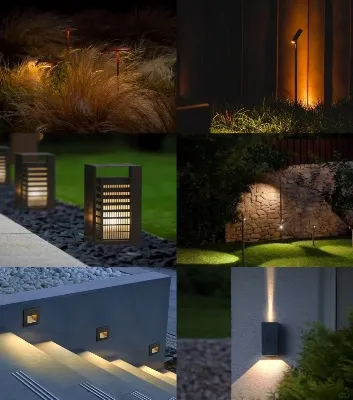
Hey folks, if you're looking to spruce up your outdoor spaces this year, garden lights are the way to go. By 2025, they're not just about lighting up paths anymore; they're all about creating moods, saving energy, and adding a personal touch to your backyard. This guide dives into the latest types and prices, so you can make smart choices without breaking the bank.
Picture this: it's a warm summer night, and you're out in the garden with friends, surrounded by soft, ambient lighting that makes everything feel magical. That's the power of modern garden lights—they transform ordinary spaces into cozy retreats. But it's not just about looks; with concerns over energy costs and environmental impact, people are opting for smarter options. Think about how solar panels integrate into setups, letting lights run independently without a single bill hike. Plus, LED lighting is stepping up big time, offering colors that pop and durability that lasts years. And if you're into landscaping, outdoor lighting helps highlight those flower beds and water features, making your yard the envy of the neighborhood. Landscape lighting, in particular, is trending because it blends beauty with functionality, guiding paths while keeping things stylish.
In 2025, trends are all about personalization and efficiency. People want their gardens to reflect their personality—whether it's through whimsical string lights or high-tech motion sensors that adjust to the weather. And let's face it, prices matter more than ever. With inflation easing but still a thing, smart shopping can save you a bundle. We'll explore all this in detail below, from the basics to the cool new stuff hitting the market.
Key Insight: Integrating solar panels with garden lights cuts costs to near zero after setup. That's a game-changer for anyone on a budget.
These are the stars of 2025 garden setups. Why? Because they harness the sun, making them super eco-friendly and wallet-friendly. They come with built-in solar panels that charge during the day and light up at dusk automatically. It's like having a free power station in your backyard. For example, many modern solar lights use efficient monocrystalline solar panels, which are smaller but way more powerful than old silicon ones. This means even on cloudy days, you get decent brightness. And no wires—just stick 'em in the ground and forget 'em. Perfect for beginners or lazy gardeners!
Sub-types include path lights for walkways (like those cute little stakes), spotlights for trees or sculptures, and string lights for overhead ambiance. They're great for any outdoor lighting project since they blend seamlessly into garden designs.
If you want vibrancy and versatility, LED lighting is your go-to. These lights are everywhere now, from path markers to decorative accents, all thanks to their low energy use and brilliant colors. In 2025, LEDs come with smart features like app control, so you can change hues or dim them from your phone—talk about convenience! They're ideal for creating mood lighting, like a soft blue glow around a pond or a warm white for dining areas. And since LED technology lasts over 50,000 hours, you won't be replacing bulbs every year. It's all about efficiency here: they draw less power than old incandescents, saving money while keeping your garden bright.
Popular types include downlights for subtle effects, uplights for dramatic shadows, and color-changing RGB LEDs for parties. They work well with landscape lighting designs, adding depth to your yard without overwhelming it.
These are the unsung heroes for serious garden enthusiasts. Low-voltage systems run on 12V power, usually from a transformer, making them safer and easier to install than high-voltage options. They're fantastic for detailed landscape lighting, like illuminating a pathway with tiny lanterns or highlighting a stone wall. In 2025, advancements mean they're more affordable and flexible, with modular setups that let you add or move lights easily. You can pair 'em with timers or sensors for automatic operation, turning your garden into a smart space. They shine in outdoor lighting setups where precision matters—think sculptural elements or garden beds.
Common varieties include bollard lights for boundaries, well lights for buried effects, and deck lights for step safety. Installation is DIY-friendly if you follow guides; otherwise, a pro can handle it quickly.
For those who love flair, decorative lights are where it's at. In 2025, we're seeing a rise in unique designs like fairy lights in waterproof casings or lanterns that mimic vintage looks. These aren't just for show—they enhance the aesthetic of any garden, turning it into a personal oasis. Landscape lighting themes often incorporate these for focal points, say a glowing orb near a seating area. And don't forget about outdoor lighting for special events; think holiday-themed LEDs or color-shifting bulbs for summer parties. The key here is fun and creativity, blending light with art to make your space stand out.
Examples include string lights for pergolas, floating lights for ponds, and weather-resistant lanterns for tables. They're easy to mix with other types, like adding solar panels to power them sustainably.
2025 Trend: Smart garden lights are booming. Many now sync with home apps, adjusting based on motion or sunset times. Combined with solar panels and LED lighting, this makes for a super-efficient setup.
Alright, let's talk dollars. Prices for garden lights have stabilized by 2025, but there's a huge range based on type, quality, and features. Solar-powered lights tend to cost a bit more upfront (thanks to those solar panels), but they save you money long-term. LED lighting is mid-range but worth it for the longevity. And decorative options? They can get fancy, but you get what you pay for in style. Remember, outdoor lighting upgrades can boost your property value, so think of this as an investment. Below, I've put together a detailed table to help you compare—scroll down for the full scoop.
| Type of Garden Light | Key Features | Average Price Range (Per Light) | Cost Factors | Best For |
|---|---|---|---|---|
| Solar-Powered Path Lights | Solar panels integrated, automatic dusk-to-dawn, LED bulbs, weatherproof | $15–$40 | Higher quality solar panels add $5–10; bulk packs lower cost. | Walkways, borders, eco-friendly setups with landscape lighting |
| LED Spotlight/Uplight | High-intensity LEDs, adjustable angles, smart connectivity options | $25–$70 | Smart features (e.g., app control) can push to $80+; basic models cheaper. | Highlighting plants, sculptures, outdoor lighting for events |
| Solar String Lights | Flexible designs, color-changing LEDs, solar rechargeable | $20–$60 for 20-foot sets | Length and bulb count affect price; integrated solar panels add value. | Decorative overheads, parties, integrating with garden themes |
| Low-Voltage Kit (with transformer) | Includes multiple lights, transformer, DIY wiring kit | $100–$300 for a starter kit (6–10 lights) | Transformer quality matters; add $20–50 per extra light. Pro install adds $50–150. | Professional landscape lighting, permanent installations |
| Decorative Lanterns/Orbs | Artistic designs, weather-resistant, optional solar or battery | $30–$100 each | Materials like metal vs. plastic; smart versions cost more. | Centerpieces, focal points, blending with outdoor lighting aesthetics |
| Smart LED Systems | App integration, motion sensors, voice control, solar-compatible | $50–$120 per light | Tech features inflate cost; bundles save money. Energy savings offset price. | High-tech gardens, security with lighting solar lights |
So, what's driving these prices? Well, material costs have eased since the supply chain snags of the early 2020s, but innovation isn't cheap. High-efficiency solar panels and advanced LED chips add a few bucks, but they pay off in reliability. If you're on a tight budget, start with solar path lights—they're cheap to run and set up. Splurge on LED lighting for key spots like seating areas; the colors and effects are worth it. And for landscape lighting projects, go with kits to save versus buying singles. Overall, expect to spend $50–$300 on a basic setup, $300–$800 for a mid-range garden, and over $1000 for a full smart system. It's all about balancing cost with your vision.
Tip: Always factor in installation. Solar and LED options are DIY-friendly, but low-voltage might need help—a pro can save you headaches with wiring.
By 2025, garden lighting isn't just functional; it's smart, sustainable, and downright cool. A big trend is the fusion of outdoor lighting with green tech. Solar panels are getting smaller and more efficient, so lights charge faster and last longer. Plus, LED lighting continues to evolve, with bulbs that mimic natural light for better plant growth—yes, some folks use 'em in veggie gardens! Landscape lighting is also leaning toward personalization; think modular systems you can expand over time. Another hot topic is connectivity: lights sync with weather apps to dim on rainy nights or brighten for gatherings. It's all about making your yard adaptable and eco-conscious.
Looking ahead, expect more innovations in materials, like biodegradable casings or lights powered by wind and sun combo. Prices will keep dropping as tech scales up, so jump in now if you've been waiting. And if you're sourcing gear, explore local suppliers—many now offer discounts for sustainable products.
Are solar garden lights reliable in cloudy areas?
Absolutely! Most 2025 models have efficient solar panels that store enough juice for a few cloudy days. Stick with brands that specify 15–20% efficiency for the best results.
How long do LED garden lights last?
Typically 5–10 years, thanks to LED technology. Just keep 'em clean to avoid dust buildup affecting brightness.
What's the cheapest way to light a large garden?
Go solar-powered with path lights—they're affordable per unit and save on electricity. Bulk packs on sale can cut costs further.
Can garden lights be used with home automation?
Yep, many smart LED systems integrate with platforms like Alexa or Google Home. Set schedules or control brightness via app, enhancing your landscape lighting experience.
So there you have it—a deep dive into the exciting world of garden lights for 2025. From solar-powered wonders to brilliant LEDs, there's something for every style and budget. Prices are reasonable, especially with options like solar panels cutting long-term costs, and the variety in outdoor lighting ensures your space reflects your personality. Landscape lighting trends make it easy to start small and expand. Remember, choosing the right lights isn't just about brightness; it's about creating memories under the stars. Happy gardening, and here's to a brighter, more beautiful yard!
Recommend Products












