
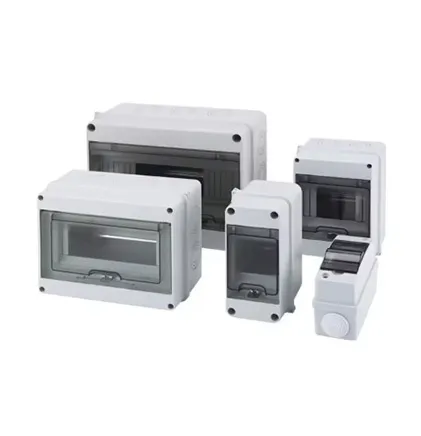
Your practical guide to smart power solutions for modern buildings
Ever walked into a room and flipped a switch without thinking about what makes the lights come on? That's the magic of a well-designed electrical system. At the heart of this system lies the humble distribution box - your building's nerve center for electricity. With building materials evolving rapidly and power demands increasing, choosing the right distribution box has never been more crucial.
Today's distribution boxes do far more than just split circuits. They manage energy flow like traffic controllers, prevent electrical fires, and increasingly connect to smart home systems. Whether you're wiring a cozy studio apartment or outfitting a commercial complex with advanced electrical equipment, understanding these unsung heroes can save you money and headaches down the line.
Modern boxes automatically cut power during surges before damage reaches your expensive appliances or wiring.
Track electricity use room-by-room right from your smartphone, identifying vampire devices.
Modular systems let you add circuits for electric vehicles or solar panels without rewiring.
The electrical equipment landscape has exploded with innovation since those metal boxes with simple fuses. Modern distribution solutions range from weatherproof outdoor units to smart hubs that communicate with your utility company.
| Distribution Box Type | Best For | Key Components | Installation Notes |
|---|---|---|---|
| Main Distribution Units | Residential/commercial mains | Main circuit breakers, surge protectors | Requires certified electrician; central location |
| Sub-Distribution Panels | Building expansions, floor-level | Secondary breakers, monitoring ports | Connects to main unit; ideal for renovations |
| Weatherproof Enclosures | Outdoor lighting, pool areas | IP65+ rated casing, moisture sensors | Must use marine-grade wiring and cables |
| Smart Power Centers | Modern smart homes/offices | IoT sensors, WiFi modems, USB ports | Needs dedicated network connection |
|
Specialized Units
(Data centers, hospitals) |
Critical infrastructure | Redundant systems, backup power input | Requires professional assessment |
For complex commercial wiring systems running control cables across facilities, modular distribution units prevent the "spaghetti junction" effect. These organized setups make troubleshooting manageable - no more tracing wires randomly through ceilings!
While distribution box prices depend heavily on capacity and features, we've tracked emerging patterns. Expect these price points when budgeting for 2025 installations:
| Box Type | Entry Level | Mid-Range | Advanced | Notes |
|---|---|---|---|---|
|
Standard Home Unit
(12-24 circuits) |
$150-$300 | $350-$650 | $800-$1,500 | Smart features jump the price |
|
Commercial Panel
(30-60 circuits) |
$600-$1,200 | $1,500-$3,000 | $3,500-$8,000 | Monitoring systems add 20-40% |
| Outdoor Enclosure | $250-$500 | $700-$1,200 | $1,500-$2,500 | Heating/cooling options included |
|
Sub-Panels
(8-16 circuits) |
$90-$180 | $200-$450 | $500-$900 | Prices climb with circuit types |
| Premium Components | Breakers: $10-$25 | Surge protectors: $50-$150 | IoT modules: $120-$300 | Buy during bulk promotions |
Quality power cables make or break your electrical system. Modern copper-aluminum hybrids offer conductivity at lower cost while meeting stricter fire codes. When upgrading distribution boxes, consider:
Neglecting cabling quality creates vulnerabilities. That flickering light might not be your bulb!
Pro tip: Many Chinese cable manufacturers now offer IEC-certified materials at 15-30% savings over European equivalents. With supply chains stabilizing, 2025 could be the best time for cost-efficient upgrades.
Looking beyond 2025, distribution systems will transform from passive boxes into intelligent energy managers:
Boxes will detect cable damage and reroute power without human intervention, minimizing downtime.
Built-in batteries storing solar power for peak-demand usage will become standard.
Sensors monitoring vibration, heat, and moisture will schedule repairs before failures.
The convergence of electrical equipment and digital systems represents the biggest shift. Your distribution box might soon text you: "Circuit 7 drawing 20% extra power - check fridge settings!"
Savvy homeowners and builders are planning now for this infrastructure. Running extra conduit during construction costs pennies today versus thousands later when installing advanced systems.
Selecting distribution boxes requires balancing current needs with future possibilities. Consider these factors:
Don't forget compatibility with existing infrastructure. That specialized European box might look sleek but could require entirely new conduit systems and adapters.
For complex commercial installations, remember that specialized electrical equipment handling control cables and power management systems needs certified technicians for calibration. What looks like a small box controls your entire building ecosystem.
The silent revolution in electrical control is well underway. From basic metal boxes to AI-powered energy hubs, distribution systems are becoming the unseen foundation of smart buildings. Prices might seem steep for advanced units, but they pay dividends in safety and convenience.
As 2025 approaches, planning today ensures your infrastructure doesn't become tomorrow's bottleneck. Whether installing a simple sub-panel or overhauling a building network, remember: the true value isn't just in the box itself, but in the seamless electricity flow it enables for everything else.
Recommend Products












