
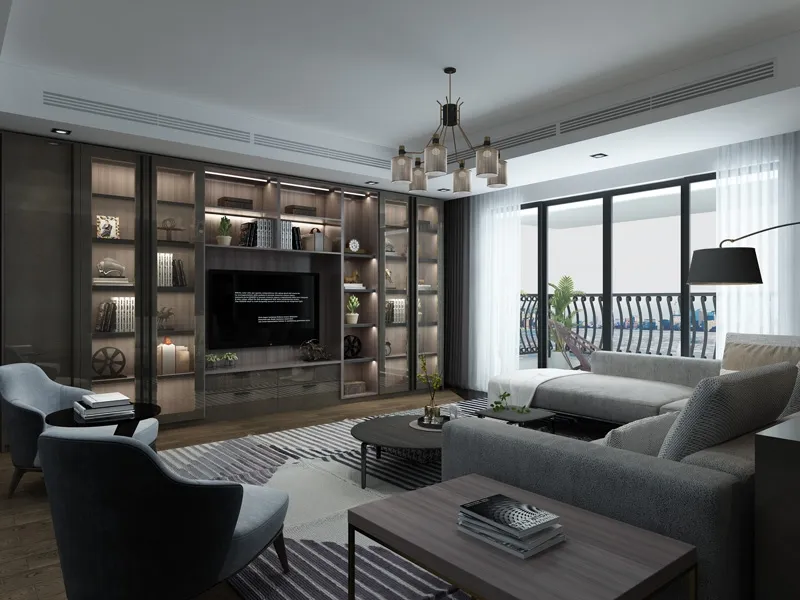
Did you know your TV cabinet affects far more than just aesthetics? Beyond storing electronics, it shapes room flow, dictates storage solutions, and even impacts your viewing experience. Modern entertainment units have transformed from simple wooden boxes into multifunctional design pieces blending tech integration with artistic expression.
Living rooms evolve around entertainment centers like planets orbiting the sun. This one piece anchors your electronics, showcases decor, and sets your interior’s visual rhythm. But beyond being furniture, TV cabinets create atmosphere—they're daily companions to movie nights, game sessions, and quiet evenings.
China's manufacturing landscape pulses with innovation. Factories blend centuries-old woodworking traditions with smart technology integrations. Consider this: while Western markets see TV cabinets as functional items, Chinese designers treat them as signature art pieces. Spaces transform through floating wall units that defy gravity or cabinet-lift mechanisms emerging from countertops.
This revolution includes responsive ventilation systems hiding in minimalist frames and cable management that turns tangled wires into invisible flows. Sustainability has become central too – bamboo composites, recycled aluminum, and low-VE finishes are industry standards, not exceptions.
Oak and walnuts create timeless foundations with grain patterns whispering nature's touch. Modern manufacturers elevate these classics with moisture-resistant treatments preventing warping in humid climates.
Brushed stainless steel frames and powder-coated iron legs give industrial chic appeal while bearing heavy loads – perfect for 85-inch screens needing rock-solid support.
The new darling of luxury units. Heat, scratch, and stain-resistant surfaces mimic marble veining without maintenance nightmares. Bonus: they're manufactured to perfection without the natural stone lottery.
WPC (Wood-Plastic Composite) leads the eco-charge using sawdust and recycled plastics. Surprisingly durable and weather-resistant, these suit sun-drenched rooms where traditional wood may fade.
Bulky particleboard units swallowed enormous CRT TVs. Adjustable shelving? Forget it. Cable management meant holes drilled through particleboard with wires dangling behind.
As plasma/LCD panels slimmed down, cabinets followed. Height-adjustable mounts appeared alongside glass display shelves for DVD collections. Wire channels became standard.
The "less is more" movement birthed floating designs and integrated LED lighting. Hidden compartments housed WiFi routers while ventilation slots got clever disguises.
Now we see modular systems expanding with your needs. Picture this: start with basic storage then add wine racks, display cubes, or even pull-out work desks as life changes. Lift mechanisms transform coffee tables into TV stands with the touch of a button.
What matters most isn't keeping up with trends – it’s understanding how TV cabinets bridge technology and life. Your choice influences daily habits like where you charge devices or how guests interact with your space. Choose pieces that feel less like furniture and more like partners shaping routines.
Leading manufacturers like Stoniture combine robotics with artisan oversight. Here's how premium units come to life:
Buying sight-unseen? Protect yourself with these professional verifications:
The screen center should land at seated eye-level plus 25 degrees down for neck comfort – typically 22-28 inches from floor level.
Load-bearing requirements vary! Concrete walls need anchors holding 50kg (110lbs), drywall demands stud-mounted brackets capable of 80kg (175lbs). Always verify.
New solutions have arrived. Stick-on cord channels blend with wall colors while magnet-attached fabric sleeves create “floating” wire paths needing no hardware.
The industry's transformation includes bamboo harvesting techniques stimulating re-growth faster than traditional timber and water-based coatings reducing VOC emissions by 90%. Several large manufacturers now operate carbon-neutral plants using solar power.
The future whispers of AI integrations – picture cabinets sensing when you enter, automatically rising to viewing height with ambient lighting adjusting to match screen brightness. Health tech may become incorporated too: imagine standing reminders or air quality monitors in your entertainment hub.
China's role here is evolving from pure manufacturing into collaborative innovation. Increasingly, factories partner with European designers to blend minimalist Scandinavian aesthetics with Asia’s engineering rigor. The result? Pieces respecting spatial harmony while handling technology’s relentless evolution.
Ultimately your TV cabinet forms more than decor – it's a design anchor reflecting how you live. As factories push possibilities, they create not just furniture but experiences where function and beauty coexist flawlessly.
Recommend Products












