
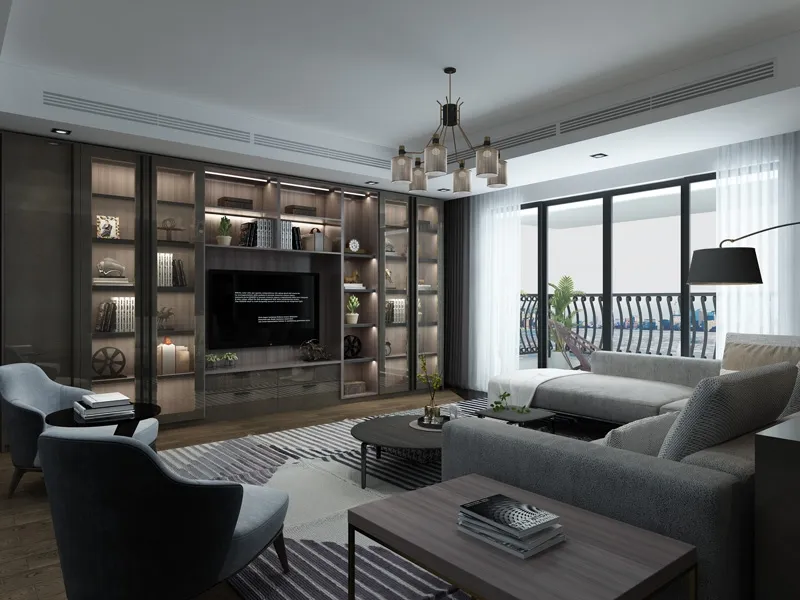
In the world of commercial design, every piece of furniture serves a purpose beyond function—it shapes experiences, reinforces brand identity, and transforms spaces into stories. TV cabinets, often overlooked as mere "screen holders," play a surprisingly pivotal role in this narrative, especially in high-traffic areas like hotel lobbies and office lounges. They're not just about displaying a screen; they're about balancing aesthetics with utility, blending into the environment while standing out as intentional design choices. Let's dive into how these unsung heroes elevate two of the most critical commercial spaces, and why the right approach—think tailored designs and thoughtful material selections—can turn a basic cabinet into a space-defining element.
A hotel lobby is more than a waiting area; it's the first chapter of a guest's stay. From the moment someone walks through the door, every detail—lighting, furniture, even the way information is presented—contributes to whether they feel welcome, impressed, or indifferent. TV cabinets here carry the weight of that first impression, often doubling as information hubs, brand showcases, or even focal points that tie the room's design together.
Luxury hotels, for example, rarely opt for generic, off-the-shelf TV cabinets. Instead, they lean into designs that mirror their brand's personality. A boutique hotel with a rustic-chic vibe might choose a cabinet with warm, textured wood grains that echo the property's mountainous location, while a modern, minimalist hotel in the city could go for sleek lines and matte finishes that complement its glass-and-steel architecture. This is where tailored design solutions shine—they ensure the TV cabinet doesn't just hold a screen, but becomes part of the hotel's visual storytelling.
Take a beachfront resort in Saudi Arabia, for instance. Its lobby features a TV cabinet that wraps around a central pillar, with a curved silhouette mimicking ocean waves. The material? A wood grain finish that's both durable and inviting, making guests feel instantly connected to the coastal setting. The screen embedded in this structure doesn't blare ads; instead, it cycles through slow-motion footage of sunsets over the sea and local cultural highlights—turning the cabinet into a silent concierge that introduces guests to the destination before they even check in.
Hotel lobbies are busy places, and clutter is the enemy of a polished first impression. A well-designed TV cabinet here needs to do more than hold a TV; it should hide unsightly cables, store brochures, or even house small amenities like charging stations for guests. Some hotels integrate hidden compartments into their cabinets—drawers for maps, shelves for local magazines, or built-in USB ports that let travelers charge their phones while they wait. This level of practicality ensures the space stays tidy, even during peak check-in times.
Another key consideration? Adaptability. Lobbies often host events—from small receptions to corporate meetups—and the TV cabinet should be able to adapt. A modular design, for example, might allow parts of the cabinet to be repositioned or folded away, creating extra space when needed. Or, the cabinet could feature a motorized screen that retracts when not in use, turning the structure into a simple, elegant console table that blends into the background.
Hotel lobbies see a lot of foot traffic, so the materials used for TV cabinets need to withstand daily wear and tear. Scratches, spills, and the occasional bump from luggage are inevitable, which is why many designers opt for robust yet visually appealing options. Wood grain series solutions, for example, offer the warmth of natural wood without the maintenance headaches—they're resistant to moisture, easy to clean, and retain their color even with prolonged exposure to sunlight. For hotels in busier urban areas, where durability is non-negotiable, some choose high-pressure laminates or even stone accents that add texture without sacrificing longevity.
Hygiene is another factor, especially in family-friendly hotels or those catering to business travelers. Cabinets with smooth, non-porous surfaces are easier to sanitize, reducing the spread of germs. A hotel near a convention center might pick a cabinet with a porcelain slab tile finish for its countertop area—not only does it resist stains from spilled coffee, but it also adds a sleek, professional look that aligns with the space's business-oriented clientele.
If hotel lobbies are about first impressions, office lounges are about fostering connection. These spaces are where employees take breaks, brainstorm informally, or host quick meetings—they're the "living rooms" of the workplace, designed to reduce stress and encourage collaboration. TV cabinets here have a softer role than in hotels; they're less about making a statement and more about creating a relaxed, home-like atmosphere that makes people feel comfortable enough to unwind or chat.
Office lounges aren't meant to feel like conference rooms. They're spaces where employees can kick back, watch a quick news segment, or even catch up on a sports game during lunch. TV cabinets here should feel inviting, not institutional. Think lower profiles, cozy materials, and designs that blend into the background rather than dominate the room. A common trend is to place the TV cabinet against a wall with built-in bookshelves or plants, creating a "nook" that feels separate from the rest of the office—like a little escape within the workplace.
Consider a tech startup in a modern office building. Its lounge features a TV cabinet made from light-toned wood grain panels, paired with plush sofas and soft lighting. The screen is mounted at eye level for someone sitting down, and the cabinet itself has open shelves filled with board games, company swag, and even a few potted succulents. It's not just a place to watch TV; it's a hub that encourages employees to linger, chat, and build relationships—something that's hard to quantify but invaluable for team morale.
Office dynamics shift constantly. One day, the lounge might be quiet with employees reading or taking calls; the next, it could host a team lunch with 20 people. TV cabinets in these spaces need to be flexible enough to adapt. Some companies opt for mobile cabinets on wheels, so the TV can be moved to different corners of the lounge depending on the activity. Others choose cabinets with fold-down or adjustable shelves that can be reconfigured to hold snacks during a team event or extra seating when the lounge gets crowded.
Another consideration is content. Unlike hotel lobbies, where the TV might play pre-programmed content, office lounge TVs often need to be interactive. Employees might want to connect their laptops to present a quick idea, stream a training video, or even host a virtual team quiz. TV cabinets here often include built-in HDMI ports, wireless casting capabilities, or sound systems that ensure everyone can hear—turning the cabinet into a mini media center that supports both work and play.
Office lounges see heavy, daily use, so the TV cabinet needs to stand up to coffee spills, scuffs from office chairs, and the occasional "oops" when someone bumps into it. Materials like high-quality wood grain laminates or WPC (wood-plastic composite) panels are popular choices here—they're scratch-resistant, easy to wipe clean, and don't fade or warp over time. A marketing agency in Dubai, for example, has a lounge TV cabinet made from WPC panels with a wood grain finish that looks like natural oak but can withstand spills from the daily coffee runs and the roughhousing of team-building activities.
| Aspect | Hotel Lobby TV Cabinets | Office Lounge TV Cabinets |
|---|---|---|
| Primary Goal | Make a strong first impression; reinforce brand identity | Encourage relaxation and informal connection |
| Design Focus | Statement-making; aligns with hotel's aesthetic (e.g., luxury, rustic, modern) | Inviting, low-profile; blends with lounge's cozy vibe |
| Key Features | Information hubs, hidden storage, brand storytelling elements | Interactive tech, flexible shelving, casual storage (games, snacks) |
| Material Trends | Wood grain finishes, porcelain slabs, stone accents | WPC panels, scratch-resistant laminates, light-toned wood grains |
| Content Use | Brand content, local highlights, welcome messages | News, sports, interactive content (presentations, quizzes) |
Whether in a hotel lobby or an office lounge, TV cabinets are far more than functional pieces—they're tools that shape how people experience a space. In hotels, they set the tone for a guest's stay, blending brand identity with practicality. In offices, they foster connection and relaxation, making the workplace feel more human. The key to getting them right? It lies in understanding the space's unique needs and leaning into solutions that prioritize both form and function.
From the warm wood grains that make a hotel lobby feel like a home away from home to the flexible, durable designs that turn an office lounge into a hub of collaboration, the best TV cabinets are those that don't just serve a purpose—they enhance the spaces they're in. And in a world where commercial design is all about creating memorable experiences, that's not just a nice-to-have; it's essential.
Recommend Products












