
Picture this: It's a rainy Sunday evening, and you're curled up with a book, enjoying the quiet. Suddenly, you hear a faint drip—drip—drip. You follow the sound to the basement, flip on the light, and your heart sinks. A puddle is spreading across the floor, soaking the boxes of family photos you'd stored there. The culprit? A cracked pipe, hidden behind the wall, that's been slowly leaking for weeks. By morning, you're facing thousands in repairs, a mold scare, and the stress of disrupting your daily life. Sound familiar? For too many homeowners and business owners, plumbing disasters aren't just stories—they're expensive, avoidable realities.
The truth is, plumbing is the unsung hero of any building. It's the silent network that keeps water flowing where it should, and keeps your space dry, clean, and functional. But like any hero, it relies on the right tools—and when it comes to pipes, there's no room for compromise. That's where a trusted UPVC pipe supplier steps in. Not just someone who sells pipes, but a partner who understands that every fitting, every valve, and every inch of tubing plays a role in protecting what matters most to you.
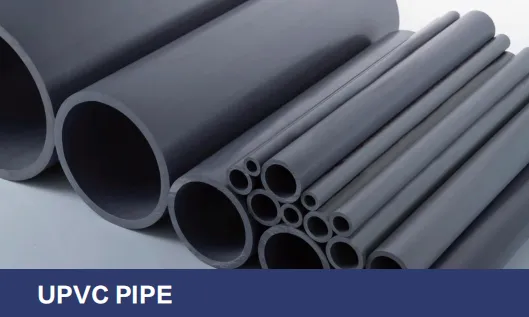
You've probably heard the term "UPVC" thrown around, but what makes these pipes so special? Let's start with the basics: UPVC, or Unplasticized Polyvinyl Chloride, is a rigid, durable plastic that's been revolutionizing plumbing for decades. Unlike regular PVC (which can contain plasticizers that make it flexible but less stable), UPVC is tough, chemical-resistant, and built to last. But don't just take my word for it—ask any plumber worth their salt, and they'll tell you: when it comes to long-term reliability, UPVC is hard to beat.
Real Talk: A few years back, I worked with a homeowner named Maria who'd just moved into her first house—a charming 1950s bungalow with "character," as the realtor put it. What the realtor didn't mention? The original galvanized steel pipes, which had corroded so badly, they were leaking under the kitchen sink. Maria tried patching them, but within months, another leak popped up in the bathroom. Frustrated, she called a plumber, who recommended replacing the entire system with UPVC pipes. "Won't that be expensive?" she asked. The plumber smiled and said, "Not as expensive as replacing your floors every year." Today, five years later, Maria's plumbing is leak-free. "I don't even think about my pipes anymore," she told me recently. "And that's the best part."
So, what makes UPVC stand out from other pipe materials? Let's break it down:
A great UPVC pipe supplier knows that plumbing isn't just about pipes—it's about the entire system working in harmony. That's why the best suppliers don't stop at UPVC. They offer a full range of products to ensure your project runs smoothly, from start to finish. Think pipes fittings that snap together perfectly, plastic valve systems that control water flow with precision, and even specialized options like PPR pipes for hot water applications. When you work with a one-stop supplier, you're not just getting parts—you're getting peace of mind that every component is designed to work together, reducing the risk of leaks, pressure issues, or compatibility headaches.
Take, for example, pipes fittings. A loose elbow or a misaligned tee might seem like a small problem, but even the tiniest gap can lead to a slow leak that wreaks havoc over time. A trusted supplier will stock fittings made from the same high-quality UPVC as their pipes, ensuring a tight, secure seal every time. And when it comes to plastic valve systems? These little workhorses control the flow of water to sinks, toilets, and appliances—so you need ones that won't stick, corrode, or fail when you need them most. The right supplier tests every valve for durability, ensuring they can handle the pressure (literally and figuratively) of daily use.
Then there's PPR pipe and fitting solutions—perfect for hot water lines, like those in your kitchen or bathroom. PPR (Polypropylene Random Copolymer) is heat-resistant, making it ideal for carrying hot water without warping or weakening. A supplier that offers both UPVC and PPR pipes gives you the flexibility to choose the right material for every part of your project, whether it's a cold water line in the basement or a hot water heater connection.
With so many pipe options on the market, how do you know which one is right for your project? Let's break down the key players—UPVC, PPR, and PEX (another popular choice)—to help you decide. This isn't just about specs; it's about matching the pipe to your needs, your budget, and your long-term goals.
| Feature | UPVC Pipes | PPR Pipes | PEX Pipes |
|---|---|---|---|
| Material | Unplasticized Polyvinyl Chloride (rigid plastic) | Polypropylene Random Copolymer (semi-rigid plastic) | Cross-Linked Polyethylene (flexible plastic) |
| Temperature Resistance | Best for cold water (up to 40°C/104°F) | Hot water friendly (up to 95°C/203°F) | Extreme temperature range (-40°C to 95°C/-40°F to 203°F) |
| Pressure Rating | High (ideal for municipal water systems) | Moderate to high (great for residential hot water) | Moderate (excellent for radiant heating systems) |
| Installation | Glued or threaded connections (permanent, secure) | Heat-fused joints (leak-proof, seamless) | Crimp or clamp fittings (quick, flexible for tight spaces) |
| Best For | Cold water supply lines, drainage (DWV), commercial plumbing | Hot water lines, kitchen/bathroom plumbing, residential projects | Radiant floor heating, residential water lines, retrofits |
See the pattern? Each pipe has its superpower—and a trusted supplier will help you pick the right one for the job. Whether you're building a new home, renovating a restaurant, or upgrading a hospital's plumbing, having access to all these options under one roof saves you time, money, and the hassle of coordinating with multiple vendors.
So, what separates a "supplier" from a "trusted partner"? It's not just about selling products—it's about standing behind them. When you're shopping for UPVC pipes (or any plumbing supplies, for that matter), here are the red flags to avoid and the green flags to celebrate:
A few years ago, a local hotel was struggling with constant plumbing issues. Their guest rooms kept springing leaks, leading to complaints, last-minute room swaps, and a growing maintenance bill. The problem? They'd cut costs by buying cheap, uncertified pipes from a no-name supplier. After months of headaches, they reached out to us (yes, we're that trusted supplier) for help. We didn't just sell them new UPVC pipes—we sent a technician to inspect their entire system, recommended a mix of UPVC for cold water lines and PPR for hot water, and even helped their maintenance team with installation tips. Today, that hotel hasn't had a single plumbing emergency in over three years. "We should have called you sooner," their manager told me. "The peace of mind alone was worth every penny."
It's tempting to opt for the cheapest pipes you can find. After all, a few dollars saved per foot adds up, right? But here's the harsh truth: cheap pipes are a false economy. Let's do the math. Suppose you're building a 2,000-square-foot home and need 200 feet of pipe. A no-name brand might cost $2 per foot ($400 total), while a quality UPVC pipe from a trusted supplier costs $3 per foot ($600 total). At first glance, you're "saving" $200. But if that cheap pipe cracks in five years, you're looking at $5,000 in water damage, $1,000 in repairs, and the stress of living in a construction zone. Suddenly, that $200 "savings" feels like a very bad deal.
And it's not just about money. Inferior pipes can leach chemicals into your water supply, posing health risks to your family or customers. They're more likely to clog, leading to slow drains and backups. They can even fail during extreme weather—like a cold snap—leaving you without water when you need it most. When you invest in quality UPVC pipes from a trusted supplier, you're not just buying pipes—you're buying decades of worry-free plumbing. It's an investment in your home, your business, and your peace of mind.
At the end of the day, trust is earned—and we've spent years earning it. Here's a peek behind the curtain at how we ensure every pipe, fitting, and valve that leaves our warehouse is ready to perform:
Plumbing might not be the most glamorous part of building or maintaining a space, but it's one of the most important. A single leak can turn a dream home into a nightmare, or a thriving business into a construction zone. But it doesn't have to be that way. With the right UPVC pipe supplier by your side—one who offers quality products, expert support, and a commitment to your success—you can build a plumbing system that's as reliable as the people who use it.
So, the next time you're planning a project—whether it's a bathroom remodel, a new office building, or just replacing a few old pipes—remember: this isn't just about pipes. It's about protecting your home, your business, and the moments that make life worth living. And that's a job for someone you can trust.
Ready to stop worrying about leaks and start enjoying peace of mind? Let's talk. Your plumbing system deserves the best—and so do you.
Recommend Products












