
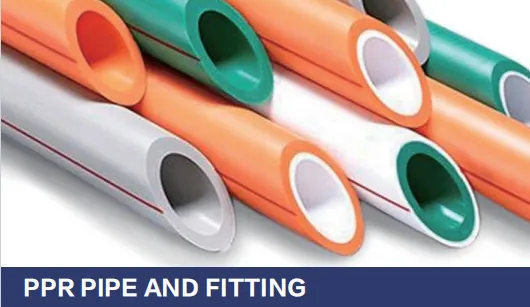
Every building, whether a cozy home or a bustling commercial complex, relies on a network of systems working in harmony. Among these, plumbing stands as the silent backbone—quietly ensuring water flows where it's needed, waste is efficiently removed, and daily life proceeds without a hitch. Yet, the reliability of this backbone hinges on one critical choice: the materials used. In a market flooded with options, finding a partner that delivers quality, durability, and peace of mind becomes more than a transaction; it becomes a cornerstone of successful construction. For decades, leading contractors, architects, and developers have turned to trusted PPR pipe and fitting suppliers to lay the groundwork for plumbing systems that stand the test of time. As a residential building materials supplier and commercial building materials supplier, these providers don't just sell products—they deliver solutions that transform blueprints into functional, resilient spaces.
Polypropylene Random Copolymer (PPR) pipes and fittings have revolutionized the plumbing industry, and for good reason. Unlike traditional materials that falter under pressure, temperature fluctuations, or chemical exposure, PPR brings a unique blend of strength and flexibility to the table. Imagine a material that resists corrosion from harsh water conditions, handles hot water temperatures up to 95°C (203°F) without warping, and forms leak-proof joints that last decades. That's PPR in action. It's the reason why homeowners stop worrying about burst pipes in winter, why hospitals can rely on sterile water delivery, and why commercial buildings minimize maintenance costs year after year.
But PPR's benefits go beyond durability. Its lightweight nature makes installation faster and more cost-effective, reducing labor hours on site. The heat-fused joints eliminate the risk of leaks—a common headache with threaded or glued connections—and the smooth inner surface prevents sediment buildup, ensuring consistent water flow and reducing the need for frequent repairs. For a one-stop architectural solution provider, PPR pipes and fittings are more than a product line; they're a versatile tool that adapts to diverse project needs, from high-rise residential towers to sprawling industrial complexes.
| Material | Temperature Resistance | Durability | Installation Ease | Cost-Effectiveness | Common Applications |
|---|---|---|---|---|---|
| PPR | Up to 95°C (continuous use) | 50+ year lifespan; corrosion-resistant | Heat-fused joints; no special tools needed | Mid-range upfront cost; low long-term maintenance | Residential plumbing, commercial buildings, hospitals, schools |
| PVC | Up to 60°C | 25-30 years; prone to brittleness in cold | Glued joints; requires precise cutting | Low upfront cost; higher replacement frequency | Drainage systems, cold water lines |
| Copper | Up to 100°C | 50+ years; susceptible to corrosion in acidic water | Soldered joints; requires skilled labor | High upfront cost; expensive repairs | Premium residential, historical buildings |
| UPVC | Up to 45°C | 30-40 years; rigid, limited flexibility | Threaded or glued joints; heavy to handle | Moderate upfront cost; limited temperature use | Irrigation, cold water supply lines |
As a residential building materials supplier, the focus is on creating spaces that feel like home—safe, comfortable, and built to last. PPR pipes and fittings align perfectly with this vision. For new homeowners, the last thing they want is to deal with plumbing issues shortly after moving in. A trusted supplier understands this, which is why they prioritize materials that reduce the risk of leaks, minimize noise from water flow, and stand up to the daily demands of family life. Whether it's a small apartment or a sprawling villa, PPR systems adapt to the layout, ensuring efficient water distribution to kitchens, bathrooms, and laundry rooms.
On the commercial side, as a commercial building materials supplier, the stakes are even higher. A single plumbing failure in a hotel, hospital, or office complex can disrupt operations, inconvenience customers, and lead to costly downtime. PPR pipes and fittings rise to this challenge with their robust design and ability to handle high-pressure systems. Take hospitals, for example: sterile water delivery is non-negotiable. PPR's smooth, non-porous surface prevents bacterial growth, making it ideal for medical facilities where hygiene is paramount. Similarly, in schools, where safety is a top concern, PPR's resistance to chemical corrosion ensures that water remains clean and safe for students and staff.
What sets a leading PPR pipe and fitting supplier apart is their commitment to being more than just a vendor—they're a one-stop architectural solution provider. This means offering not only high-quality PPR products but also a comprehensive range of complementary materials. From wall panels to flooring solutions, they understand that construction projects require coordination across multiple systems. By streamlining the supply chain, they save contractors time, reduce logistical headaches, and ensure consistency in quality across every aspect of the build.
Behind every reliable PPR pipe and fitting is a rigorous process of material selection, manufacturing, and testing. The best suppliers start with virgin polypropylene resin, avoiding recycled materials that can compromise strength and durability. This resin is then mixed with stabilizers and additives to enhance heat resistance and impact strength, creating a compound that meets international standards like ISO 15874 and DIN 8077/8078.
The manufacturing process itself is a blend of precision and technology. Advanced extrusion lines shape the pipes with consistent wall thickness, ensuring uniform pressure resistance. Fittings are molded using high-pressure injection techniques, resulting in seamless connections that eliminate weak points. But the true mark of quality comes after production: every batch of pipes and fittings undergoes testing. Hydraulic pressure tests simulate decades of use, while thermal cycling tests ensure performance in extreme temperature conditions. Tensile strength tests check for flexibility, and chemical resistance tests verify compatibility with common water treatments.
For contractors and developers, this attention to detail translates to peace of mind. When you choose a supplier that invests in quality control, you're not just buying pipes—you're investing in a system that will perform reliably for decades. This is especially critical in regions like Saudi Arabia, where extreme temperatures and water quality variations demand materials that can withstand harsh conditions. As a Saudi Arabia building materials supplier, understanding local needs is key, and PPR systems are engineered to thrive in such environments, making them a popular choice for both residential and commercial projects across the country.
In the construction industry, success depends on more than just delivering products on time. It depends on trust—trust that the materials will perform as promised, trust that the supplier will stand behind their products, and trust that they'll be there to support you when challenges arise. A trusted PPR pipe and fitting supplier recognizes this, which is why they prioritize customer relationships just as much as product quality.
Take, for example, a residential developer working on a large housing project. They need a supplier who can not only meet bulk orders but also provide technical support. Maybe they're unsure about the best PPR fitting for a specific corner in the plumbing layout, or they need guidance on installation techniques to maximize efficiency. A responsive supplier will assign a dedicated team to answer questions, offer on-site training, and even help troubleshoot issues. This level of support turns a transaction into a partnership, where both parties work together to ensure the project's success.
For commercial projects, the stakes are often higher, with tighter deadlines and stricter regulatory requirements. A one-stop architectural solution provider simplifies this by offering end-to-end support, from initial material selection to post-installation follow-up. Imagine a hospital construction project where every component must meet Class A fire safety standards and hygienic requirements. The supplier doesn't just deliver PPR pipes; they coordinate with other material providers to ensure compatibility, provide documentation for regulatory compliance, and even assist with inspections. This holistic approach reduces stress for contractors and ensures that the final building meets all safety and functionality standards.
In today's world, construction isn't just about building structures—it's about building responsibly. Sustainability has become a key consideration for developers, homeowners, and governments alike, and plumbing materials are no exception. PPR pipes and fittings excel in this area, offering a eco-friendly alternative to traditional materials.
First, PPR is 100% recyclable at the end of its lifespan, reducing waste in landfills. Unlike copper, which requires energy-intensive mining and refining, PPR production has a lower carbon footprint. Additionally, PPR's smooth inner surface reduces water flow resistance, lowering the energy needed to pump water through the system. Over time, this translates to lower utility bills for homeowners and businesses, making PPR a sustainable choice both environmentally and economically.
Leading suppliers take sustainability a step further by adopting green manufacturing practices. They invest in energy-efficient production facilities, reduce water usage in manufacturing, and minimize packaging waste. Some even offer take-back programs for old pipes, ensuring that they're recycled rather than discarded. For developers aiming to achieve green building certifications like LEED or BREEAM, partnering with such a supplier is a strategic choice that aligns with their sustainability goals.
Plumbing needs vary from region to region, shaped by climate, building codes, and cultural preferences. A truly global PPR pipe and fitting supplier understands this, which is why they combine international expertise with local knowledge. Whether it's a residential project in a small town or a commercial complex in a major city, they tailor their solutions to meet the unique demands of each market.
In Saudi Arabia, for instance, where high temperatures and hard water are common, the supplier offers PPR pipes with enhanced heat resistance and additives that prevent scale buildup. In colder climates, they provide insulation options to protect pipes from freezing. For emerging markets, they focus on cost-effective solutions that don't compromise quality, making safe plumbing accessible to more communities. This ability to adapt to local needs is what makes them a preferred residential building materials supplier and commercial building materials supplier across continents.
Beyond product adaptation, local presence matters. A supplier with regional offices and distribution centers can ensure faster delivery times, reducing project delays. They also stay up-to-date with local building codes and regulations, helping contractors navigate compliance without added stress. Whether you're building a school in a rural area or a skyscraper in a metropolitan city, having a supplier who understands the local landscape makes all the difference.
At the end of the day, plumbing is more than just pipes and fittings—it's about the people who rely on those systems every day. It's the family enjoying a hot shower after a long day, the doctor performing a life-saving procedure with access to sterile water, the teacher ensuring students have clean drinking water in the classroom. Behind each of these moments is a network of materials designed to be reliable, safe, and long-lasting.
As a trusted PPR pipe and fitting supplier, the commitment goes beyond delivering products. It's about delivering peace of mind—peace of mind that the plumbing system will work when it's needed, that it will stand up to the test of time, and that the supplier will be there to support you every step of the way. Whether you're a residential developer building homes or a commercial contractor constructing the next landmark building, choosing the right partner is the first step toward building a strong foundation.
In a world where shortcuts and subpar materials are all too common, the value of a reliable supplier cannot be overstated. They are the ones who turn blueprints into realities, who transform construction sites into communities, and who ensure that every building—whether a home or a business—stands on a foundation of trust. So when you're ready to build something lasting, remember: the strength of your plumbing starts with the strength of your supplier.
Recommend Products












