
In the heart of the Middle East, Saudi Arabia's construction landscape is booming—skyscrapers pierce the skyline, residential complexes sprawl across cities, and infrastructure projects connect communities like never before. Behind every sturdy building, every functional plumbing system, and every reliable water network lies a critical truth: the quality of building materials makes or breaks a project. Among these materials, plastic valve systems stand as unsung heroes, regulating the flow of water, gas, and other fluids with precision. But in a market flooded with options, how do developers, contractors, and engineers ensure they're choosing products that meet Saudi Arabia's rigorous building codes? The answer lies in partnering with trusted plastic valve system suppliers—experts who don't just sell products, but deliver peace of mind through compliance, reliability, and a deep understanding of local regulations.
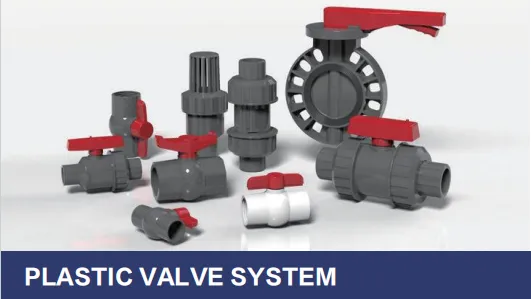
Gone are the days when metal valves dominated construction sites. Today, plastic valve systems have emerged as the preferred choice for residential, commercial, and industrial projects alike—and for good reason. Lightweight yet durable, resistant to corrosion and chemical wear, and surprisingly cost-effective, plastic valves offer a versatility that metal simply can't match. Whether it's controlling water flow in a high-rise apartment, managing drainage in a hospital, or regulating irrigation in a commercial complex, these systems are the backbone of modern plumbing and fluid management.
But their importance goes beyond functionality. In a region like Saudi Arabia, where extreme temperatures and harsh environmental conditions are the norm, plastic valves shine. Unlike metal, they don't rust or degrade when exposed to saltwater, humidity, or aggressive cleaning agents—qualities that make them indispensable in coastal areas like Jeddah or industrial zones in Riyadh. And when paired with complementary pipes fittings solutions, they form a seamless, long-lasting network that reduces maintenance costs and extends the lifespan of a building's infrastructure.
Saudi Arabia takes construction safety seriously. The Kingdom's building codes, developed by bodies like the Saudi Standards, Metrology and Quality Organization (SASO) and the Ministry of Municipal and Rural Affairs and Housing (MOMRAH), are designed to ensure structures are safe, sustainable, and resilient. For plastic valve systems, compliance isn't just a box to check—it's a legal and ethical obligation. Non-compliant products risk project delays, fines, and, worst of all, compromising the safety of occupants.
So, what exactly do these codes entail? For starters, they set strict standards for material quality, pressure resistance, fire safety, and environmental impact. For example, a plastic valve used in a residential building must withstand specific water pressure levels without cracking, while one installed in a hospital must meet hygiene standards to prevent contamination. Even the smallest detail—like the thickness of a valve's wall or the type of plastic used—can determine whether a product passes inspection.
To better understand what trusted suppliers prioritize, let's break down the core compliance requirements. The table below outlines critical standards, testing protocols, and how leading plastic valve system suppliers ensure their products meet or exceed them:
| Code Requirement | Industry Standard | Testing Protocol | Supplier Commitment |
|---|---|---|---|
| Material Durability | ASTM D1784 (PVC), DIN 8062 (UPVC) | Long-term hydrostatic pressure testing at 60°C for 10,000+ hours | Source raw materials from ISO-certified manufacturers; conduct in-house material testing before production. |
| Pressure Rating | SASO 1062, DIN Standard PN10 | Burst pressure testing at 1.5x maximum operating pressure | Engineer valves to exceed PN10 standards; label products with clear pressure ratings for easy installation. |
| Fire Safety | SASO 2870 (Fire Classification) | Flame spread and smoke density testing per ASTM E84 | Offer fire-retardant options for high-risk areas (hospitals, schools); provide test reports with every shipment. |
| Chemical Resistance | ASTM D5322 | Exposure to common chemicals (chlorine, detergents) for 1,000 hours | Develop valve formulations resistant to Saudi Arabia's water treatment chemicals; share compatibility charts with clients. |
| Installation Compliance | MOMRAH Guidelines for Plumbing Systems | Fitment testing with standard pipes (PVC DWV, UPVC, PPR) | Provide detailed installation manuals in Arabic and English; offer on-site training for contractors. |
While the demand for compliant plastic valve systems is high, sourcing them isn't always straightforward. The market is riddled with low-quality imitations—products that mimic the look of reputable brands but cut corners on materials and testing. These counterfeit valves often fail prematurely, leading to leaks, water damage, and costly repairs. Worse, they rarely meet SASO standards, putting projects at risk of regulatory penalties.
Another challenge? Navigating the complexity of local codes. Saudi Arabia's building regulations are constantly evolving to keep pace with global best practices. For example, recent updates to SASO standards now require stricter testing for plastic valves used in potable water systems, including checks for lead and heavy metal leaching. For contractors and developers, staying on top of these changes can feel like a full-time job—one that distracts from their core focus: building.
Then there's the issue of supply chain reliability. In a country where construction timelines are tight, delays caused by missing or non-compliant materials can derail entire projects. A pipes fittings supplier that can't deliver on time, or a plastic valve system solutions provider that lacks inventory, can turn a well-planned project into a logistical nightmare.
This is where trusted plastic valve system suppliers step in—not as mere vendors, but as strategic partners. These are companies that live and breathe Saudi building codes, investing in research, certifications, and relationships with local authorities to ensure their products are always compliant. They understand that a valve isn't just a part; it's a promise that a building will stand the test of time.
Take, for example, a leading plastic valve system supplier in Saudi Arabia. Their team includes engineers who specialize in local regulations, constantly updating internal standards to reflect the latest SASO and MOMRAH guidelines. Before any product hits the market, it undergoes rigorous testing in accredited labs—from pressure endurance to chemical resistance—with results documented and shared with clients. For contractors, this means no more guessing whether a valve meets code; they can trust that every product comes with the certifications to back it up.
But compliance is just the starting point. Trusted suppliers also excel in customer support. Imagine a scenario where a contractor is installing PVC DWV pipes in a residential complex and realizes the valves they ordered don't fit the pipe size. A reliable supplier won't just apologize—they'll dispatch a technical team to the site within hours, offering solutions (like adapters or replacement valves) to keep the project on track. This level of responsiveness turns potential disasters into minor hiccups.
The best plastic valve system suppliers don't stop at valves. They recognize that a plumbing system is only as strong as its weakest link, which is why they offer comprehensive pipes fittings solutions. From PVC DWV pipes designed for efficient drainage to UPVC pipes that excel in potable water systems, these suppliers curate product lines that work together seamlessly. This integration isn't just convenient—it's critical for compliance. When valves, pipes, and fittings are sourced from the same provider, there's no risk of compatibility issues, and contractors can be confident that the entire system meets Saudi building codes.
Consider a commercial project like a shopping mall in Riyadh. The plumbing system here needs to handle high water pressure, heavy foot traffic, and strict hygiene standards. A trusted supplier would provide not just plastic valves, but also UPVC pipes for water supply, PVC DWV pipes for drainage, and specialized fittings that ensure leak-free connections. By offering this one-stop shop, they simplify the procurement process, reduce the risk of errors, and ensure that every component is designed to work in harmony.
In 2024, a leading developer in Jeddah embarked on a project to build 500 residential units, targeting LEED certification for sustainability. A key requirement? The plumbing system had to meet Saudi Arabia's water efficiency standards, which mandate low-flow valves and leak-proof connections to conserve water in a region where resources are precious.
The developer partnered with a trusted plastic valve system supplier who specialized in water-efficient solutions. The supplier recommended a range of plastic ball valves with flow restrictors, designed to reduce water usage by 30% without compromising performance. They also provided UPVC pipes and fittings, engineered to minimize friction and prevent leaks. To ensure compliance, the supplier furnished SASO 1062 certificates for every valve and pipe, along with third-party test reports verifying their water efficiency.
The result? The project passed inspection with flying colors, and residents now enjoy lower water bills—a win for both the developer and the community. As the site engineer noted, "Working with a supplier who understood both the technical requirements and the local codes made all the difference. We didn't have to second-guess anything; they handled the compliance side so we could focus on building."
Hospitals have unique demands when it comes to plumbing. Strict hygiene standards, constant water flow, and the need for easy disinfection mean that plastic valve systems must be not just durable, but also resistant to bacteria and chemicals. When a major hospital in Riyadh underwent a renovation in 2023, they turned to a plastic valve system supplier with expertise in healthcare facilities.
The supplier recommended Class A fireproof CPL inorganic board solutions for wall panels (though not a valve product, it highlighted their commitment to holistic safety) and paired them with plastic valves made from medical-grade PVC, certified to resist mold and mildew. Each valve was tested for leachability, ensuring no harmful chemicals would seep into the water supply—a critical requirement for patient safety. Additionally, the supplier provided training to the hospital's maintenance team on proper valve operation and cleaning, ensuring long-term compliance with hygiene protocols.
Today, the hospital's plumbing system runs flawlessly, with zero leaks or contamination issues. As the hospital's facilities manager put it, "We couldn't afford to take risks with our plumbing. The supplier's attention to detail—from material selection to post-installation support—gave us the confidence that our patients and staff are in safe hands."
The world of plastic valve systems is evolving, and Saudi Arabia is at the forefront of this change. As the Kingdom pushes for smarter, more sustainable cities, suppliers are innovating to meet new challenges. One emerging trend is the integration of smart technology: valves equipped with sensors that monitor flow rates, pressure, and leaks in real time. These "smart valves" not only enhance efficiency but also simplify compliance by providing data that can be shared with regulators during inspections.
Sustainability is another key focus. Suppliers are developing valves made from recycled plastics, reducing their carbon footprint without sacrificing performance. Additionally, products are being designed for easier recycling at the end of their lifespan—a move that aligns with Saudi Arabia's Vision 2030 goals for environmental stewardship.
Perhaps most exciting is the rise of custom solutions. As projects become more complex—think eco-friendly resorts, state-of-the-art data centers, or sprawling industrial parks—suppliers are offering tailored plastic valve systems that meet unique requirements. Whether it's a valve designed to withstand extreme temperatures in a desert solar farm or a compact fitting for a high-rise's tight plumbing shafts, customization ensures that even the most ambitious projects stay compliant.
In the fast-paced world of Saudi construction, where deadlines are tight and standards are high, the choice of a plastic valve system supplier is more than a business decision—it's a partnership. Trusted suppliers don't just deliver products; they deliver confidence that every valve, every pipe, and every fitting meets the Kingdom's strict building codes. They turn compliance from a burden into a competitive advantage, allowing developers and contractors to focus on what they do best: building spaces that inspire, function, and endure.
So, the next time you walk into a modern office building, a bustling hospital, or a cozy apartment in Saudi Arabia, take a moment to appreciate the invisible network working behind the scenes. Chances are, it's powered by plastic valve systems from a supplier who cares as much about the building's safety as the people who designed it. In a market where quality can't be compromised, that's the kind of trust that builds legacies.
Recommend Products












