
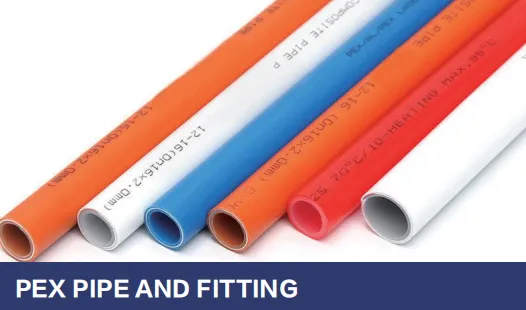
From residential kitchens to commercial high-rises, discover how Coloria's PEX solutions have been shaping the Middle East's construction landscape for decades
Walk into any modern home or office building in Riyadh, Dubai, or Doha, and there's a good chance the plumbing system behind those walls is powered by Coloria's PEX pipes. For over 30 years, we've been more than just a supplier—we've been a partner to architects, contractors, and homeowners, turning construction visions into reality with reliable, innovative building materials. But let's start with the basics: what makes PEX pipe the backbone of so many Middle Eastern projects, and why has Coloria become the go-to name in the region?
Picture this: a family in Jeddah is building their dream home. They want a plumbing system that can handle the city's scorching summers (temperatures often exceeding 45°C) and sudden sandstorms, while also being easy to install to keep construction timelines on track. A contractor in Riyadh is working on a 20-story commercial tower; they need pipes that won't corrode, won't leak, and can be fitted quickly to meet tight deadlines. In both cases, the answer is simple: PEX pipe. And when those contractors and homeowners ask, "Where do we get the best PEX in the Middle East?" the answer is just as simple: Coloria.
If you're not in the construction industry, you might not think much about the pipes behind your walls. But ask any plumber or contractor, and they'll tell you: choosing the right pipe material can make or break a project. Traditional metal pipes? Prone to corrosion, especially in areas with hard water like parts of Saudi Arabia. Copper? Expensive and tricky to install in tight spaces. That's where PEX (cross-linked polyethylene) comes in—and why it's revolutionized the industry.
Quick fact: PEX pipe was first developed in the 1960s, but its popularity in the Middle East has skyrocketed in the last decade, thanks to its ability to withstand extreme temperatures, resist scale buildup, and reduce installation time by up to 40% compared to copper.
At Coloria, we've invested heavily in perfecting our PEX pipe and fittings line, tailoring it specifically to the unique needs of Middle Eastern projects. Let's break down what makes our PEX solutions stand out:
| PEX Type | Key Advantage | Best For | Why It Works in the Middle East |
|---|---|---|---|
| PEX-A | Highest flexibility, even at low temperatures | Residential homes, retrofits | Easy to bend around tight corners in older buildings common in Riyadh and Dammam |
| PEX-B | Cost-effective, strong chemical resistance | Commercial buildings, high-rise apartments | Withstands harsh cleaning chemicals used in hotels and hospitals in Dubai |
| PEX-C | Superior heat resistance (up to 95°C) | Industrial facilities, large-scale heating systems | Ideal for solar water heating systems, a growing trend in sustainable Saudi projects |
But it's not just about the pipe itself—it's the fittings, too. A leaky fitting can undo all the benefits of a quality pipe, which is why we manufacture our PEX fittings with precision-engineered brass and poly alloy materials. Our push-to-connect fittings, for example, eliminate the need for soldering or glue, cutting installation time in half. For contractors working on fast-track projects like Saudi's NEOM development, that's not just a convenience—it's a game-changer.
Here's a common frustration we hear from contractors: "I have to work with 5 different suppliers for one project—pipes from here, fixtures from there, flooring from somewhere else. It's a logistical nightmare." That's why Coloria was built on the idea of "one-stop shopping." We don't just sell PEX pipe—we offer everything a project needs, from the foundation to the finishing touches.
Imagine you're building a hotel in Bahrain. You need PEX pipes for plumbing, solar panels for energy efficiency, custom kitchen cabinets for the restaurant, and elevators for guest access. Instead of coordinating with 4 separate companies (each with their own lead times, delivery schedules, and quality standards), you can get it all from Coloria. Our team of project managers will even help you plan the timeline, ensuring materials arrive exactly when you need them—no more waiting for one supplier to hold up the entire project.
Our one-stop approach isn't just about convenience—it's about consistency. When all your materials come from a single supplier, you know they're tested to work together. For example, our PEX pipes are designed to pair seamlessly with our plastic valve systems, reducing the risk of compatibility issues. Our flooring options? They're engineered to complement our wall panels, so architects don't have to worry about color mismatches or style clashes.
Anyone can sell building materials—but to thrive in the Middle East, you need to understand the market. Coloria isn't just a "global supplier" with a Middle East branch; we're a company that's grown up alongside the region. Our Saudi Arabian office, located in Riyadh, has been operational since 1995, and our team includes local engineers, architects, and project managers who speak the language (both literally and figuratively) of Middle Eastern construction.
What does that mean for our clients? It means we know that a residential project in Jeddah has different needs than a commercial project in Kuwait City. It means we're familiar with Saudi's strict building codes (like the SASO standards) and can help clients navigate local regulations without the guesswork. It means we understand that in the Middle East, relationships matter—and we've built ours over decades.
Take our work with Saudi's "2030 Vision," for example. The initiative aims to diversify the economy and boost, and we're proud to play a role. We've trained over 200 local technicians in PEX installation best practices, creating jobs while ensuring projects meet the highest standards. Last year, we even partnered with King Saud University to develop a scholarship program for engineering students interested in sustainable construction—because investing in the next generation is how we'll all grow together.
"Sustainability" isn't just a buzzword in construction anymore—it's a necessity. With governments across the Middle East (including Saudi Arabia and the UAE) setting ambitious "net-zero" targets, builders are under pressure to choose materials that reduce carbon footprints without compromising on quality. At Coloria, we've made sustainability a core part of our mission, and our PEX pipes are a perfect example of that commitment.
PEX is inherently eco-friendly: it requires 70% less energy to produce than copper, and its flexibility means fewer fittings (which reduces waste). But we've taken it a step further. Our PEX pipes are made with 30% recycled materials, and we've eliminated lead from all our fittings—a move that aligns with the region's push for healthier indoor environments, especially in schools and hospitals.
But our sustainability efforts go beyond PEX. We're also a leading supplier of green building materials like bamboo charcoal board wall panels (which improve indoor air quality) and solar panels (a must for projects aiming for LEED certification). Last year, we supplied sustainable materials for the Green City project in Dubai, a residential complex designed to be carbon-neutral by 2030. Our PEX pipes, paired with our solar water heating systems, helped the project reduce energy consumption by 28% in its first year.
Numbers and specs are important, but nothing tells our story better than the projects we've helped bring to life. Here are just a few examples of how Coloria's PEX solutions have made a difference across the Middle East:
Residential: Al-Mansoora Housing Complex, Kuwait
A 500-unit affordable housing project needed a plumbing system that could handle Kuwait's hard water and high demand. We supplied PEX-B pipes and brass fittings, which have now been in use for 5 years with zero leaks reported. The developer saved 20% on installation costs compared to copper pipes.
Commercial: Skyline Tower, Doha
This 35-story office tower required a plumbing system that could service 2,000+ daily occupants. Our PEX-C pipes, chosen for their heat resistance, were paired with our energy-efficient electrical fixtures. The project was completed 2 months ahead of schedule, thanks to our one-stop delivery model.
Institutional: King Fahd Hospital, Riyadh
Hospitals demand the highest standards for hygiene and reliability. We supplied Class A fireproof CPL inorganic boards (for wall panels) and PEX-A pipes (for medical gas lines), meeting strict Saudi healthcare regulations. The hospital's facilities manager noted, "We haven't had a single plumbing issue in 3 years—unheard of in a busy medical environment."
The Middle East's construction boom shows no signs of slowing down. With projects like Saudi's Vision 2030, Dubai's Expo legacy, and Qatar's post-World Cup developments, the demand for reliable, sustainable building materials will only grow. At Coloria, we're ready to meet that demand—and lead the way.
Our plans for the next 5 years? Expand our Saudi manufacturing facility to produce PEX pipes locally, reducing delivery times and supporting the kingdom's localization goals. Invest in R&D to develop even more eco-friendly PEX variants, including ones that can be fully recycled. And continue training the next generation of construction professionals, ensuring the Middle East has the talent to build its future.
At the end of the day, though, our mission hasn't changed: to be the partner our clients can trust, whether they're building a family home or a skyscraper. Because in construction, as in life, the foundation matters—and with Coloria, you're building on a foundation of quality, experience, and care.
Recommend Products












