
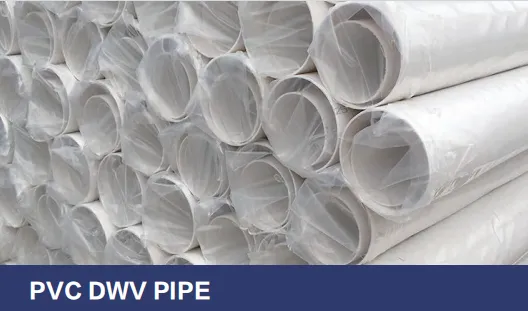
Every time you flush a toilet, run a sink, or drain a shower, you're relying on a silent network working tirelessly behind your walls and under your floors: PVC DWV pipes. Short for Drain-Waste-Vent, these pipes are the unsung heroes of home and commercial plumbing, carrying wastewater and sewage away while ensuring proper ventilation to prevent odors and pressure buildup. Made from durable polyvinyl chloride, PVC DWV pipes are prized for their corrosion resistance, affordability, and ease of installation. But even the toughest materials can face problems over time. Clogs, leaks, and blockages are common foes that can turn a smoothly running plumbing system into a messy, stressful headache. Whether you're a homeowner dealing with a slow-draining sink or a property manager troubleshooting recurring issues in a commercial building, understanding how to identify, fix, and prevent these problems is key to keeping your plumbing system healthy. In this guide, we'll walk through the most common PVC DWV pipe issues, step-by-step troubleshooting tips, and expert advice to help you tackle these problems with confidence—no plumber's license required (though we'll also tell you when it's time to call in the pros).
Before diving into troubleshooting, let's take a moment to get to know PVC DWV pipes better. Unlike pressure pipes (which carry water under pressure, like those in your home's supply lines), DWV pipes operate under gravity. That means they're installed with a slight slope (usually 1/4 inch per foot for horizontal runs) to ensure wastewater flows freely toward the main sewer line or septic system. Vent pipes are another critical component—they connect to DWV pipes to allow air to enter, preventing siphoning of water from traps (those U-shaped bends under sinks and toilets that block sewer gases) and ensuring smooth drainage.
PVC DWV pipes come in various diameters, from 1.5 inches (common for sinks and tubs) to 4 inches or larger (used for main drains and toilets). They're joined using solvent cement (for permanent connections) or rubber gaskets and couplings (for easier disassembly, often in commercial settings). Fittings like elbows, tees, and wyes direct the flow of water, while cleanouts—access points with removable caps—provide entry for tools when issues arise. Understanding this setup will make it easier to pinpoint where problems might be occurring.
One of the biggest advantages of PVC is its resistance to chemicals and rust, but that doesn't make it indestructible. Over time, factors like improper installation, harsh substances, tree root intrusion, and even temperature fluctuations can lead to issues. Let's start with the most frequent offender: clogs.
Clogs happen when materials build up inside the pipe, restricting or blocking the flow of water. In residential settings, the usual culprits are predictable: hair in shower drains, food scraps in kitchen sinks (especially grease, coffee grounds, and potato peels), and flushed items that don't belong (think baby wipes, dental floss, and even excessive toilet paper). In commercial spaces like restaurants, clogs often stem from larger quantities of food waste, while schools and offices might see issues from paper towels or feminine hygiene products mistakenly flushed down toilets.
Grease is a particularly sneaky clogger. When poured down the drain hot, it might seem to flow freely, but as it cools, it solidifies on the inside of pipes, trapping other debris like hair and food particles. Over time, this buildup narrows the pipe until water drains sluggishly—or not at all. Even "disposable" items like wet wipes are a problem: despite labels claiming they're "flushable," most don't break down in water and can quickly ball up into stubborn clogs, especially in PVC pipes with tight bends or smaller diameters.
How do you know if a clog is the issue? Look for these telltale signs:
Most minor clogs can be fixed with simple tools and household items. Here's how to tackle them step by step:
1. Start with a plunger. Plungers are the first line of defense for clogs, but using them correctly is key. For sinks and tubs, use a cup plunger (the standard dome-shaped one). Fill the basin with a few inches of water to create a seal, place the plunger over the drain, and push down gently then pull up firmly—not too hard, or you might damage the pipe or trap. Repeat 5–10 times, then check if the water drains. For toilets, use a flange plunger (with an extra rubber flange that folds out to fit into the toilet drain). Position it so the flange is inside the drain, then plunge with steady, forceful strokes.
2. Try a drain snake (auger). If plunging doesn't work, a drain snake (or plumber's auger) can reach deeper clogs. For sinks, remove the drain stopper and insert the snake into the drain, turning the handle clockwise as you push gently. When you feel resistance, twist and pull to dislodge the clog. For toilets, feed the snake into the bowl and through the trap, being careful not to scratch the porcelain. Once the clog is broken up, flush to test.
3. Use natural remedies (avoid harsh chemicals). Baking soda and vinegar are a safe, eco-friendly alternative to chemical drain cleaners (which can damage PVC pipes if used incorrectly or mixed with other cleaners). Pour ½ cup of baking soda down the drain, followed by ½ cup of white vinegar. Cover the drain with a plug to trap the fizz, and let it sit for 15–20 minutes. Then flush with boiling water (for sinks and tubs—avoid boiling water for toilets, as it can crack porcelain). The chemical reaction between baking soda and vinegar breaks down organic materials like hair and grease.
4. Check the P-trap. The P-trap is the U-shaped bend under sinks and tubs that holds water to block sewer gases. If a clog is near the drain, it might be trapped here. Place a bucket under the P-trap to catch water, then loosen the slip nuts (the plastic or metal rings connecting the trap to the drainpipe) with pliers. Remove the trap, empty it, and check for debris. Rinse it out, then reattach it tightly. This is also a good time to inspect the trap for cracks or damage—if it's worn, you might need to replace it with a new fitting from a trusted pipes fittings supplier.
Pro Tip: Avoid Chemical Drain Cleaners on PVC DWV Pipes
While chemical cleaners like Drano can dissolve clogs, they're risky for PVC DWV pipes. The chemicals can eat away at older pipes or damage rubber gaskets in fittings. If you use a chemical cleaner and it doesn't work, the chemicals can linger in the pipe—if you then try plunging or snaking, you might splash the corrosive solution on yourself. Worse, mixing different cleaners (e.g., bleach and ammonia) creates toxic gas. Stick to natural remedies or mechanical tools first, and save chemicals as a last resort (and always follow the manufacturer's instructions).
If DIY methods don't work, or if you notice signs of a deeper issue—like clogs in multiple drains at once, sewage backup, or water rising in the tub when you flush the toilet—it's time to call a plumber. These could indicate a clog in the main sewer line, which requires professional tools like motorized augers or hydro jetting (high-pressure water to blast away clogs). A pro can also use a camera inspection to locate the clog and check for pipe damage.
Unlike clogs, which announce themselves with slow drains and gurgles, leaks can be stealthy. A small drip behind a wall might go unnoticed for months, causing water damage, mold growth, and skyrocketing water bills. Even a tiny leak can waste hundreds of gallons of water per year—and in commercial buildings, the costs can multiply quickly. Let's break down why leaks happen, how to spot them, and how to fix them.
PVC is durable, but it's not immune to wear and tear. Here are the most likely reasons your DWV pipe might be leaking:
The key to minimizing damage from leaks is catching them early. Here are signs to watch for:
Fixing a leak depends on its cause and location. Here are the most common repair methods:
1. Tightening loose joints. If the leak is at a threaded joint (common in commercial systems with rubber gaskets), use adjustable pliers to gently tighten the coupling or nut. Be careful not to over-tighten—PVC is brittle and can crack. For solvent-welded joints that have come loose (rare, but possible if installation was poor), you'll need to cut out the old joint and replace it with new fittings (more on that below).
2. Patching small cracks. For hairline cracks in accessible pipes, a temporary fix is to use epoxy putty. Clean the area around the crack with sandpaper to rough it up, then mix the epoxy according to the manufacturer's instructions and press it firmly over the crack, smoothing it with a putty knife. Let it cure completely (usually 24 hours) before using the drain. Note: Epoxy is a temporary solution—for permanent repairs, replace the damaged section of pipe.
3. Replacing damaged sections. For larger cracks or splits, or if the pipe is old and brittle, replacing the damaged section is the best option. Here's how: First, turn off the water to the affected area (for sinks, use the shutoff valves under the sink; for toilets, turn off the valve behind the tank). Place a bucket under the pipe to catch water, then use a hacksaw or PVC cutter to cut out the damaged section, leaving 2–3 inches of intact pipe on either side. Measure the length of the removed section, then cut a new piece of PVC pipe to match. Next, clean the ends of the existing pipe and the new pipe with PVC primer, then apply solvent cement to both ends and the inside of the couplings (use couplings that match the pipe diameter). Push the new pipe into the couplings, twisting slightly to spread the cement, and hold for 30 seconds to set. Let the cement cure for at least 24 hours before turning the water back on.
When replacing pipe sections, it's crucial to use high-quality materials. A reputable pvc dwv pipe supplier can provide pipes and fittings that meet industry standards, ensuring a secure, long-lasting repair. Look for pipes marked with "DWV" to ensure they're rated for drain-waste-vent use (pressure pipes, like those used for water supply, have different thickness and pressure ratings and aren't suitable for DWV systems).
4. Repairing shifted or sagging pipes. If pipes are sagging due to poor support, install new hangers or straps to hold them in place. Hangers should be placed every 4–6 feet for horizontal runs and within 12 inches of fittings to prevent stress on joints. For vertical pipes, use pipe clamps attached to studs or joists.
Pro Tip: When to replace vs. Repair
If your PVC DWV pipes are more than 20–30 years old, or if you're dealing with multiple leaks in different areas, it might be more cost-effective to replace the entire system rather than make patchwork repairs. Older pipes can become brittle, and repeated repairs can lead to higher long-term costs. Consult a plumber to assess the condition of your pipes and recommend the best course of action.
While clogs are often minor and fixable with DIY tools, blockages are more severe—think of them as clogs on steroids. A blockage is a complete or near-complete obstruction of the pipe, which can cause sewage backups, overflow, and even pipe damage if not addressed quickly. Blockages are more common in main sewer lines but can occur in branch lines too. Let's explore their causes, signs, and solutions.
Blockages often start as small clogs that grow over time, but they can also be caused by larger, more problematic issues:
Blockages are usually more urgent than clogs, so recognizing these signs early can prevent disasters:
Minor blockages in branch lines might be fixable with a drain snake, but main line blockages almost always require professional help. Here's what to do:
1. Locate the cleanout. Cleanouts are access points with removable caps (usually white or black plastic) located along the main sewer line, often near the foundation of your home or in the yard. Removing the cap allows a plumber to insert tools like motorized augers or hydro jetters directly into the main line.
2. Call a plumber for hydro jetting. Hydro jetting uses high-pressure water (up to 4000 PSI) to blast away blockages, including tree roots and grease buildup. A plumber will insert a hose with a rotating nozzle into the cleanout, and the water pressure breaks up the blockage, flushing it away. This method is effective and less invasive than excavation.
3. Camera inspection for hidden issues. If blockages recur, a plumber can use a sewer camera to inspect the pipe from the inside. The camera sends live video to a monitor, showing cracks, root intrusion, or collapsed sections that might be causing repeated blockages. Based on the footage, the plumber can recommend repairs like pipe lining (a trenchless method to seal cracks) or excavation for collapsed pipes.
4. Tree root removal. For root intrusions, plumbers might use a root cutter attachment on a motorized auger to cut through roots, then follow with hydro jetting to clear debris. To prevent roots from regrowing, they might also apply a root-killing chemical (safe for pipes and the environment) to the sewer line.
| Issue | Typical Causes | Key Signs | DIY Fixes | Professional Solutions |
|---|---|---|---|---|
| Clogs | Hair, grease, food scraps, flushed debris | Slow drainage, gurgling, mild odors | Plunger, drain snake, baking soda + vinegar | Motorized auger for deep clogs |
| Leaks | Loose joints, cracks, shifting pipes, corrosion | Water stains, mold, high water bills, dripping | Epoxy putty (temporary), tightening joints | Pipe replacement, re-piping, professional joint sealing |
| Blockages | Tree roots, foreign objects, collapsed pipes, severe grease buildup | Sewage backup, multiple drains gurgling, yard puddles | Drain snake for minor branch line blockages | Hydro jetting, camera inspection, root removal, pipe lining/excavation |
The best way to deal with clogs, leaks, and blockages is to prevent them from happening in the first place. With regular maintenance and a few simple habits, you can keep your PVC DWV pipes running smoothly for decades. Here's how:
Prevention starts with good habits. Never pour grease, oil, or fat down drains—instead, collect them in a container and throw them in the trash. Use drain strainers in sinks and showers to catch hair and food scraps, and empty them regularly. Avoid flushing anything besides toilet paper and human waste—this includes baby wipes, feminine hygiene products, cotton balls, and dental floss. In commercial kitchens, install grease traps to catch cooking oil before it enters the DWV system.
A little maintenance goes a long way. Once a month, pour boiling water down kitchen and bathroom drains (avoid boiling water for toilets) to melt minor grease buildup. For showers, use a hair remover tool (like a plastic zip tie with notches) to pull out hair from the drain before it clogs. You can also use the baking soda and vinegar method monthly as a preventive measure.
Take time each year to inspect visible PVC DWV pipes (under sinks, in crawl spaces, and in basements) for cracks, leaks, or loose joints. Tighten any loose couplings, and replace damaged fittings promptly. Check pipe supports to ensure they're holding pipes securely—add hangers if you notice sagging. For commercial properties, schedule annual inspections with a plumber to catch issues early.
Vent pipes (which extend through the roof) can get blocked by leaves, bird nests, or debris, causing slow drainage and odors. Check roof vents annually and clear any obstructions with a long brush or by hiring a roofer. Ensure vent caps are intact to prevent animals from entering.
Consider scheduling professional drain cleaning every 1–2 years, especially for commercial buildings or homes with large families. Plumbers can use hydro jetting to clear minor buildup before it becomes a clog and inspect pipes for early signs of damage. For properties with trees near sewer lines, annual root inspections can prevent costly blockages.
When installing new pipes or replacing old ones, choose high-quality PVC DWV products from a trusted supplier. Reputable pvc dwv pipe suppliers offer pipes and fittings that meet ASTM standards, ensuring they're durable and resistant to chemicals and temperature changes. Quality materials reduce the risk of leaks and blockages, saving you money in the long run.
Q: Can I use a plunger on a PVC DWV pipe without damaging it?
A: Yes, plungers are safe for PVC pipes when used correctly. Avoid using excessive force, which can cause joints to loosen or pipes to crack. For best results, use a cup plunger for sinks/tubs and a flange plunger for toilets, and ensure a tight seal before plunging.
Q: How do I know if a leak is in the DWV pipe or the supply line?
A: DWV leaks often occur when drains are in use (e.g., after flushing a toilet or running a sink) and may involve wastewater (which can have a foul smell). Supply line leaks (carrying clean water) usually leak continuously, even when no drains are open, and the water is clear. If you're unsure, turn off the main water supply—if the leak stops, it's a supply line; if not, it's likely DWV.
Q: Are there any pvc dwv pipe solutions to prevent clogs?
A: Yes! Many suppliers offer preventive products like enzyme drain cleaners (which break down organic matter over time), drain strainers with finer mesh, and even smart drain monitors that alert you to slow drainage. For commercial settings, consider installing grease interceptors or grinders to reduce debris entering the DWV system.
Q: Can tree roots really grow through PVC pipes?
A: Tree roots don't technically "grow through" PVC pipes—they grow into existing cracks or gaps at joints. PVC is strong, but small cracks from shifting soil or installation errors can provide an entry point. Once roots enter, they absorb moisture and nutrients, growing quickly to block the pipe. Regular inspections and root treatments can prevent this.
Q: How long do PVC DWV pipes last?
A: PVC DWV pipes have a lifespan of 20–40 years, depending on installation quality, maintenance, and environmental factors. Pipes installed in areas with extreme temperature fluctuations or exposure to harsh chemicals may degrade faster. Regular inspections can help you determine when replacement is needed.
PVC DWV pipes are the backbone of your plumbing system, but they're not invincible. Clogs, leaks, and blockages can strike at any time, but with the right knowledge, you can troubleshoot minor issues and know when to call in the pros. Remember, prevention is always cheaper than repair—simple habits like using strainers, avoiding chemical cleaners, and scheduling regular inspections can save you from costly plumbing disasters.
When repairs are needed, don't cut corners on materials. A reliable pvc dwv pipe supplier will ensure you get pipes and fittings that meet safety standards, ensuring a repair that lasts. Whether you're a DIY enthusiast fixing a clogged sink or a property manager coordinating a main line repair, taking care of your PVC DWV pipes means taking care of your home or business—one drain at a time.
Recommend Products












