
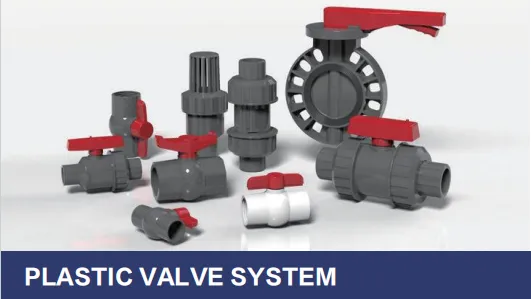
Plastic valve systems are the unsung heroes of modern plumbing. From the pipes under your kitchen sink to the intricate networks in commercial buildings, these systems keep water flowing, waste draining, and operations running smoothly. But like any hardworking component, they're not immune to issues. Leaks, blockages, and stubborn valves can turn a minor inconvenience into a major headache—especially if you're not sure where to start fixing them. That's where the expertise of suppliers comes in. As someone who's spent years collaborating with plastic valve system suppliers, pvc dwv pipe suppliers, and ppr pipe and fitting suppliers, I've learned that troubleshooting these problems often boils down to understanding the system, recognizing early warning signs, and applying practical fixes. In this guide, we'll walk through common issues, step-by-step solutions, and insider tips from suppliers who've seen it all.
First, let's talk about why these systems are so crucial. Unlike metal valves, plastic options (think PVC, PPR, PEX) are lightweight, corrosion-resistant, and affordable—making them ideal for residential, commercial, and industrial use. A plastic valve system supplier will tell you that their products are designed to handle everything from cold water lines to high-temperature hot water systems (looking at you, pex pipe and fitting suppliers). But here's the catch: even the most durable systems can falter if installed incorrectly, maintained poorly, or pushed beyond their limits.
Consider this scenario: A restaurant owner notices a slow drain in the kitchen. At first, they shrug it off as a minor clog. But over time, the problem worsens, leading to standing water and even foul odors. When they finally call a plumber, they discover the issue isn't just a clog—it's a misaligned PVC DWV pipe (that's Drain, Waste, Vent, for those new to plumbing) connected to a faulty valve. The pvc dwv pipe supplier later explains that the pipe was installed with too much slope, causing debris to build up and strain the valve. This story isn't unique. Many problems stem from small oversights that snowball into bigger issues. The good news? Most can be fixed with a little know-how.
Before diving into troubleshooting, let's clarify the basics. Plastic valve systems often work hand-in-hand with specific pipes:
Each type has unique properties, and as any plastic valve system supplier will emphasize, using the right valve with the right pipe is half the battle.
The key to minimizing damage is catching problems early. Let's break down the most frequent issues and their telltale signs:
Leaks are the most obvious—and most frustrating—problem. They can start as a slow drip from a valve connection or a sudden spray from a cracked pipe. But don't ignore even the smallest drip: over time, it can waste hundreds of gallons of water and cause mold or water damage.
**Signs to watch for:** Water stains on walls or ceilings, musty odors, higher-than-usual water bills, or visible moisture around valves and pipes. A ppr pipe and fitting supplier once told me that leaks at connection points are often due to improper sealing or loose fittings, while cracks in pipes might come from freezing temperatures (a common issue with PEX, though pex pipe and fitting suppliers note that PEX is more freeze-resistant than PVC).
Blockages can happen in any part of the system, but they're most common in DWV pipes (hence why pvc dwv pipe suppliers get so many calls about them). Food scraps, hair, soap scum, or even small toys (thanks, kids!) can build up over time, slowing or stopping water flow.
**Signs to watch for:** Gurgling drains, slow-draining sinks/tubs, or water backing up into other fixtures (e.g., a toilet gurgling when you run the shower). If the blockage is severe, you might even hear a "glugging" sound as air tries to escape the.
Valves are supposed to open and close smoothly, but over time, they can get stuck. This is often due to mineral buildup (like limescale in hard water areas) or debris lodging in the valve mechanism. A plastic valve system supplier will warn that forcing a stuck valve can crack the handle or damage the internal components—so resist the urge to yank!
**Signs to watch for:** A valve that's hard to turn, leaks when partially open, or won't fully close. If you notice this, address it ASAP—stuck valves can lead to pressure buildup, which is a recipe for burst pipes.
Plastic is corrosion-resistant, but that doesn't mean it's invincible. Exposing PVC pipes to harsh chemicals (like drain cleaners with sulfuric acid) or subjecting PPR pipes to temperatures above their limit (over 95°C) can weaken the material, leading to cracks or brittleness. PPR pipe and fitting suppliers often field calls from homeowners who used boiling water to unclog drains—big mistake, as it can warp the pipes over time.
**Signs to watch for:** Discolored pipes, visible cracks, or pipes that feel soft or brittle to the touch. If you use chemical cleaners, always check the label—many pvc dwv pipe suppliers recommend avoiding anything with strong acids or alkalis.
Now that we've covered the "what" and "why," let's get to the "how." Below are step-by-step solutions for the most common problems, tested and approved by suppliers.
Leaks can happen at connections, valves, or along the pipe itself. Here's how to tackle them:
Step 1: Turn off the water supply. This is non-negotiable. Locate the main shutoff valve (usually near the water meter) and turn it clockwise until tight. If the leak is in a specific fixture (like a sink), use the fixture's shutoff valve instead.
Step 2: Identify the source. Wipe the area dry and check for moisture. If it's coming from a valve, inspect the handle, stem, and connection points. For pipes, look for cracks, holes, or loose fittings.
Step 3: Fix it based on the cause.
Blockages in DWV pipes or valve lines can be tricky, but these steps usually do the trick:
Step 1: Try a plunger first. For sinks or tubs, cover the drain with a plunger, add a few inches of water, and push/pull firmly. The suction should dislodge minor clogs.
Step 2: Use a drain snake (auger). If plunging fails, insert a drain snake into the pipe and twist gently. When you feel resistance, rotate and pull to remove the clog. Pvc dwv pipe suppliers caution against using snakes with sharp edges—they can scratch plastic pipes.
Step 3: Chemical cleaners (as a last resort). If the clog persists, use a plastic-safe drain cleaner (look for ones labeled "for PVC pipes"). Follow the instructions, wait the recommended time, then flush with hot (not boiling!) water. Never mix cleaners—this can create toxic fumes.
Pro tip from a pvc dwv pipe supplier: "Prevent clogs by using drain strainers and avoiding pouring grease or food scraps down the drain. For commercial kitchens, invest in a grease trap—it'll save you headaches (and money) in the long run."
A stuck valve doesn't have to mean replacement. Try these steps first:
Step 1: Lubricate the valve. For threaded valves, apply a silicone-based lubricant (avoid petroleum-based products—they can degrade plastic). Let it sit for 10–15 minutes, then gently work the handle back and forth.
Step 2: Clean mineral buildup. If lubrication doesn't work, mineral deposits might be the culprit. Mix equal parts vinegar and water, soak a cloth in the solution, and wrap it around the valve stem. Let it sit for an hour, then wipe clean and try turning the handle again.
Step 3: replace if necessary. If the valve still sticks, it's time for a new one. As any plastic valve system supplier will tell you, a valve that won't move is a ticking time bomb—better to replace it before it fails completely.
Once plastic pipes or valves show signs of corrosion, prevention is key. Here's how to stop it from getting worse:
Step 1: Avoid harsh chemicals. Swap out acid-based drain cleaners for enzymatic cleaners, which break down clogs without damaging plastic. Pvc dwv pipe suppliers often stock these—just ask!
Step 2: Check temperature limits. PPR pipes can handle up to 95°C, but prolonged exposure to near-boiling water can weaken them. If you have a water heater, set it to 120°F (49°C) or lower. Pex pipe and fitting suppliers note that PEX is more heat-tolerant but still not immune to extreme temps.
Step 3: Insulate pipes in cold areas. Freezing temperatures can cause pipes to expand and crack. Wrap exposed pipes with foam insulation (available at hardware stores) to protect them.
Who better to ask for advice than the people who make and supply these systems? I reached out to a few trusted suppliers—including a plastic valve system supplier with 20+ years in the industry, a pvc dwv pipe supplier, and a ppr pipe and fitting supplier—to get their best tips. Here's what they had to say:
| Problem | Symptoms | Common Causes | Fixes |
|---|---|---|---|
| Leaking valve | Water dripping from valve, moisture around handle | Loose connection, worn washer, cracked valve body | Tighten connection; replace washer or valve if cracked |
| Slow drain | Water takes 5+ minutes to drain, gurgling sounds | Debris buildup, misaligned pipe slope | Plunge, use drain snake, or enzymatic cleaner |
| Sticking valve | Hard to turn, leaks when partially open | Mineral buildup, debris in mechanism | Lubricate with silicone spray; clean with vinegar solution; replace if stuck |
| Pipe crack | Visible hole, water spraying from pipe | Freezing, over-tightening, chemical damage | Use repair clamp for small cracks; replace section for large cracks |
| Discolored pipes | Yellow/brown stains, brittle texture | Chemical exposure, UV damage (if outdoors) | replace damaged section; use UV-resistant pipes outdoors |
While many problems can be fixed with DIY solutions, some require a professional. Here are signs it's time to call in a plumber (or your supplier for guidance):
Remember: Your supplier is there to help. If you're unsure about a repair or need advice on replacement parts, pick up the phone. A pvc dwv pipe supplier once told me, "We'd rather spend 10 minutes on the phone helping you fix a problem than have you call back a week later with a bigger mess."
Plastic valve systems are built to last, but they need a little care to perform their best. By recognizing early signs of trouble, following these troubleshooting steps, and leaning on the expertise of suppliers like plastic valve system suppliers, pvc dwv pipe suppliers, and ppr pipe and fitting suppliers, you can keep your system running smoothly for years. Remember: The key is to be proactive, not reactive. A quick inspection today could save you from a costly repair tomorrow. So go ahead—grab a flashlight, check those pipes and valves, and give your system the attention it deserves. Your future self (and your water bill) will thank you.
Recommend Products












