
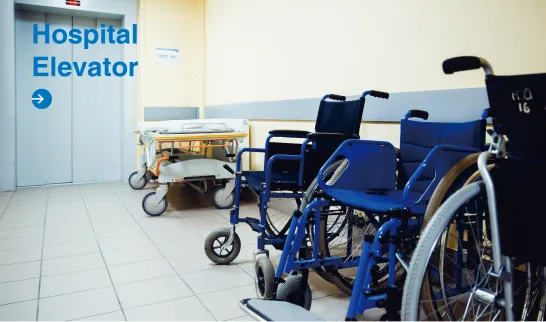
Imagine rushing a critical patient through hospital corridors only to face a frozen elevator door. That metallic barrier isn't just inconvenient—it could be life-threatening. Hospital elevator failures aren't mere technical glitches; they represent systemic vulnerabilities compromising patient care and hospital operations. For over a decade, I've witnessed how these malfunctions impact everything from emergency response times to staff morale. Today, we'll explore practical solutions that blend technical know-how with operational awareness.
Elevators in hospitals work harder than anywhere else. Think about it: 24/7 operation, gurneys banging against door sensors, disinfectants corroding components. Unlike commercial buildings, hospitals see constant trauma to elevator systems. One study showed hospital elevators endure 3× more daily cycles than office building counterparts.
Infrared sensors get coated with cleaning chemicals, mistaking phantom obstacles for real blockages. You'll notice doors reopening constantly or refusing to close. Here's what works:
Nurse Angela from Mass General shared: "We reduced sensor-related delays by 70% simply by switching cleaning products and training transport teams."
When doors screech or jerk, track alignment is usually the culprit. Vibration from gurney wheels gradually warps the guide rails.
Proactive approach: Use laser alignment tools quarterly to detect 0.5mm+ deviations. Apply graphite lubricant sparingly—over-lubrication attracts dust bunnies that jam mechanisms.
Flickering floor indicators often precede door failures. These stem from:
Quick diagnostic: Reboot control modules during off-peak hours. If issues persist, collaborate with your elevator suppliers for firmware updates—many overlook this crucial maintenance aspect.
Technical fixes alone aren't enough. Stanford Hospital implemented this response protocol:
Their median response time dropped from 23 minutes to under 8 minutes within three months. When elevator doors malfunction, every second counts—especially when transporting isolation patients through stairwells.
Never attempt force-opening doors during malfunctions. 42% of elevator-related injuries in healthcare facilities occur when staff improvise solutions. Use emergency communication systems and wait for trained technicians.
Forward-thinking hospitals now integrate:
Johns Hopkins pioneered elevator voice-command override during emergencies—a simple but revolutionary approach where "Priority Transport" commands hold elevators for medical teams.
| Timeframe | Action Items | Responsible Party |
|---|---|---|
| Immediate | Sensor cleaning protocols, communication system checks | Facilities team |
| 30 Days | Staff training simulations, backup route verification | Operations leadership |
| 90 Days | Hardware audit, predictive maintenance planning | Engineering + Vendor partners |
Regular maintenance partnerships with certified elevator suppliers ensure compliance with healthcare-specific regulations—an often overlooked detail with legal implications.
Elevator doors symbolize healthcare's hidden infrastructure challenges. By combining technical vigilance with human-centered protocols, hospitals transform vulnerabilities into reliability. The groaning door that delayed a code team yesterday becomes tomorrow's model of resilient design. Through collaborative problem-solving—where clinical staff provide real-world insights and engineers implement targeted solutions—we build healthcare environments worthy of the lives they protect.
Recommend Products












