
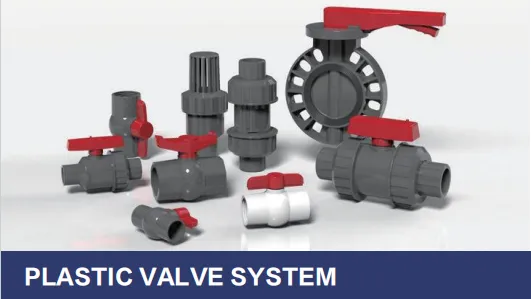
In the intricate web of modern infrastructure—from residential plumbing that delivers clean water to your kitchen sink, to commercial HVAC systems regulating temperature in office towers, to industrial pipelines transporting chemicals—plastic valve systems stand as silent workhorses. Lightweight, corrosion-resistant, and cost-effective, these systems have revolutionized how we manage fluid flow across sectors. But even the most reliable systems can stumble, and one of the most common headaches? Flow restrictions. A subtle narrowing of passageways, a hidden blockage, or a misaligned component can turn a smooth-running system into a source of frustration, leading to reduced efficiency, increased energy costs, and even system failures. For facility managers, plumbers, and project engineers, mastering the art of troubleshooting these restrictions isn't just a skill—it's essential to keeping operations running seamlessly. In this guide, we'll dive deep into the world of plastic valve system solutions, exploring the root causes of flow issues, step-by-step troubleshooting methods, real-world case studies, and proactive strategies to keep your systems flowing freely.
Before we tackle troubleshooting, let's ground ourselves in why plastic valve systems have become the go-to choice for so many applications. Unlike metal valves, which are prone to rust and corrosion, plastic valves—made from materials like PVC, UPVC, PPR, and CPVC—thrive in environments where chemicals, moisture, or varying temperatures would degrade traditional materials. They're also lighter, making installation easier and reducing labor costs, and their smooth inner surfaces minimize friction, promoting efficient flow. From plastic valve system solutions designed for residential DWV (Drain-Waste-Vent) systems to heavy-duty industrial setups, these valves control flow with precision, acting as gatekeepers that open, close, or throttle fluid movement as needed.
But here's the catch: their performance hinges on a delicate balance of design, installation, and maintenance. A valve that's undersized for the flow rate, a pipe that's kinked during installation, or debris left in the system during construction can all disrupt that balance. Flow restrictions, in particular, are insidious because they often start small—maybe a slight reduction in water pressure in the shower, or a slower fill time in a commercial tank—before snowballing into bigger problems. Ignoring these early warning signs can lead to increased strain on pumps, premature wear on components, and in extreme cases, system shutdowns. That's why understanding the "why" behind flow restrictions is the first step toward fixing them.
Flow restrictions rarely happen overnight. They're often the result of a chain of events—sometimes preventable, sometimes unavoidable. Let's break down the most common culprits:
Imagine flushing a new system for the first time, only to realize that bits of pipe shavings, construction dust, or even leftover packaging material were never cleared out. Over time, these particles can settle in valve chambers, cling to valve seats, or lodge in narrow passages, gradually narrowing the flow path. In older systems, corrosion (yes, even plastic can degrade under extreme conditions) or mineral deposits from hard water can also accumulate, creating a rough, restrictive layer on the valve's inner surfaces. For example, in a residential hot water system using PPR pipes, scale buildup from calcium and magnesium can coat the valve's disc, limiting its range of motion and reducing flow.
Valves are not one-size-fits-all. A valve that's too small for the system's flow rate will act like a bottleneck, forcing fluid to rush through at high velocities, which can erode internal components and create turbulence—both of which restrict flow over time. Conversely, a valve that's too large may not seal properly, leading to leaks, but it can also cause flow instability, as the valve struggles to regulate low flow rates accurately. This is a common issue when contractors cut corners by reusing valves from old projects or choosing based on cost rather than engineering specs. For instance, a commercial building's HVAC system might suffer reduced airflow if a damper valve (part of the plastic valve system solutions) is sized for a 1000 CFM (cubic feet per minute) system but installed in a 1500 CFM setup.
Even the highest-quality valves from a reputable upvc pipe supplier or ppr pipe and fitting supplier can underperform if installed incorrectly. Common mistakes include over-tightening connections, which can warp valve bodies or pinch O-rings, creating obstructions. Misalignment is another offender: if a valve isn't perfectly straight with the connected pipes, it can cause fluid to swirl unevenly, leading to pressure drops and reduced flow. Threaded valves that aren't sealed properly might also draw in debris from the surrounding environment, which then gets trapped inside. In one memorable case, a hospital's plumbing system had recurring flow issues traced back to a PPR valve that was installed at a 15-degree angle—an error that went unnoticed during construction until staff reported inconsistent water pressure in patient rooms.
Plastic valves are designed to handle specific fluids, temperatures, and pressures, and using the wrong material can spell disaster. For example, PVC valves, while excellent for cold water, can become brittle and crack when exposed to high temperatures, leading to leaks and flow restrictions. Similarly, CPVC valves resistant to hot water might degrade if used with harsh chemicals like industrial solvents. Even within the same material family, variations matter: a valve made from low-grade PVC (common in budget options) may swell when exposed to certain oils, narrowing the flow passage. This is why partnering with knowledgeable suppliers—those who understand the nuances of material science—is critical. A trusted plastic valve system supplier will always ask about your fluid type, temperature range, and pressure requirements before recommending a solution.
No valve lasts forever. Over time, components like seals, gaskets, and actuators (in automated valves) wear out. A cracked seal might allow fluid to leak around the valve disc, reducing the amount of fluid passing through the main passage. A worn actuator, on the other hand, might fail to fully open the valve, leaving it partially closed and restricting flow. In systems with frequent on-off cycles—like a commercial dishwasher's water supply valve—this wear accelerates, making regular maintenance a must.
Troubleshooting flow restrictions isn't about guessing—it's about methodically eliminating possibilities until you pinpoint the root cause. Here's a step-by-step framework to guide you:
Begin by documenting what's happening. Is the flow reduced across the entire system, or only in specific zones? When did the problem start—suddenly, or gradually? Are there other symptoms, like strange noises (whistling, gurgling), leaks, or increased energy bills? For example, a sudden drop in flow might point to a major blockage, while a gradual decline could signal wear or buildup. Note environmental factors too: Did the issue start after a maintenance visit, a temperature spike, or a change in fluid type? These clues will narrow down your focus.
Before diving into tools, take a good look at the valve and surrounding components. Check for visible leaks, cracks in the valve body, or corrosion (even plastic can show signs of degradation, like discoloration or brittleness). Inspect connections: are there signs of over-tightening (stripped threads, warped flanges) or misalignment (gaps between pipes and valve)? For above-ground valves, check the actuator (if automated)—is it responding correctly when activated, or does it stick? For buried valves, look for soggy ground or vegetation that's unusually lush (signs of a hidden leak).
Numbers don't lie. Use a flow meter to measure the actual flow rate at the valve and compare it to the system's design specifications. A significant discrepancy (e.g., 50% less flow than expected) confirms a restriction. Next, measure pressure upstream and downstream of the valve using a pressure gauge. A pressure drop of more than 10% across the valve suggests an obstruction. For example, if upstream pressure is 60 psi and downstream is 40 psi, the valve is causing a 20 psi drop—way above the typical 5-7 psi for a well-functioning valve.
Sometimes the valve isn't the culprit—the problem could be in the pipes leading to or from it. To test this, isolate the valve by closing upstream and downstream isolation valves (if available), then remove the valve from the system. Temporarily connect the pipes with a straight section (a "bypass") and measure flow again. If flow improves, the valve is indeed the issue. If not, the restriction is elsewhere—possibly in the pipes, filters, or other components.
If the valve is the suspect, carefully disassemble it (following safety protocols—always depressurize the system first!). Check for debris: are there bits of dirt, scale, or broken O-rings inside the valve chamber? Inspect the disc, seat, and stem: is the disc cracked or warped? Is the seat pitted or worn, creating uneven sealing? For ball valves, check if the ball is scored or if the bore is blocked. For gate valves, ensure the gate isn't bent or stuck in the closed position. Even small imperfections can disrupt flow—like a hairline crack in a PPR valve's disc that's causing turbulence.
| Symptom | Likely Cause | Troubleshooting Action |
|---|---|---|
| Reduced flow at all fixtures downstream | Debris buildup in mainline valve | Disassemble valve; flush with high-pressure water; install inline filter if recurring |
| Flow varies (sometimes normal, sometimes low) | Worn actuator or sticking valve stem | Lubricate stem; replace actuator if unresponsive |
| Whistling noise from valve | Valve undersized for flow rate | Check valve Cv rating against system requirements; replace with properly sized valve |
| Leakage around valve connections | Misalignment or damaged O-rings | Realign valve; replace O-rings; ensure proper torque on connections |
| Flow restriction only when fluid is hot | Material incompatibility (e.g., PVC valve in hot water system) | replace with heat-resistant valve (e.g., CPVC or PPR from a trusted supplier) |
If you're stuck, don't hesitate to reach out to the valve's manufacturer or supplier. Reputable plastic valve system supplier teams have technical support staff who can help interpret symptoms, provide disassembly guides, or even recommend replacement parts. For example, if you purchased a PPR valve from a ppr pipe and fitting supplier , they might share data on common failure points for that model or suggest compatibility checks with your fluid type.
Theory is helpful, but real stories bring troubleshooting to life. Let's explore three case studies where flow restrictions were identified and resolved, highlighting lessons learned along the way.
The Problem: A family in Riyadh reported slow-draining sinks and toilets throughout their home, with gurgling sounds coming from the drains. A local plumber initially suspected a main sewer line clog, but snaking the line yielded no results.
The Investigation: Further inspection revealed the issue was upstream—in the PVC DWV (Drain-Waste-Vent) valve connecting the house to the municipal sewer. The valve, installed during construction, had never been properly flushed, and over time, a mix of construction debris (drywall dust, small concrete chunks) and hair had accumulated in the valve's trapway, narrowing the passage to less than half its original diameter.
The Fix: The plumber disassembled the valve, flushed it with a high-pressure water hose to remove the debris, and installed a mesh filter upstream to catch future particles. Within 24 hours, drains were flowing normally again.
Lesson: Even "out of sight, out of mind" components like DWV valves need attention during initial system setup. A quick flush after installation could have prevented this months-long issue.
The Problem: A new office building in Jeddah was struggling with uneven temperatures: some floors were too hot, others too cold. The HVAC contractor blamed the thermostat, but adjusting settings didn't help.
The Investigation: A certified HVAC engineer was brought in to test the system. Flow measurements at the air handling unit revealed that the main control valve—part of the building's plastic valve system solutions—was delivering only 60% of the required airflow. Checking the valve's specifications, the engineer discovered it was rated for 800 CFM, but the system required 1200 CFM. The contractor had reused a valve from a smaller project to cut costs.
The Fix: The valve was replaced with a properly sized model (1200 CFM rating) sourced from a reputable supplier. Within a week, temperature consistency improved, and tenant complaints dropped.
Lesson: Cutting corners on valve sizing leads to long-term inefficiencies. Always match valve specifications to system requirements, even if it means paying a bit more upfront.
The Problem: A factory in Dammam using UPVC pipes to transport a mild acidic solution noticed a gradual drop in flow over six months, despite regular maintenance.
The Investigation: Inspecting the main valve revealed that the plastic had become brittle and pitted, with the valve seat eroded to half its thickness. Further testing showed the acidic solution's pH was lower than initially thought (3.5 instead of 5.0), and UPVC—while resistant to many chemicals—is not ideal for strong acids over time.
The Fix: The valve and adjacent pipes were replaced with CPVC (Chlorinated PVC), which is more acid-resistant. The upvc pipe supplier was consulted to confirm material compatibility, and they recommended switching to CPVC for this application.
Lesson: Material selection is critical. Always verify that the valve material matches the fluid's chemical properties, temperature, and pressure—don't assume "plastic" is a one-size-fits-all solution.
They say an ounce of prevention is worth a pound of cure, and nowhere is that truer than with plastic valve systems. By incorporating these proactive habits, you can minimize the risk of flow restrictions and extend the life of your system:
The foundation of a reliable system is quality parts. Choose valves, pipes, and fittings from reputable suppliers—those with a track record of testing and certifying their products. A trusted plastic valve system supplier or ppr pipe and fitting supplier will provide data sheets, material certifications (like ASTM or ISO standards), and warranty support, giving you confidence that the components can handle your system's demands.
After installation, but before putting the system into full operation, flush it thoroughly with clean water (or the appropriate fluid) to remove debris, construction residue, and manufacturing oils. For large systems, use a temporary filter at the inlet to catch particles, and inspect the filter afterward to ensure nothing is left behind.
Create a calendar for regular check-ups: inspect valves for leaks, test actuators, lubricate moving parts (like stems and gears), and clean or replace filters. For high-use systems (e.g., industrial pipelines with daily cycles), aim for quarterly checks; for residential systems, annual inspections should suffice. Keep records of these checks—over time, you'll spot patterns (e.g., "Valve A clogs every 6 months") that can guide preventive action.
Ensure anyone installing or maintaining the system understands best practices: proper torque for connections, alignment techniques, and how to handle different plastic materials (e.g., avoiding over-tightening PPR, which can crack the pipe). Many suppliers offer training sessions or online guides—take advantage of them.
For critical systems, consider installing smart sensors that monitor flow rate, pressure, and temperature in real time. These tools can alert you to anomalies (e.g., a sudden pressure drop) before they escalate into full-blown restrictions. Apps and cloud-based platforms even let you track data over time, helping you predict when components might need replacement.
Flow restrictions in plastic valve systems are a challenge, but they're not insurmountable. By understanding the common causes—debris, sizing issues, installation errors, material incompatibility, and wear—you can approach troubleshooting with clarity. Following a systematic process—gathering clues, inspecting visually, measuring flow and pressure, and isolating components—will help you pinpoint issues quickly. And by investing in quality components from trusted suppliers, following preventive maintenance, and learning from real-world case studies, you can keep your systems flowing smoothly for years to come.
Remember, plastic valve system solutions are more than just parts—they're the lifelines of our infrastructure. Treat them with care, stay vigilant for early warning signs, and don't hesitate to seek expert help when needed. With the right knowledge and tools, you'll turn flow restrictions from a headache into a manageable task, ensuring your systems remain efficient, reliable, and ready to meet the demands of tomorrow.
Recommend Products












