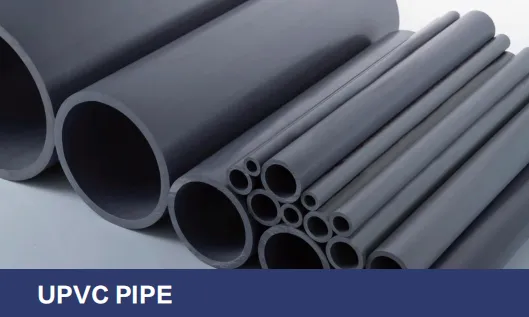
In the world of modern construction, few materials have earned the trust of builders, plumbers, and homeowners quite like UPVC (Unplasticized Polyvinyl Chloride) pipes. Whether you're renovating a residential bathroom, setting up a commercial kitchen, or maintaining a hospital's plumbing system, chances are you've encountered UPVC pipe solutions in action. Known for their durability, corrosion resistance, and cost-effectiveness, these pipes have become a staple in everything from water supply lines to drainage systems. But even the most reliable materials face hiccups—and when your UPVC pipes start acting up, knowing how to troubleshoot can save you time, money, and a lot of frustration.
In this guide, we'll walk through the most common issues you might face with UPVC pipe solutions, break down their root causes, and share practical steps to fix them. We'll also touch on when it's time to call in the experts—like your trusted
upvc pipe supplier
or
pvc dwv pipe supplier
—to ensure your plumbing system stays in top shape. Whether you're a seasoned plumber or a DIY homeowner, this article is designed to feel like a conversation with a knowledgeable friend who's been there, done that.
Understanding UPVC Pipes: Why They're Everywhere
Before diving into troubleshooting, let's take a quick moment to appreciate why UPVC pipes are so popular. Unlike their plasticized PVC counterparts, UPVC pipes are rigid, strong, and, making them ideal for carrying water, waste, and even certain chemicals. They're lightweight (easy to install!), resistant to rust and rot, and can handle a wide range of temperatures—though not extreme heat, which we'll get to later. You'll find them in:
-
Residential plumbing:
From kitchen sinks to bathroom showers, UPVC pipes often handle fresh water supply and drainage (that's where
pvc dwv pipe solutions
come in—DWV stands for Drainage, Waste, and Vent, by the way).
-
Commercial buildings:
Offices, malls, and restaurants rely on UPVC for their robust drainage systems and low maintenance needs.
-
Institutional settings:
Hospitals, schools, and hotels (which also use specialized materials like Class A fireproof CPL inorganic boards for safety) often choose UPVC for its hygiene and durability.
But here's the thing: even the best materials have limits. UPVC pipes can develop issues over time, especially if they're installed incorrectly, exposed to harsh conditions, or just plain old. Let's tackle the most common problems one by one.
Common Issues with UPVC Pipe Solutions (and How to Fix Them)
1. Leaks: The Sneaky Culprit
There's nothing more frustrating than discovering a puddle under your sink or a damp spot on the ceiling—and nine times out of ten, a leaky UPVC pipe is to blame. Leaks can happen anywhere along the pipe, but they're most common at joints, connections, or spots where the pipe has been damaged. Let's break down what's happening and how to fix it.
Signs You've Got a Leak
First, how do you even know it's a leak? Look out for:
-
Visible water stains on walls, ceilings, or floors
-
A musty, moldy smell (even if you can't see water)
-
Low water pressure in faucets or showers
-
Unexplained spikes in your water bill
Root Causes of Leaks
Leaks rarely happen without a reason. Here are the most common culprits:
-
Poor installation:
If the pipe wasn't cut straight, the joints weren't sealed properly, or the solvent cement was applied too thinly, leaks are almost inevitable. Even a tiny gap can turn into a big problem over time.
-
Physical damage:
Accidental hits from a hammer during renovation, shifting foundation, or even tree roots (yes, roots can wrap around underground UPVC pipes too!) can cause cracks or splits.
-
Chemical exposure:
While UPVC is resistant to most household chemicals, strong acids, alkalis, or solvents (like drain cleaners used incorrectly) can eat away at the pipe's surface, leading to pinholes or brittleness.
-
Thermal expansion:
UPVC pipes expand and contract with temperature changes. If they're not given enough room to move (i.e., no expansion joints), this stress can cause joints to pull apart.
Troubleshooting Steps
Okay, you've spotted the signs—now what? Let's track down that leak:
-
Turn off the water:
Safety first! Locate the shutoff valve for the affected area (under the sink, near the toilet, or the main water line) and turn it off to prevent more water damage.
-
Inspect visually:
Grab a flashlight and check all visible pipes, joints, and connections. Look for drips, wet spots, or green/white mineral deposits (a telltale sign of a slow leak).
-
Check hidden areas:
If the leak isn't obvious, try feeling along pipes for dampness. For underground pipes, look for soggy patches in the yard or unusually green grass (a sign of constant water flow).
-
Pressure test (for suspected hidden leaks):
If you're dealing with a water supply line, you can hire a plumber to perform a pressure test. A drop in pressure indicates a leak somewhere in the system.
Fixing the Leak
Once you've found the leak, the solution depends on its size and location:
-
Small pinholes or cracks:
Use a UPVC repair kit (available at hardware stores or from your
upvc pipe supplier
). These usually include a rubber patch and epoxy putty—clean the area, apply the putty, and wrap the patch tightly. Let it cure for the recommended time before turning the water back on.
-
Leaky joints:
If the leak is at a solvent-welded joint, it might be due to incomplete bonding. For a temporary fix, wrap Teflon tape around the joint and secure it with a hose clamp. For a permanent fix, you'll need to cut out the joint, clean the pipes, and reapply solvent cement (ask your
upvc pipe supplier
for the right type—some cements work better for wet conditions).
-
Large cracks or splits:
If the pipe is severely damaged, replace the section. Measure the damaged area, cut it out with a pipe cutter (straight cuts are key!), and install a new section using couplings. If you're unsure about the size or type of pipe, bring a sample to your
upvc pipe supplier
—they'll help you find the perfect match.
Pro tip: If the leak is in a hard-to-reach spot (like inside a wall) or you're not confident in your DIY skills, don't hesitate to call a plumber. They'll have the tools and expertise to fix it without causing more damage.
2. Blockages: When Water Stops Flowing
There's a special kind of panic that sets in when you flush the toilet and the water starts rising instead of draining. Blockages are another common issue with UPVC pipes, especially in
pvc dwv pipe solutions
that handle waste. Let's figure out why they happen and how to unclog them.
Signs of a Blockage
Blockages usually announce themselves loud and clear:
-
Slow-draining sinks, tubs, or showers
-
Gurgling sounds coming from drains or toilets
-
Water backing up into other fixtures (e.g., a sink gurgling when you flush the toilet)
-
A foul odor coming from drains (think rotten eggs—yuck!)
What Causes Blockages?
Most blockages are preventable with a little care, but here are the usual suspects:
-
Foreign objects:
Hair, food scraps, dental floss, and even toys (thanks, kids!) can get stuck in pipes. In kitchens, grease is a big culprit—it solidifies as it cools, forming a sticky trap for other debris.
-
Incorrect slope:
Drainage pipes need a slight slope (usually 1/4 inch per foot) to let gravity do its job. If the slope is too shallow, water moves slowly, and solids settle, causing clogs.
-
Tree roots:
Underground
pvc dwv pipe solutions
are vulnerable to tree roots, which are attracted to moisture and nutrients in the waste water. Roots can grow into tiny cracks, expand, and block the pipe completely.
-
Collapsed pipes:
In rare cases, a blockage might be due to a pipe that's collapsed or shifted underground (often from soil erosion or heavy machinery). This is more serious and usually requires professional help.
Troubleshooting Blockages
Before grabbing the plunger, try to narrow down where the blockage is:
-
Single fixture:
If only your kitchen sink is clogged, the blockage is probably in the P-trap (the U-shaped pipe under the sink). If multiple fixtures are affected (e.g., toilet and shower), the clog is likely in the main sewer line.
-
Check the vent stack:
A blocked vent stack (the pipe that sticks out of your roof) can cause slow drainage too—air can't flow, so water gets trapped. If you suspect this, call a professional to inspect the roof vent.
Unclogging the Pipe
Let's start with the easiest fixes and work our way up:
-
Plunger:
For sinks and toilets, a plunger is your first line of defense. For sinks, cover the overflow hole with a wet rag to create suction, then plunge vigorously (up and down, not side to side). For toilets, use a flange plunger (the one with the rubber cup) and push gently at first to avoid splashing.
-
Drain snake (auger):
If the plunger doesn't work, try a drain snake. insert the end into the drain, turn the handle to feed it in, and when you feel resistance, twist and pull to break up the clog. Avoid using chemical drain cleaners before snaking—if the cleaner sits in the pipe and you later use a snake, it can splash back and burn you.
-
Chemical cleaners:
Use these as a last resort (and never mix different types!). Follow the instructions carefully—most require you to pour the cleaner in, wait 15-30 minutes, then flush with hot water. If the clog remains, don't add more cleaner—call a plumber instead.
-
Hydro-jetting:
For severe clogs (especially tree roots), a professional plumber might use hydro-jetting—a high-pressure water stream that blasts away debris. This is effective but best left to the experts to avoid damaging the pipes.
Prevention is key here! Use strainers in sinks and showers to catch hair and food, avoid pouring grease down the drain (let it cool and throw it in the trash), and remind your family not to flush wipes, feminine products, or paper towels—even if they say "flushable." Your
pvc dwv pipe supplier
might also recommend periodic maintenance with a bacterial drain cleaner, which breaks down organic matter without harming the pipes.
3. Joint Failures: When Connections Let Go
UPVC pipes are only as strong as their weakest joint. Whether they're connected with solvent cement, rubber gaskets, or threaded fittings, joints can fail for a variety of reasons. Let's talk about the most common joint issues and how to fix them.
Types of Joint Failures
Not all joint failures look the same. Here are the two main types you'll encounter:
-
Socket joint leaks:
These happen at the point where one pipe slides into another (like a puzzle piece). You might see water dripping or spraying from the gap between the pipes.
-
Solvent weld separation:
Solvent cement is supposed to melt the UPVC surfaces and bond them together. If the bond is weak, the joint might split or separate, especially under pressure or thermal stress.
Why Joints Fail
Joints are tricky because even small mistakes during installation can lead to big problems later:
-
Inadequate solvent application:
If you don't apply enough cement, or if you apply it to only one surface (both the pipe and fitting need cement!), the bond won't form properly.
-
Dirty or wet pipes:
Solvent cement needs a clean, dry surface to work. Oil, dirt, or water on the pipes will prevent bonding.
-
Thermal expansion/contraction:
As we mentioned earlier, UPVC pipes move with temperature changes. If joints are rigidly fixed (no room to expand), they can pull apart over time.
-
Over-tightening threaded joints:
Threaded UPVC joints (less common than solvent-welded) can crack if you too hard with a wrench—hand-tight plus a quarter turn is usually enough.
Fixing Joint Failures
The solution depends on the joint type and severity:
-
Minor socket joint leaks:
For a temporary fix, wrap the joint with Teflon tape and secure it with a hose clamp. For a permanent fix, drain the pipe, dry the area, and apply a bead of UPVC primer and cement around the joint (wear gloves and work in a well-ventilated area!). Let it cure for at least 24 hours before turning the water back on.
-
Failed solvent welds:
Unfortunately, once a solvent weld fails, it's hard to repair. You'll need to cut out the joint, clean the pipes, and re-weld them with fresh cement. If the pipe is old or brittle, replace the section entirely (your
upvc pipe supplier
can help you find matching parts).
-
Threaded joint leaks:
If a threaded joint is leaking, check if the threads are damaged. If not, wrap Teflon tape around the male threads (clockwise direction) and re-tighten. If the threads are stripped, replace the fitting.
Pro tip: When installing new joints, always follow the instructions from your
upvc pipe supplier
. They'll specify the right primer, cement, and curing time for their products—and trust us, cutting corners here isn't worth it.
4. Chemical and Temperature Damage: When UPVC Meets Its Match
We've mentioned that UPVC is resistant to many chemicals, but it's not invincible. Similarly, while it handles moderate temperatures well, extreme heat can cause problems. Let's explore these issues and how to avoid them.
Chemical Damage
UPVC pipes can be damaged by strong acids (like sulfuric acid in some drain cleaners), strong alkalis (like lye), and certain organic solvents (like acetone or benzene). Signs of chemical damage include:
-
Discoloration (yellowing, dark spots)
-
Brittleness (the pipe cracks easily when bent)
-
Swelling or softening of the pipe surface
To fix chemical damage: If the pipe is only slightly discolored but still structurally sound, you might get away with monitoring it. But if it's brittle or swollen, replace the section immediately—this is a safety hazard. To prevent it, always check the chemical compatibility of any product you pour down the drain (your
upvc pipe supplier
can provide a compatibility chart) and avoid using harsh drain cleaners regularly.
Temperature Damage
UPVC pipes start to soften at around 140°F (60°C) and can warp or melt at higher temperatures. This is why you'll rarely find them in hot water lines for radiators or industrial processes (that's where
ppr pipe and fitting supplier
products come in—PPR pipes handle higher temps better). Signs of heat damage include:
-
Deformed or bent pipes
-
Leaks at joints (from expansion)
-
Reduced water flow (due to narrowing from warping)
To fix temperature damage: replace the damaged section with new UPVC pipe, and make sure it's not installed near heat sources (like boilers, furnaces, or even direct sunlight in hot climates). For hot water lines, consider switching to PPR pipes (ask your
ppr pipe and fitting supplier
about their heat-resistant options) or insulate the UPVC pipes with foam sleeves to protect them from heat.
UPVC vs. Other Pipes: A Quick Comparison
Sometimes, troubleshooting is easier when you understand how UPVC stacks up against other common pipe materials. Let's take a look at how it compares to PPR (Polypropylene Random Copolymer) and PVC DWV pipes—two materials you might encounter in plumbing systems.
|
Feature
|
UPVC Pipes
|
PPR Pipes
|
PVC DWV Pipes
|
|
Common Uses
|
Water supply, drainage, chemical transport
|
Hot and cold water supply (residential/commercial)
|
Drainage, waste, vent systems (no pressure)
|
|
Temperature Resistance
|
Up to 140°F (60°C)
|
Up to 212°F (100°C) (hot water safe)
|
Up to 140°F (60°C) (but not for pressure)
|
|
Jointing Method
|
Solvent cement, threaded
|
Heat fusion (no solvents, strong bond)
|
Solvent cement, push-fit gaskets
|
|
Troubleshooting Focus
|
Leaks at solvent joints, chemical damage
|
Fusion joint failures, heat degradation
|
Blockages, vent issues, slope problems
|
|
Supplier Expertise
|
upvc pipe supplier
|
ppr pipe and fitting supplier
|
pvc dwv pipe supplier
|
As you can see, each material has its strengths and weaknesses. Knowing these helps you troubleshoot smarter—if you're dealing with a hot water line clog, for example, you'd focus on PPR-specific issues, whereas a drainage clog would point you toward
pvc dwv pipe solutions
.
Preventive Maintenance: Keeping Your UPVC Pipes Happy
They say an ounce of prevention is worth a pound of cure—and that's definitely true for UPVC pipes. Here are some simple habits to keep your plumbing system running smoothly:
-
Inspect regularly:
Every few months, check visible pipes for leaks, cracks, or discoloration. Pay extra attention to joints and areas near heat sources or chemicals.
-
Clean drains monthly:
Pour a mixture of baking soda and vinegar down sinks and tubs, let it sit for 30 minutes, then flush with hot water. This prevents grease buildup and minor clogs.
-
Protect from the elements:
Insulate outdoor UPVC pipes in cold climates to prevent freezing (frozen water expands and can burst pipes!). In hot climates, shield pipes from direct sunlight with paint or foam sleeves.
-
Know your limits:
Don't use UPVC pipes for applications they're not designed for—like high-temperature industrial processes or carrying gasoline. When in doubt, ask your
upvc pipe supplier
for guidance.
-
Work with reputable suppliers:
Quality matters! A reliable
upvc pipe supplier
or
pvc dwv pipe supplier
will provide pipes that meet industry standards, reducing the risk of premature failure. They'll also offer expert advice on installation and maintenance.
When to Call the Pros: Knowing Your Limits
We've covered a lot of DIY fixes, but there are times when it's better to call in the experts. Here are some red flags that mean you should pick up the phone:
-
Major leaks:
If water is gushing out of a pipe and you can't shut it off, call a plumber immediately to avoid water damage.
-
Main sewer line clogs:
If plunging and snaking don't work, the clog might be deep in the main line—professionals have cameras to locate it and equipment to remove it.
-
Collapsed or broken underground pipes:
Soggy yards, foul odors, or multiple fixture backups could mean a pipe has collapsed underground. This requires excavation and should be handled by a licensed plumber.
-
Chemical or heat damage:
If you suspect your pipes have been damaged by chemicals or extreme heat, a professional can assess the extent of the damage and recommend replacement.
And don't forget about your suppliers! Your
upvc pipe supplier
or
pvc dwv pipe supplier
isn't just there to sell you pipes—they're a wealth of knowledge. If you're unsure about a repair, need replacement parts, or want to upgrade your system, give them a call. Many suppliers offer technical support and can even connect you with trusted plumbers in your area.
Wrapping Up: Your UPVC Pipes Are Tough—But They Need Love Too
UPVC pipes are workhorses of the plumbing world, but like any hardworking friend, they need a little care to stay in top form. From leaks and blockages to joint failures and chemical damage, the issues we've covered are all manageable with the right knowledge and tools. Remember: troubleshooting is about patience, observation, and knowing when to ask for help—whether that's from a plumber or your go-to
upvc pipe supplier
.
We hope this guide has felt less like a technical manual and more like a chat with someone who wants to help you succeed. The next time your UPVC pipes act up, take a deep breath, walk through the steps we've outlined, and remember: you've got this. And if you don't? There's always a supplier or plumber ready to lend a hand.
Here's to leak-free pipes, clear drains, and a plumbing system that works as hard as you do!