


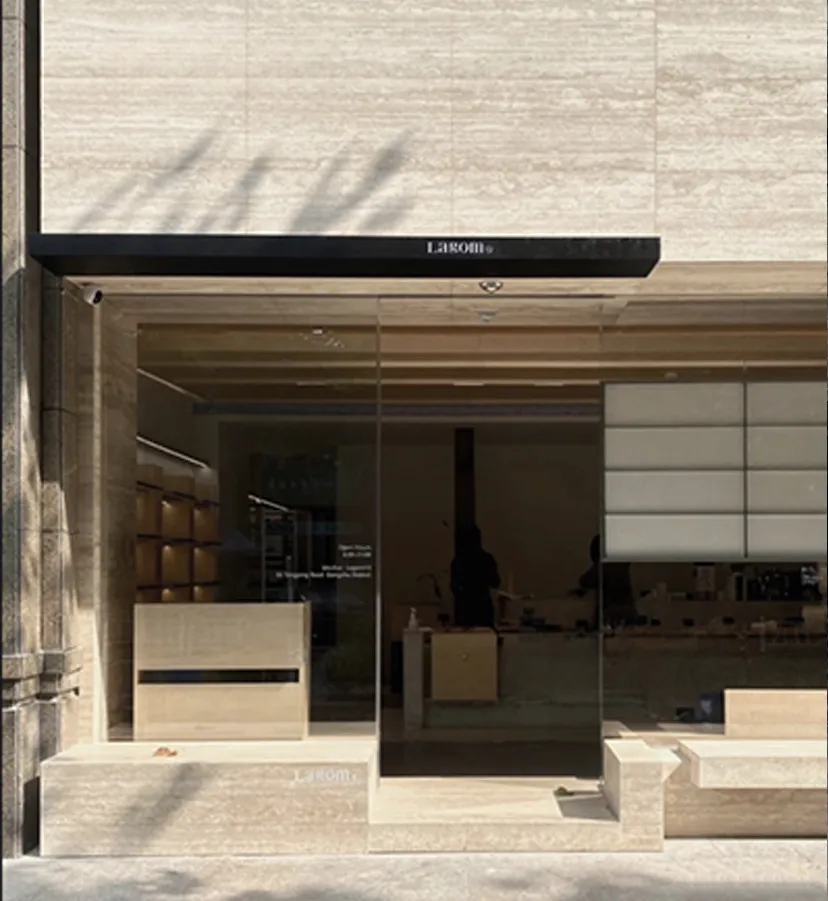
Imagine running your fingers across cool, textured stone that's witnessed millennia unfold. That's the magic of natural stone in architecture – materials that carry Earth's geological poetry into our living spaces. Unlike cold, manufactured surfaces, stones like travertine, sandstone, and slate tell stories through their unique patterns and imperfections. They're not just building materials; they're fragments of history transformed into functional art.
The Soul of Stone: Why Natural Materials Resonate
When we choose natural stone, we're choosing authenticity . Each piece develops a rich patina over time – a visual diary of its journey. Travertine captures ancient bubbles in stone, sandstone remembers desert winds in its layered grains, and slate recalls mountain-forming pressures in its crystalline structure. This inherent uniqueness makes every installation one-of-a-kind.
Sustainability & Longevity
With nearly zero manufacturing emissions compared to synthetics, stones have low carbon footprints. Properly maintained, stone installations can outlast buildings themselves – Roman travertine structures still stand proudly after 2,000 years.
Thermal Harmony
Natural stone regulates temperature like no other material. On summer days, slate floors stay refreshingly cool, while sandstone walls slowly release absorbed warmth during chilly evenings, cutting energy costs.
Emotional Architecture
We respond instinctively to stone's tactile nature. The subtle imperfections create visual softness, while variations in texture provide sensory richness often missing in artificial surfaces.
Travertine: The Ethereal Canvas
Formed around mineral springs, travertine captures the dance between water and stone. Its signature porous surface reveals fossilized bubbles trapped during formation – like geological memories sealed in stone.
Core Characteristics:
- Texture Symphony: Ranges from smooth honed finishes to dramatically pitted surfaces begging to be touched
- Color Palette: Ivory, walnut, gold, and silver tones with subtle veining
- Structural Personality: Medium hardness (4-5 Mohs), moderately porous
Breathing Life into Design: Travertine Applications
- Spa-like Sanctuaries: Bathrooms where steamy air highlights travertine's luminous quality
- Sun-Drenched Courtyards: Pool surrounds that stay cool underfoot while blending with landscaping
- Storytelling Walls: Feature walls where directional lighting emphasizes the stone's depth and texture
- Tablescapes: Dining tables that become geological conversation pieces
Design Tip: Seal travertine for high-moisture areas but embrace its natural patina development elsewhere.
Sandstone: Earth's Poetry in Layers
Sandstone captures time itself – each layer represents centuries of mineral deposition compressed into beautiful striations. Its grains hold hues ranging from sun-bleached creams to iron-rich rusts, reflecting desert landscapes.
Defining Qualities:
- Textural Narrative: From fine-grained smooth finishes to deeply rippled surfaces
- Earth Tones: Warm beiges, honey golds, ochres, and plum-rust hues
- Structural Identity: Varying hardness (6-7 Mohs), porosity depends on mineral composition
Where Sandstone Truly Sings
- Sunlit Terraces: Flooring that develops character as footsteps gently polish high-traffic paths
- Rustic Fireplace Suites: Surrounds whose colors intensify with firelight's glow
- Boundary Narratives: Garden walls that harmonize with plant textures
- Artisan Sculptures: Carvings revealing the stone's sedimentary secrets
Building material supplier insight: Prioritize dense, quartz-rich sandstone for wet areas requiring extra durability.
Slate: Nature's Architectural Blueprint
Slate remembers pressure – transformed from shale through immense tectonic forces. Its signature cleavage allows it to split along near-perfect planes, creating surfaces where each tile tells a story of metamorphic transformation.
Distinctive Features:
- Surface Character: Cleaved texture provides natural slip resistance
- Mineral Palette: Charcoal grays, forest greens, deep purples with iron speckles
- Structural Essence: Hard (5.5-6 Mohs), minimal water absorption when properly cleaved
Mastering Slate Applications
- Weather-Defying Roofs: Centuries of waterproof performance in European architecture
- Entry Statements: Foyers where slate's cleaved texture announces a transition space
- Outdoor Artistry: Garden paths creating subtle reflections after rain
- Modern Simplicity: Kitchen backsplashes providing sophisticated contrast to cabinetry
Pro Tip: Source gauged slate for flooring to minimize lippage and achieve uniform surfaces.
Comparative Guide: Stone Selection Matrix
| Characteristic | Travertine | Sandstone | Slate |
|---|---|---|---|
| Hardness (Mohs) | 4-5 | 6-7 | 5.5-6 |
| Water Absorption | High | Moderate-High | Very Low |
| Best Finish | Honed or Filled | Natural Split Face | Natural Cleft |
| Freeze-Thaw Resilience | Poor (seal required) | Good (dense varieties) | Excellent |
Preserving Beauty: Sustainable Practices
The narrative of natural stone continues to evolve with responsible quarrying techniques reducing landscape disruption. Modern quarries:
- Recycle 94% of water used in processing
- Restore landscapes through progressive rehabilitation
- Create 50-70% less CO2 than ceramic tile production
Choosing local stone varieties dramatically reduces transportation emissions – a crucial factor in truly sustainable architecture.
Living Design: Stones Creating Human Experiences
Beyond technical specifications, stones shape our emotional landscape. Picture arriving home to a travertine entry that glows warmly beneath soft lighting, or reading in a sandstone-clad alcove that whispers of canyon walls. Envision preparing meals on your slate countertop, its textures reminding you of ancient mountain formations.
This tangible connection to geology transforms spaces into experiences. When slate flooring feels cool beneath your feet on a summer morning, or sandstone pavers soak up afternoon sun before releasing warmth during evening gatherings, you're engaging in a sensory dialogue with natural materials.
The Lasting Legacy
While stone's material durability is measurable in centuries, its true legacy lives in how it makes us feel. These materials withstand time gracefully, unlike manufactured products trying to appear worn. Authentic weathering in travertine corners, natural patinas on sandstone, and oxidation patterns on slate aren't defects - they're beautiful records of place.
By selecting natural stone, we create layers of history within our living spaces, letting Earth's materials shape environments that resonate deeply with the human spirit.










