
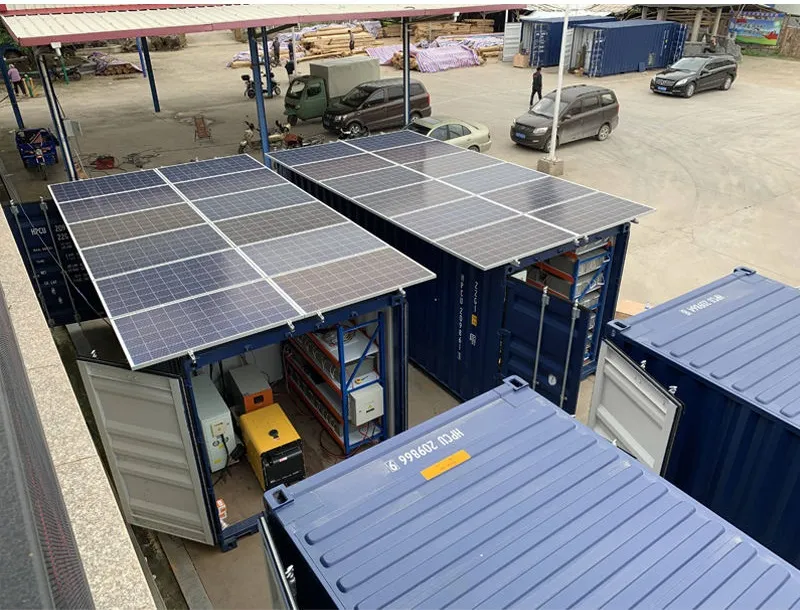
Hey there! If you've ever wondered what makes solar panels tick (or rather, generate power ), you'll know the silicon cells get all the glory. But let me tell you a secret: the unsung hero is actually the glass covering those cells. This isn't just any regular window glass—it's the gatekeeper that decides how much sunlight actually reaches the photovoltaic cells. Today, we're diving deep into how the thickness and composition of this glass affect two critical factors: light transmittance and weight .
Think about it like this: Solar panels are like high-performance athletes. The glass is their protective gear—too bulky and it slows them down; too thin and they're vulnerable. Getting this balance right makes all the difference between a solar panel that performs well and one that truly shines.
You might assume thicker glass is always better—after all, it should offer more protection, right? Well, not exactly. It’s a bit of a Goldilocks situation. Go too thick, and suddenly your solar panels are struggling to let in enough light. Too thin? You risk damage from hailstorms or fallen branches. Let's break down what happens at different thickness levels:
Most commercial solar panels use glass in the 3-4mm range . Here’s why:
Transmittance:
Around 91-93% of sunlight passes through—enough to keep efficiency high.
Weight:
Adds about 10-15kg to a standard 60-cell panel, manageable for rooftop installations.
Protection:
Handles moderate impacts and weather conditions well.
Cost:
Strikes a good balance between performance and manufacturing expenses.
Imagine installing these on your rooftop—they’re not too heavy for most structures, and you get reliable performance without breaking the bank.
In harsh environments—think heavy snowfall or frequent hailstorms—some manufacturers opt for thicker glass:
️
Pros:
Superior protection against impact damage; longer lifespan in extreme conditions.
Cons:
Light transmittance drops to 87-89%, shaving off 2-4% efficiency. Weight spikes to 18-22kg per panel, requiring reinforced mounting systems.
Cost Impact:
Both material and installation costs rise significantly.
These are like the armored tanks of solar panels—great for industrial sites but often overkill for residential rooftops.
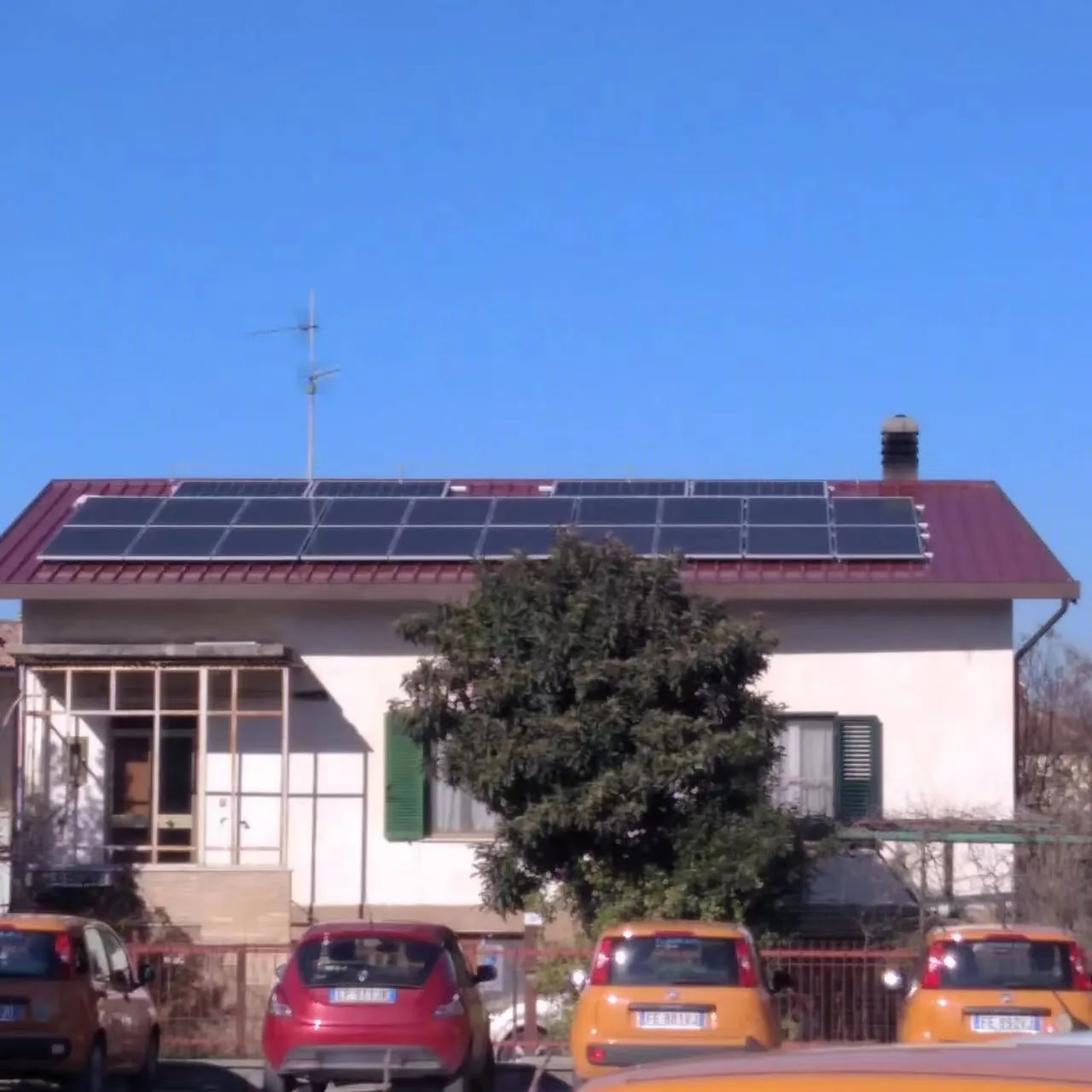
Thickness is just part of the story. What's in the glass matters just as much! Most panels don’t use regular soda-lime glass—they specialize.
Here’s where things get fascinating. Standard glass contains iron oxides that give it a subtle green tint. While barely noticeable to our eyes, this tint actually absorbs sunlight instead of letting it through. Enter low-iron tempered glass —a rockstar in solar tech. By reducing iron content, manufacturers create glass with:
95-97% transmittance—nearly invisible to sunlight
Better light diffusion across all wavelengths
Improved efficiency across cloudy days
This glass lets sunlight pass through so efficiently, it’s like removing a pair of sunglasses from your solar cells. For solar panel suppliers, this often becomes the default choice.
You’ve probably noticed how solar panels sometimes look dark blue or black without glare? That’s thanks to anti-reflective (AR) coatings—an ultrathin chemical layer applied to the glass surface. Here’s what they do:
Minimize reflection losses by 3-5%—equivalent to free power!
Improve light capture during early morning/late afternoon
Create hydrophobic surfaces that shed dirt and raindrops
Think of AR coatings as turning your solar glass into a one-way mirror: light enters easily but can’t escape back out.
Fun fact: Many premium panels stack both technologies—low-iron glass with AR coatings—for combined efficiency gains of up to 8%. That’s like adding extra solar cells without the cost!
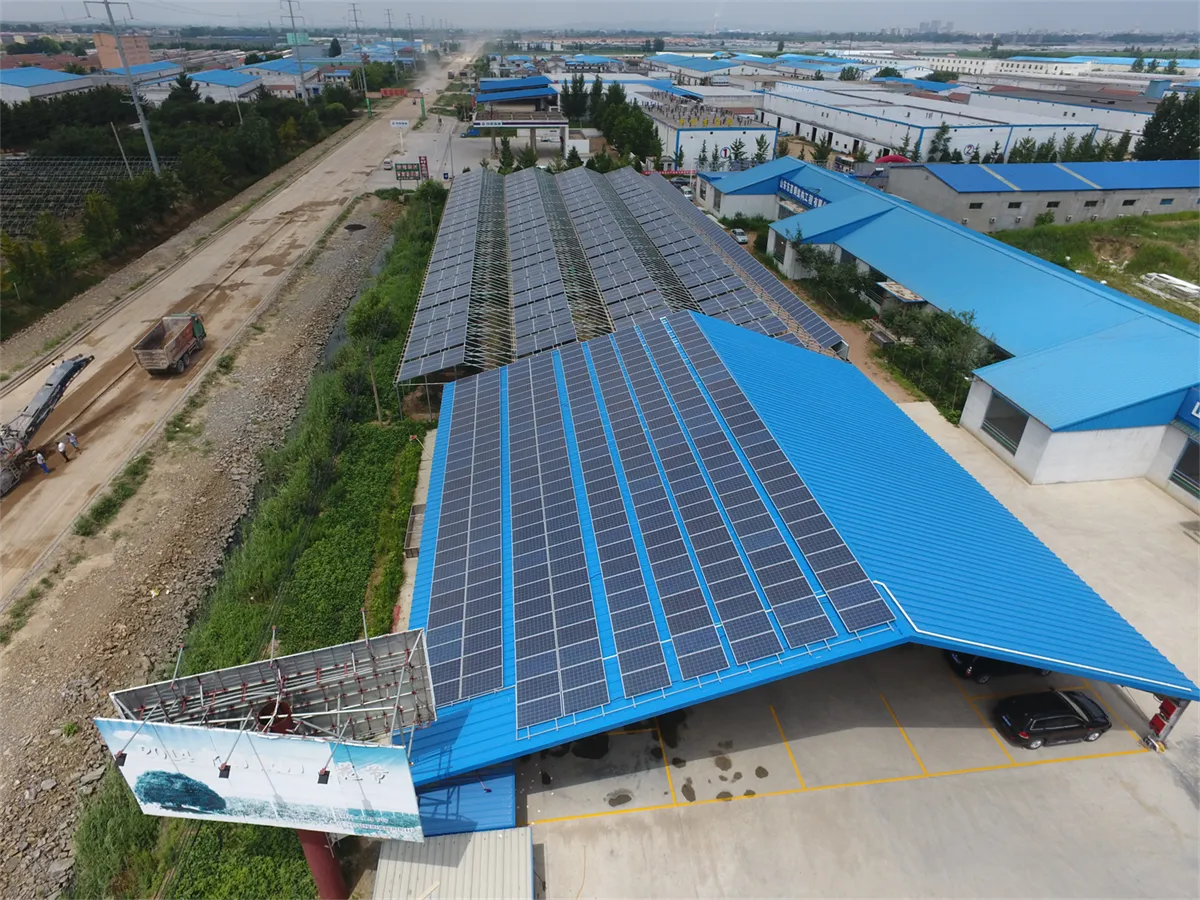
When installing solar panels, weight isn’t just about shipping costs—it impacts safety, structural requirements, and installation time. Let’s compare the numbers:
| Glass Thickness | Weight per m² | Total Panel Weight | Roof Reinforcement Needed? |
|---|---|---|---|
| 3mm | 7.5kg | ~18kg | Rarely |
| 4mm | 10kg | ~22kg | Sometimes |
| 6mm | 15kg | ~28kg | Usually |
For projects where weight is critical—like RVs, boats, or older buildings—manufacturers now offer ultra-thin 1.6-2mm glass reinforced with polymers:
40% weight reduction
Good flexibility for curved surfaces
Decent durability for light-duty applications
Sure, you sacrifice a little durability, but you gain installation flexibility where traditional panels just won’t fit.
Just when you thought glass tech had peaked, researchers are cooking up some revolutionary ideas:
Self-cleaning glass:
Photocatalytic coatings that break down organic debris using UV light
Switchable opacity:
Electrochromic glass that adjusts tint to prevent overheating
Quantum dot layers:
Convert UV light to visible wavelengths for more energy capture
Hybrid structures:
Combining glass with transparent solar cells for double-duty surfaces
For solar panel suppliers investing in R&D, this could mean a complete reimagining of what panels look like and where they can be installed.
So what’s the bottom line for your solar project?
1️⃣ For most residential setups: Stick with 3-4mm
low-iron tempered glass
with AR coating. It’s the sweet spot between efficiency, weight, and cost.
2️⃣ In harsh climates: Consider 5-6mm glass despite the weight penalty—it’ll withstand decades of abuse.
3️⃣ For specialized applications: Explore thin-glass options where weight savings trump maximum durability.
Remember, glass isn’t just a protective cover—it’s an active player in your energy harvest. Choosing the right thickness and composition means your panels will quietly work harder, last longer, and ultimately put more savings back in your pocket.
Your relationship with solar energy deserves more than just functional technology—it deserves thoughtful design. Because the sunlight reaching your panels? It's literally the power to change how you live.
Recommend Products












