Walk into a bustling shopping mall, a serene hotel lobby, or a cutting-edge corporate office, and you'll quickly realize that commercial spaces are more than just structures—they're experiences. The walls, floors, and façades shape how customers feel, how employees work, and how brands are remembered. In recent years, one material has emerged as a game-changer in this realm: MCM flexible cladding stone wall panels. Lightweight yet durable, versatile yet timeless, these panels are redefining what's possible in commercial design. Whether you're a designer aiming to create a memorable brand space or a business owner seeking materials that balance aesthetics with practicality, understanding MCM's potential is key to transforming ordinary spaces into extraordinary ones.
What Are MCM Flexible Cladding Stone Wall Panels?
At first glance, MCM panels might look like traditional stone—rich textures, earthy tones, and a natural finish that exudes warmth. But beneath that familiar exterior lies innovation. MCM, short for Metal Composite Material, is a sandwich-structured panel made by bonding two thin layers of metal (typically aluminum) to a non-aluminum core. This unique composition gives MCM panels the best of both worlds: the visual appeal of natural stone and the functional benefits of modern engineering. Unlike rigid stone slabs or heavy ceramic tiles, MCM panels are flexible, lightweight, and adaptable—traits that make them ideal for commercial settings where design freedom and efficiency matter most.
Think of it this way: traditional stone cladding, while beautiful, often requires extensive structural support due to its weight. Installation can be slow and labor-intensive, driving up project timelines and costs. MCM panels, by contrast, weigh up to 80% less than natural stone, reducing strain on building frames and cutting installation time significantly. Their flexibility is another standout feature—these panels can bend to follow curved walls, archways, or custom geometric shapes, allowing designers to break free from flat, boxy spaces. For a
commercial building materials supplier, this versatility makes MCM a go-to solution for clients with bold visions but tight deadlines.

Why Commercial Spaces Are Embracing MCM Cladding
The rise of MCM flexible cladding in commercial design isn't just a trend—it's a response to real-world challenges. Let's break down the benefits that make these panels a top choice for architects, designers, and business owners alike.
Aesthetics Without Compromise
: MCM panels come in a staggering range of finishes, from rough-hewn "rustic stone" textures to smooth, polished "marble" looks. This variety means they can complement any brand identity—whether you're aiming for a cozy café vibe, a high-end retail store, or a sleek tech office. Suppliers often offer custom color matching, too, so businesses can align their cladding with brand palettes. Imagine a boutique hotel chain wanting to reflect local culture: a
mcm flexible cladding stone wall panel supplier could create panels that mimic regional stone, tying the space to its surroundings without the cost of importing natural materials.
Durability for High-Traffic Areas
: Commercial spaces see a lot of action—scuffs, bumps, moisture, and even the occasional spill. MCM panels are built to withstand this wear and tear. The aluminum outer layers resist corrosion, while the core material is often moisture-resistant, making them suitable for humid environments like restaurants or indoor pools. Unlike painted walls that fade or natural stone that can chip, MCM cladding maintains its look for years with minimal maintenance—just occasional cleaning with mild soap and water. For busy spaces like airports or shopping centers, this longevity translates to lower long-term costs.
Safety and Compliance
: In commercial construction, safety codes are non-negotiable—especially in sectors like healthcare, education, or hospitality. Many MCM panels are fire-rated, meeting strict standards for flame spread and smoke development. This is a critical advantage over materials like wood or some plastics, which may not offer the same level of protection. When paired with solutions like class A fireproof cpl inorganic board for hospital and school applications, MCM cladding helps create spaces that prioritize safety without sacrificing style. For example, a children's hospital might use MCM panels in waiting areas for their warm, calming aesthetic, while relying on fireproof CPL boards in treatment rooms to meet healthcare regulations.
Sustainability Matters
: Today's businesses and consumers care deeply about sustainability, and building materials are no exception. MCM panels are often made with recycled aluminum, and their lightweight nature reduces transportation emissions during delivery. Because they're easy to install and require fewer raw materials than traditional cladding, they also lower a project's carbon footprint. For brands looking to earn green certifications or appeal to eco-conscious customers, choosing MCM is a tangible way to demonstrate commitment to sustainability.
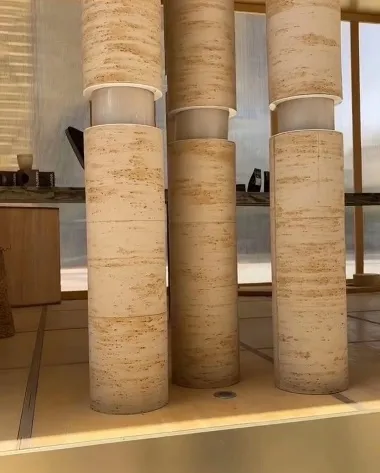
MCM Applications Across Commercial Sectors
MCM's versatility shines in its ability to adapt to diverse commercial needs. Let's explore how it's transforming spaces across key sectors:
Retail: Creating Memorable Brand Experiences
In retail, first impressions are everything. A store's design must draw customers in, reflect the brand's identity, and encourage browsing. MCM panels excel here, offering the flexibility to create unique feature walls, product displays, or even entire storefronts. For example, a luxury cosmetics brand might use MCM panels with a marble-like finish to evoke elegance, while a streetwear brand could opt for a rugged, stone-textured panel to convey edginess. Because MCM is lightweight, retailers can easily update their interiors for seasonal campaigns—no need for major renovations. A
commercial building materials supplier specializing in retail solutions might also pair MCM with complementary products like porcelain slab tile for wall accents, creating layered, visually engaging spaces that keep customers coming back.
Hospitality: Balancing Luxury and Practicality
Hotels, restaurants, and resorts thrive on ambiance. Guests expect spaces that feel both luxurious and welcoming, but these spaces also need to withstand heavy foot traffic, food spills, and frequent cleaning. MCM panels rise to the challenge. In hotel lobbies, they can be used to clad entire walls or create focal points like fireplaces or reception desks, adding texture without overwhelming the space. In restaurants, MCM's moisture resistance makes it ideal for kitchen backsplashes or dining area walls, where spills are inevitable. For beachfront resorts, MCM's corrosion resistance protects against saltwater and humidity, ensuring the exterior façade stays vibrant year-round. When integrated with
architectural façade solutions, MCM panels can also enhance curb appeal—think a boutique hotel with a curved MCM-clad exterior that stands out in a crowded skyline.
Healthcare and Education: Safety Meets Serenity
Hospitals and schools have unique demands: safety, cleanliness, and a calming environment. MCM panels, with their fire-resistant properties, are a natural fit. In pediatric clinics, soft, stone-textured MCM walls can reduce anxiety by creating a home-like atmosphere, while in schools, durable MCM cladding stands up to playful students and daily wear. What's more, MCM is non-porous, making it easy to sanitize—critical in healthcare settings where infection control is paramount. For these sectors, pairing MCM with class A fireproof cpl inorganic board solutions adds an extra layer of protection. Imagine a school auditorium with MCM-clad walls that meet strict fire codes, or a hospital corridor where MCM panels and CPL boards work together to create a space that's both safe and soothing.
Corporate Offices: Inspiring Productivity
Modern offices are no longer just workspaces—they're hubs for collaboration and creativity. MCM panels help design teams craft environments that inspire employees. Open-concept offices might use MCM to divide zones without closing off space, while executive suites could feature custom MCM accent walls for a polished, professional look. The material's lightweight nature also makes it ideal for high-rise office buildings, where reducing structural load is essential. Plus, MCM's thermal insulation properties can improve energy efficiency, lowering heating and cooling costs—a win for both businesses and the planet.
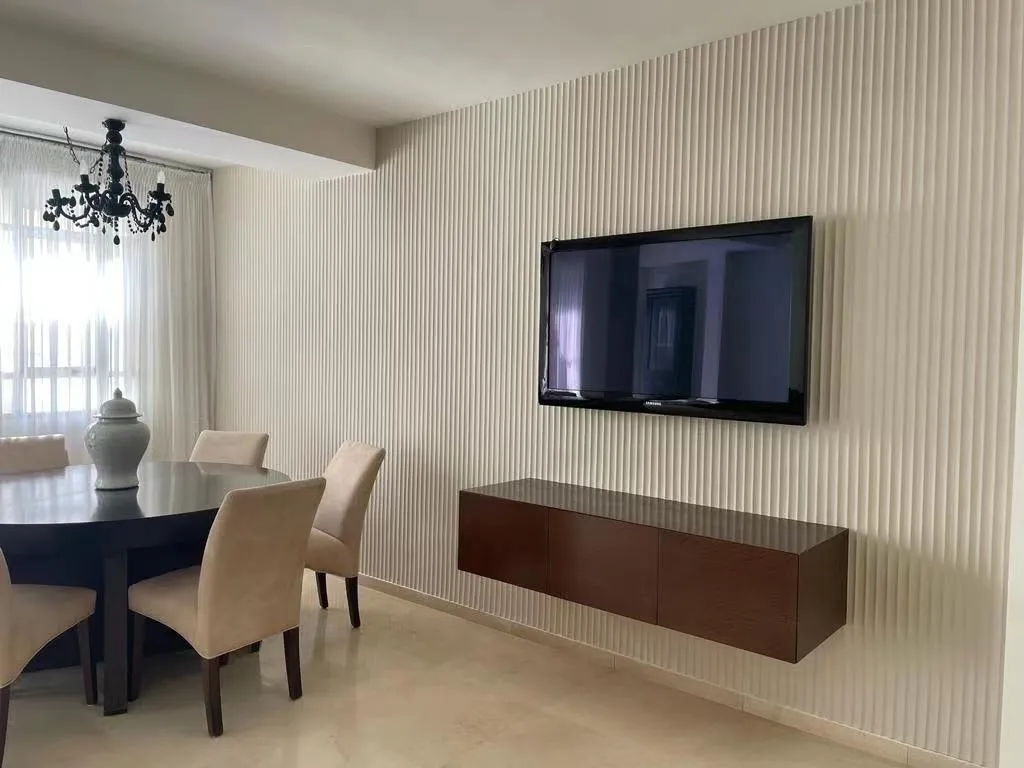
How MCM Compares to Other Cladding Materials
To truly appreciate MCM's value, it helps to see how it stacks up against other common cladding materials. Below is a comparison of MCM with natural stone, porcelain slab tile, and PU stone—three alternatives often considered for commercial projects.
|
Material
|
Flexibility
|
Weight (per sq.m)
|
Installation Time
|
Fire Resistance
|
Cost (Relative)
|
|
MCM Flexible Cladding
|
High (bends to curves/arches)
|
4-6 kg
|
Fast (lightweight, easy to cut)
|
Excellent (often Class A rated)
|
Moderate
|
|
Natural Stone (Granite/Marble)
|
Low (rigid, brittle)
|
25-30 kg
|
Slow (requires structural support)
|
Good (varies by stone type)
|
High
|
|
Porcelain Slab Tile
|
Low (thick, inflexible)
|
15-20 kg
|
Moderate (heavy, requires precise cutting)
|
Good (fire-resistant, not always Class A)
|
Moderate-High
|
|
PU Stone Panels
|
Medium (limited flexibility)
|
8-10 kg
|
Moderate
|
Fair (may not meet Class A standards)
|
Moderate
|
The table tells a clear story: MCM outperforms traditional materials in flexibility, weight, and installation speed, while holding its own in fire resistance and cost. For commercial projects with tight deadlines or unique design requirements, these advantages can make all the difference.

Choosing the Right MCM Supplier
Great materials are only as good as the supplier behind them. When selecting a
mcm flexible cladding stone wall panel supplier, look for partners who offer more than just products—they should provide expertise, reliability, and a commitment to quality. A reputable
commercial building materials supplier will understand your project's specific needs, whether it's custom colors for a retail brand or fire-rated panels for a hospital. They should also offer technical support, from installation guidance to after-sales service, ensuring your project runs smoothly from start to finish.
Additionally, consider a supplier's range of complementary solutions. Many commercial projects require multiple materials—for example, MCM for exterior façades, class A fireproof CPL boards for interior walls, and porcelain slabs for flooring. A supplier that offers a one-stop shop for these products can simplify logistics, reduce costs, and ensure consistency in quality across your project.
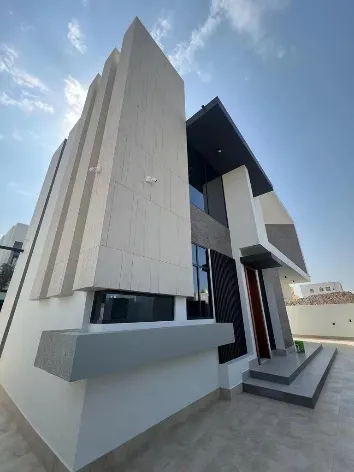
The Future of Commercial Design with MCM
As commercial spaces evolve, so too will the materials that shape them. MCM panels are poised to play an even bigger role in the future, driven by advancements in sustainability and technology. We're already seeing suppliers experiment with recycled cores and low-VOC coatings, making MCM even more eco-friendly. On the design front, digital printing technology is allowing for hyper-realistic finishes—think MCM panels that mimic rare stones or even custom artworks. In the years ahead, we can expect MCM to become even more integrated with smart building systems, such as panels that regulate temperature or display digital content, blurring the line between form and function.
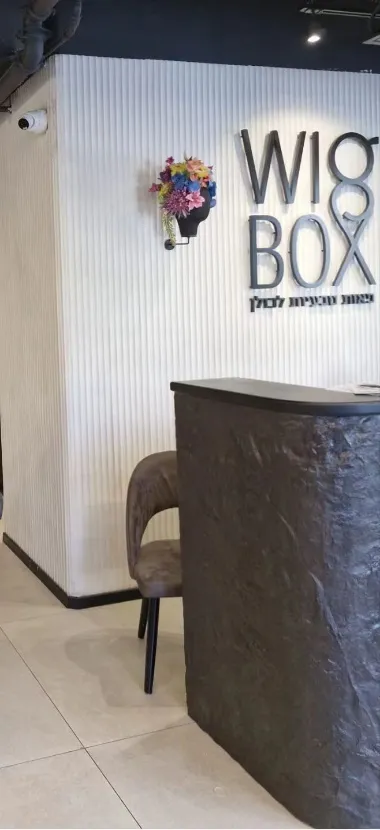
Conclusion: Transforming Spaces, One Panel at a Time
Commercial spaces are dynamic, ever-changing environments that demand materials as adaptable as the businesses they house. MCM flexible cladding stone wall panels aren't just a trend—they're a solution that meets the needs of modern design: aesthetic versatility, functional durability, and sustainable innovation. From retail stores that tell brand stories to hospitals that prioritize safety, MCM is transforming how we experience commercial spaces. As you embark on your next project, consider the possibilities: a lightweight, flexible, and beautiful material that can turn your vision into reality. With the right supplier and a little creativity, MCM panels can help you build spaces that don't just serve a purpose—they inspire.













