
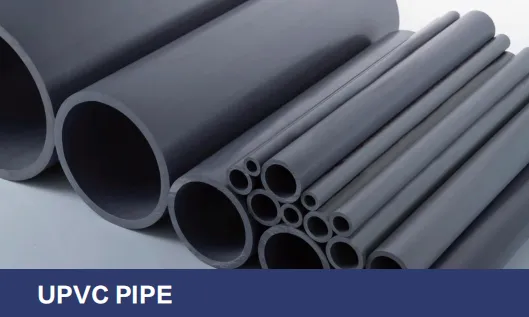
Think about the last time you turned on a faucet, flushed a toilet, or took a hot shower. Chances are, you didn't give a second thought to the network of pipes working behind the walls, under the floors, and beneath the ground to make it all happen. Plumbing is the silent backbone of any building—residential, commercial, or industrial. For decades, we relied on tried-and-true materials like copper, galvanized steel, and cast iron to build these systems. But as technology evolves, so do our options. Enter modern solutions like UPVC pipe solutions, PVC DWV pipe solutions, and PPR pipe and fitting solutions—materials that are quietly revolutionizing how we design, install, and maintain plumbing systems.
Whether you're a homeowner planning a renovation, a contractor bidding on a new project, or a facilities manager tasked with keeping a hospital or school running smoothly, the choice between traditional plumbing and modern UPVC-based systems isn't just about cost. It's about efficiency, durability, and long-term peace of mind. In this article, we'll dive into the world of traditional plumbing materials, explore what makes UPVC solutions stand out, and break down how they stack up against each other in real-world scenarios. Let's start by peeling back the curtain on the old guard.
For most of the 20th century, if you built a house or commercial building, your plumbing likely included one (or more) of three materials: copper, galvanized steel, or cast iron. Each came with its own set of strengths, but as time went on, their weaknesses became harder to ignore.
Copper has long been revered for its durability and heat resistance. Walk into any older home, and you might still find copper pipes gleaming under the sink—some of which have been in service for 50 years or more. It's malleable, meaning it can bend without breaking, and it's naturally resistant to bacteria, making it a popular choice for drinking water systems. But here's the catch: copper is expensive. In recent years, global copper prices have fluctuated wildly, driving up material costs for projects large and small. Installation isn't cheap either—copper pipes require skilled labor to cut, bend, and solder, which adds to the overall bill. And while copper is corrosion-resistant, it's not immune. In areas with hard water, mineral deposits can build up inside the pipes over time, restricting water flow. Plus, copper reacts poorly with certain chemicals, like those found in some fertilizers or cleaning products, which can lead to pinhole leaks if the pipes are exposed.
Galvanized steel pipes—steel pipes coated in a layer of zinc to prevent rust—were once a budget-friendly alternative to copper. They're strong, can handle high water pressure, and were widely used in residential plumbing from the 1930s to the 1980s. But that zinc coating? It eventually wears off. Once exposed, the steel underneath begins to rust, and over time, that rust can flake off into the water supply, discoloring it and even clogging fixtures. Imagine turning on your kitchen faucet and seeing brownish water sputter out—that's galvanized steel pipes failing. On average, galvanized steel pipes last 20–30 years, which might sound like a long time, but when you factor in the cost of replacing them (which often involves tearing into walls and floors), it's a hidden expense many homeowners aren't prepared for.
Cast iron is the workhorse of drain, waste, and vent (DWV) systems. Its thick, rigid walls can handle the weight of heavy waste and the pressure of flowing water, making it a staple in commercial buildings and older homes. But "heavy" is the operative word here—cast iron pipes are extremely dense, which makes them difficult to transport and install. A single 10-foot section can weigh 50 pounds or more, requiring multiple workers to maneuver. Over time, cast iron is prone to corrosion, especially in areas with acidic soil or high humidity. It's also porous, which means it can absorb odors—a problem you don't want in a DWV system. And if a cast iron pipe cracks or leaks? Repairing it often means replacing entire sections, since patching is rarely a long-term solution.
By the late 20th century, the plumbing industry was ready for a change. Enter UPVC—unplasticized polyvinyl chloride—a rigid, lightweight plastic that's been a game-changer. Unlike regular PVC (which is plasticized and more flexible), UPVC is strengthened with additives that make it stiffer, more heat-resistant, and less prone to warping. But UPVC isn't alone in this modern revolution. It's often paired with related solutions like PVC DWV pipe solutions (designed specifically for drain, waste, and vent systems) and PPR pipe and fitting solutions (a type of plastic pipe ideal for hot water applications). Together, these materials are redefining what "efficient plumbing" looks like.
UPVC pipes are made by mixing polyvinyl chloride resin with stabilizers, lubricants, and pigments, then extruding the mixture into rigid tubes. The "unplasticized" part is key—unlike flexible PVC (used in things like garden hoses), UPVC has no added plasticizers, which means it retains its shape and strength even under pressure. It's also incredibly lightweight—about 1/5 the weight of copper and 1/10 the weight of cast iron—making it easy to transport, carry up ladders, and install without heavy equipment. And because it's non-metallic, it's completely resistant to corrosion, rust, and chemical damage. Whether you're running it through acidic soil, connecting it to a chlorine-treated water supply, or using it to drain harsh cleaning chemicals in a commercial kitchen, UPVC holds its own.
While UPVC is great for water supply lines, PVC DWV pipe solutions are designed specifically for drain, waste, and vent systems—the pipes that carry wastewater away from sinks, toilets, and showers and vent odors out of the building. DWV pipes have larger diameters than supply pipes (typically 1.5 inches and up) and feature smooth interiors that prevent clogs from hair, food scraps, and debris. They're also lightweight and easy to cut, which speeds up installation. One of the biggest advantages of PVC DWV pipes? They're affordable. Compared to cast iron, which can cost $10–$20 per linear foot, PVC DWV pipes often come in at $2–$5 per linear foot, and that's before factoring in the savings on labor.
While UPVC and PVC DWV are stars for cold water and drainage, PPR pipe and fitting solutions shine when hot water is involved. PPR (polypropylene random copolymer) is a type of plastic that can withstand temperatures up to 95°C (203°F), making it ideal for hot water lines in homes, hotels, and hospitals. Like UPVC, PPR is lightweight and corrosion-resistant, but it has an added benefit: it's joined using heat fusion, creating a seamless, leak-proof bond that's stronger than the pipe itself. This makes PPR a popular choice for radiant heating systems and hot water distribution in large buildings, where reliability is non-negotiable.
Now that we understand the basics, let's compare traditional plumbing materials and modern UPVC-based solutions across the metrics that matter most: installation ease, cost, durability, maintenance, and real-world performance.
Installing traditional pipes is labor-intensive. Copper requires soldering, which means a skilled plumber with a torch, flux, and solder. Galvanized steel needs threading—a process that involves cutting grooves into the pipe ends to connect fittings, which is time-consuming and messy. Cast iron? It often requires a team of workers to lift and position, plus specialized tools to join sections with gaskets or cement. For a typical 2,000-square-foot home, installing copper supply lines and cast iron DWV pipes could take a crew of 2–3 plumbers 3–4 days.
Modern solutions? A different story. UPVC pipes can be cut with a simple handsaw, and fittings are joined using solvent cement—a process that takes minutes, not hours. PPR pipes use heat fusion tools that are portable and easy to learn, allowing even less experienced installers to create strong bonds quickly. PVC DWV pipes snap together with rubber gaskets or glue, eliminating the need for heavy lifting or specialized skills. That same 2,000-square-foot home? With UPVC and PVC DWV pipes, the same crew might finish in 1–2 days. Faster installation means lower labor costs and shorter project timelines—music to any contractor's ears.
Let's talk numbers. For a small commercial project—say, a 10,000-square-foot office building—here's how the costs might break down:
That's a savings of 40–60% upfront. But the savings don't stop there. Traditional systems often need repairs within 10–20 years (think: replacing rusted steel pipes or fixing copper leaks). Modern systems, on the other hand, can last 50–100 years with minimal upkeep, meaning you'll spend less on replacements and repairs over time.
Copper pipes can last 50+ years, but they're susceptible to pinhole leaks from corrosion, especially in areas with aggressive water chemistry. Galvanized steel averages 20–30 years before rust takes hold. Cast iron might hit 50 years, but it's prone to cracking in freezing temperatures and can develop leaks at joints over time.
UPVC pipe solutions, by contrast, are built to last. They're resistant to corrosion, rust, and chemical damage, and their rigid structure stands up to temperature fluctuations (from -10°C to 60°C for UPVC). PVC DWV pipes handle moisture and odors without degrading, and PPR pipes can withstand hot water for decades without weakening. In fact, many manufacturers offer 50-year warranties on UPVC and PPR systems—a testament to their longevity.
Traditional pipes demand attention. Copper pipes can develop scale buildup, which requires periodic flushing with chemicals or mechanical cleaning. Galvanized steel needs regular checks for rust spots, and if you notice discolored water, you're looking at a costly replacement. Cast iron pipes are prone to clogs, thanks to their rough interiors, which trap hair and debris. Over time, that means calling a plumber to snake drains or repair leaks—expenses that add up.
Modern systems are low-maintenance by design. UPVC and PPR pipes have smooth interiors that resist scale and clogs, reducing the need for frequent drain cleaning. PVC DWV pipes don't rust or corrode, so you won't find yourself replacing sections every 20 years. And because they're lightweight and easy to access, repairs (when needed) are quick and affordable. For a busy facility manager at a hospital or school, this translates to fewer disruptions and lower long-term maintenance budgets.
In an era of increasing environmental awareness, the choice of plumbing materials matters. Copper mining is energy-intensive and can lead to habitat destruction. Galvanized steel production emits significant CO2, and cast iron manufacturing requires large amounts of coal. Plus, when traditional pipes fail, they often end up in landfills, as recycling them is costly and complex.
UPVC and PPR pipes, by contrast, have a smaller carbon footprint. They're made from plastic, which requires less energy to produce than metal, and many manufacturers use recycled materials in their production. UPVC is also fully recyclable—old pipes can be melted down and repurposed into new ones. And because modern systems last longer, they reduce the need for frequent replacements, cutting down on waste over time. For eco-conscious builders or homeowners aiming for LEED certification, this is a major plus.
| Criteria | Traditional (Copper/Steel/Cast Iron) | Modern (UPVC/PVC DWV/PPR) |
|---|---|---|
| Installation Time | 3–4 days for a 2,000 sq ft home | 1–2 days for a 2,000 sq ft home |
| Material Cost (per linear foot) | $5–$20 (copper/cast iron) | $1–$5 (UPVC/PVC DWV/PPR) |
| Lifespan | 20–50 years (varies by material) | 50–100 years |
| Corrosion Resistance | Low (steel rusts; copper corrodes over time) | High (resistant to rust, chemicals, and moisture) |
| Maintenance Needs | Frequent (scale buildup, rust checks, clogs) | Minimal (smooth interiors, no corrosion) |
| Environmental Impact | High (energy-intensive production, hard to recycle) | Low (recyclable, lower carbon footprint) |
While modern solutions like UPVC pipe solutions and PVC DWV pipe solutions offer clear advantages, there are still scenarios where traditional materials make sense. For example, in historic buildings where preserving the original architecture is a priority, copper pipes might be required to maintain authenticity. In extremely high-temperature applications (like industrial boilers), copper or stainless steel may still be the best choice. But for most residential, commercial, and institutional projects, modern systems are the smarter bet.
In 2023, a large hospital in Saudi Arabia faced a problem: its aging copper hot water pipes were developing pinhole leaks, leading to water damage and mold growth in patient rooms. Replacing the copper pipes with new copper would have cost $300,000 and required shutting down entire wings for weeks. Instead, the facility manager opted for PPR pipe and fitting solutions. The PPR pipes were lightweight enough to be installed through existing walls without major demolition, and the heat fusion joints ensured leak-proof performance. The project was completed in half the time, cost $150,000 (half the original estimate), and the hospital reported zero leaks in the first year. Plus, the PPR's smooth interior reduced bacterial growth—a critical factor in a healthcare setting.
A homebuilder in Riyadh was constructing 50 townhouses and wanted to keep costs low without sacrificing quality. Initially, they planned to use galvanized steel for water supply and cast iron for DWV systems. But after crunching the numbers, they switched to UPVC pipe solutions and PVC DWV pipe solutions. The result? Material costs dropped by 40%, and installation time per unit went from 3 days to 1 day. The builder saved $250,000 on the project and received positive feedback from homeowners, who reported lower utility bills (thanks to reduced water pressure loss in UPVC's smooth pipes) and no issues with rust or clogs in the first five years.
Despite their advantages, modern plumbing solutions still face skepticism. Let's debunk a few myths:
Traditional plumbing materials like copper, galvanized steel, and cast iron served us well for decades, but they're no longer the only option. Modern solutions—UPVC pipe solutions, PVC DWV pipe solutions, and PPR pipe and fitting solutions—offer a winning combination of efficiency, affordability, and durability that's hard to beat. They're faster to install, cheaper to maintain, and better for the environment, making them ideal for everything from single-family homes to large hospitals and commercial complexes.
Of course, every project is unique. If you're working on a historic renovation or need extreme temperature resistance, traditional materials might still have a role to play. But for most of us, the choice is clear: modern plumbing solutions aren't just the future—they're the smarter, more efficient present. So the next time you turn on that faucet, take a moment to appreciate the innovation flowing through those pipes. Chances are, it's UPVC, and it's working harder, longer, and better than ever before.
Recommend Products












