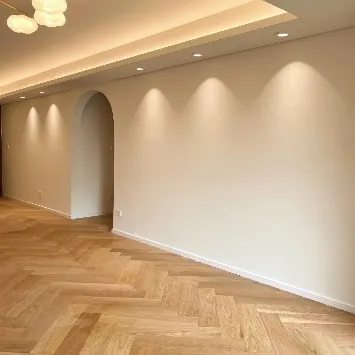
Hey there! If you've ever walked into a gallery or museum and been captivated by how perfectly lit the exhibits are, you've witnessed the magic of properly adjusted track lighting. Getting those spotlights angled just right isn't just technical work—it's an art form that transforms spaces and creates emotional connections.
Whether you're setting up a home gallery, retail display, or museum installation, mastering spotlight angles makes the difference between ordinary lighting and breathtaking illumination that makes artworks
pop
.
Why Precision Lighting Matters
Think about the last time an artwork really grabbed your attention. Chances are, careful lighting played a starring role. Spotlights are like the unsung heroes of visual presentation:
-
Creates drama
by highlighting textures and details you'd otherwise miss
-
Guides the eye
exactly where you want people to look
-
Sets the mood
through strategic shadows and highlights
-
Adds dimensionality
by creating layers of light that give flat objects depth
-
Conceals flaws
while emphasizing strengths of each piece
Ever noticed how a well-lit diamond seems to sparkle from within? That's not accidental – it's
precision lighting
at work. The same principles apply when illuminating exhibits, where proper angles can make colors richer, textures more tactile, and details crisper.
The Nuts and Bolts: Understanding Your Gear
Beam Angles Explained
Beam angle is like the spotlight's fingerprint – it determines how your light behaves. Getting this right is half the battle:
-
Narrow beams (10-30°)
: Your precision scalpels. Perfect when you want to spotlight jewelry or highlight a signature on artwork without lighting the surrounding area
-
Medium beams (30-45°)
: The versatile all-rounders. Great for spotlighting medium sculptures or creating clusters of light in product displays
-
Wide beams (45-60°)
: Floodlights for ambiance. Ideal for illuminating wall murals or creating soft background lighting
Pro tip:
Think beyond the specs. A "45° beam" behaves differently when mounted at 8ft versus 15ft. Always do test lighting before finalizing positions!
Color Temperature & CRI – Secret Weapons
These technical specs make or break your lighting:
Color temperature
creates atmosphere:
-
Warm whites (2700K-3000K)
: Feel cozy and intimate, like candlelight for sculptures
-
Neutral whites (3500K-4100K)
: Crisp and clean, ideal for modern art galleries
-
Cool whites (5000K-6500K)
: Energetic and clinical, great for medical or scientific displays
CRI (Color Rendering Index)
is your color accuracy guarantee. For galleries, never settle below 90 CRI. Low-CRI lighting makes reds look muddy and blues washed out – an artist's nightmare!
Hands-On Adjustments: Your Step-by-Step Playbook
Time to roll up sleeves! Here's how the pros do it:
-
Safety first:
Kill power at the breaker. Lights bite when you least expect!
-
Position your ladder:
Sounds basic, but wobbly ladders cause most lighting accidents. Place it squarely under your track section.
-
Loosen but don't remove:
Turn the locking knobs counter-clockwise just enough to slide heads. Over-loosening leads to droopy fixtures.
-
Slide smartly:
Space heads based on purpose - cluster tight for accent walls, spread wide for even coverage.
-
Angle with intention:
Pivot heads while mentally drawing lines to the exhibit's key features. 30-45° angles usually work best.
-
The glare check:
Walk around the exhibit. Squint. See hotspots? Tweak angles until reflections disappear.
-
Layer lighting:
Use different beam angles together - wide for background, medium for objects, narrow for details.
-
Final polish:
Tighten knobs firmly but gently. Over-tightening strips plastic gears inside fixtures.
Level up your game:
Use a laser pointer from the exhibit back to the light to visualize the light path before adjusting. It's like having X-ray vision for lighting!
Pro Techniques Museum Curators Use
Creating Focal Points Like a Pro
Focal lighting is about making one thing shine while everything else fades:
-
The 3:1 ratio
: Make key exhibits 3x brighter than surrounding areas
-
Edge lighting:
Position spotlights slightly behind sculptures to create glowing outlines
-
Texture revelation:
Use
shallow side angles
(15-20°) to reveal surface details on sculptures
Ever notice how the Mona Lisa seems to glow while the background fades? That's carefully calculated focal lighting at work!
Atmosphere Alchemy
Lighting sets the emotional tone:
Mystery:
Deep shadows with small pools of light make visitors lean in closer
Drama:
Steep top-down lighting creates bold shadows that add gravitas
Invitation:
Gentle front lighting creates approachable displays for kids' museums
Modern edge:
Cool white spotlights grazing surfaces create futuristic effects
Mistakes You Don't Want to Make
Through trial and error, lighting designers learn what NOT to do:
Common Angle Errors
-
The "blinded visitor" effect:
Angles that shoot light directly into sightlines
-
Flat lighting syndrome:
Head-on lighting that kills depth and dimension
-
The hotspot halo:
Too-focused beams creating distracting bright centers
-
Rogue shadows:
Unintended shadows crossing across exhibits from adjacent lights
Friendly warning:
Never underestimate glare! A perfect angle ruined by glass reflection is heartbreaking.
Planning Pitfalls
Even pros stumble when they skip planning:
-
Not plotting lighting before hanging track
-
Ignoring how wall colors affect light temperature
-
Forgetting to consider daylight interaction
-
Assuming all track fixtures from different brands play nice together
Wrapping It Up: Lighting as Storytelling
Remember, adjusting track lighting isn't just technical tweaking - it's visual storytelling. Each angle choice whispers to visitors:
-
"Look closer at this detail..."
-
"Feel the texture here..."
-
"Notice how this changes from different angles..."
The most successful galleries understand their lighting systems as
architectural lighting solutions
- complete ecosystems that serve both aesthetics and function.
Final thought:
Great lighting disappears. When done perfectly, visitors won't notice your spotlights - they'll only feel the magic and wonder that comes from perfectly illuminated exhibits. That's when you know your angle adjustments were worth every minute!