
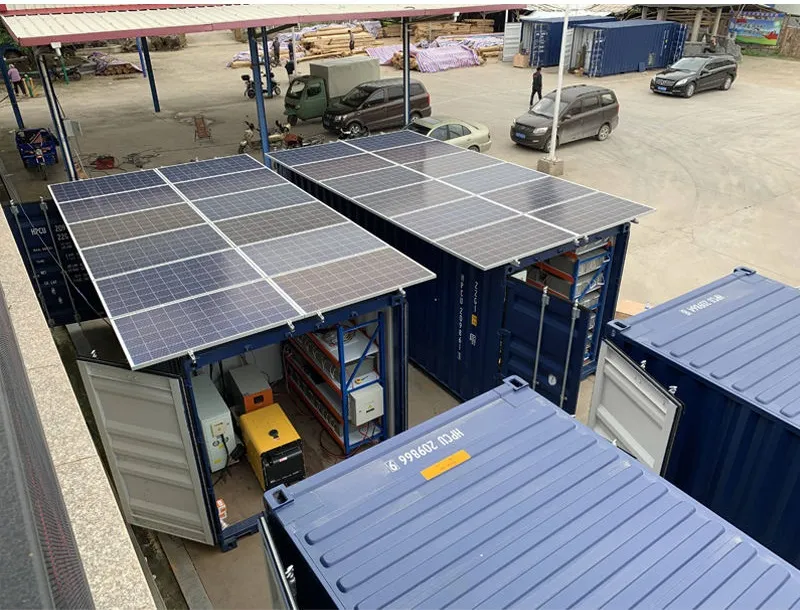
What happens when solar technologies face Earth's elements in tropical Hainan and frigid Daqing
Imagine stepping outside on a blazing summer day feeling the sun's energy radiating on your skin. Now imagine capturing that same fierce energy 8 hours a day, 365 days a year. That's exactly what researchers did when they pitted TOPCon, HJT, and PERC solar modules against each other in China's extreme climates. Forget lab reports - we're talking gritty, real-world testing where humidity sticks to your skin like plastic wrap and cold snaps make your teeth chatter.
Before we dive into results, let's meet our competitors without the technical jargon:
| Technology | What Makes It Special | Real-World Superpower |
|---|---|---|
| TOPCon | Tunnel Oxide Passivated Contact | Stays cool under pressure (literally) |
| HJT | Heterojunction Technology | Works efficiently in low/diffuse light |
| PERC | Passivated Emitter Rear Cell | The reliable workhorse of solar |
Picture this like a car race: PERC is your dependable family sedan, HJT is a hybrid with all-wheel drive, and TOPCon? That's your high-performance electric sports car with regenerative braking.
Key Difference: These aren't just minor upgrades. TOPCon and HJT represent next-generation tech with fundamentally different structures. Where PERC has been the go-to solution, these newcomers are redesigning how solar panels capture and retain energy.
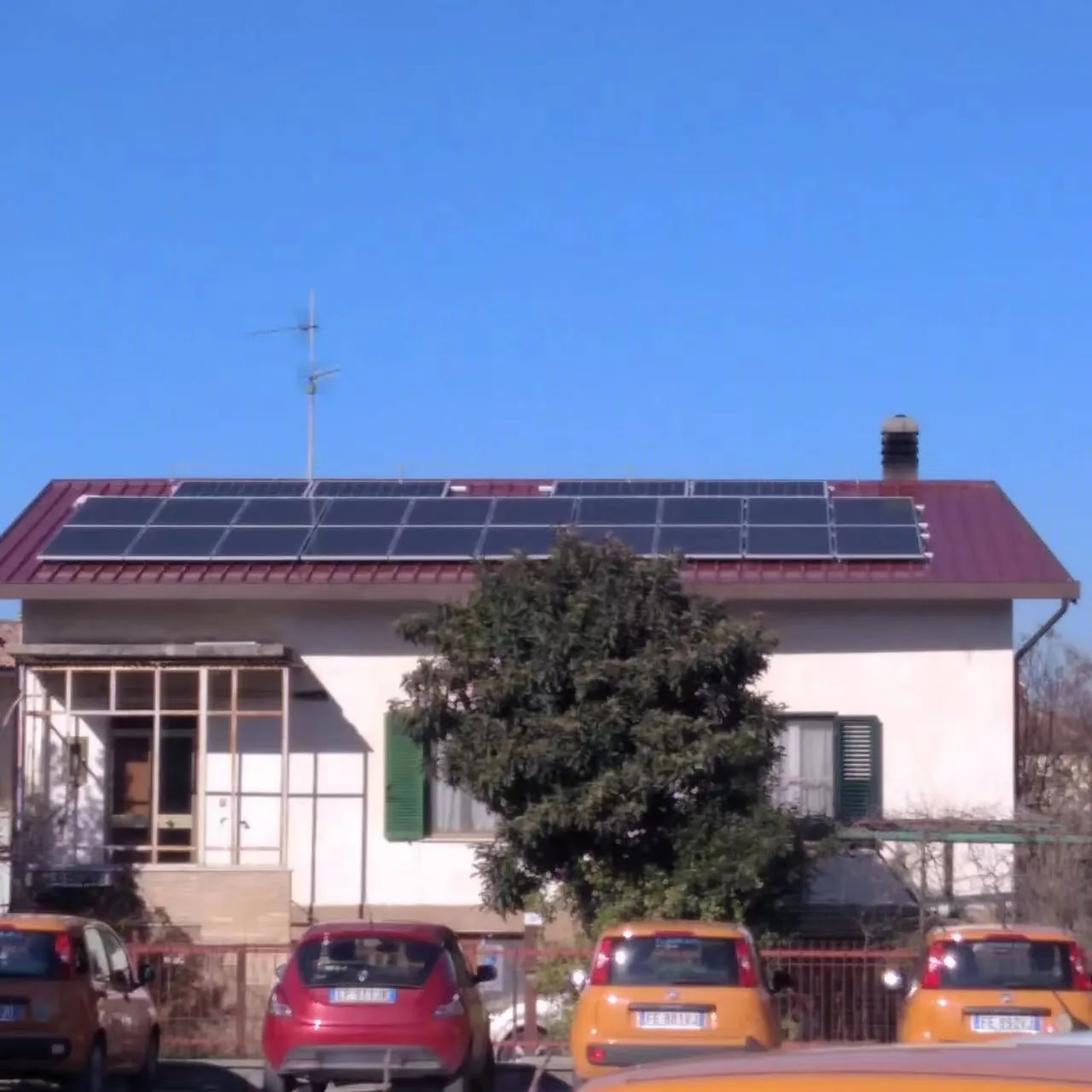
In tropical Hainan where the air feels like warm soup 24/7, researchers set up a solar battleground:
The results here were eye-opening. HJT modules emerged as humidity champions, producing 8.85% more electricity than PERC panels. TOPCon didn't slack off either, delivering 5.55% better yields than PERC. Why? It all came down to:
Temperature Coefficient: HJT's power output decreases slower than others when panels heat up (common in tropical zones)
Bifaciality: HJT (83.1%) and TOPCon (75.7%) captured significantly more rear-side light than PERC (64.4%)
Low-Light Responsiveness: TOPCon showed 0.5% better efficiency than PERC at 200W/m² light intensity
Imagine running on a beach at noon. PERC is sweating buckets, TOPCon is glistening, and HJT is practically sipping a cold drink while outrunning everyone. That's essentially what happened with these solar modules.
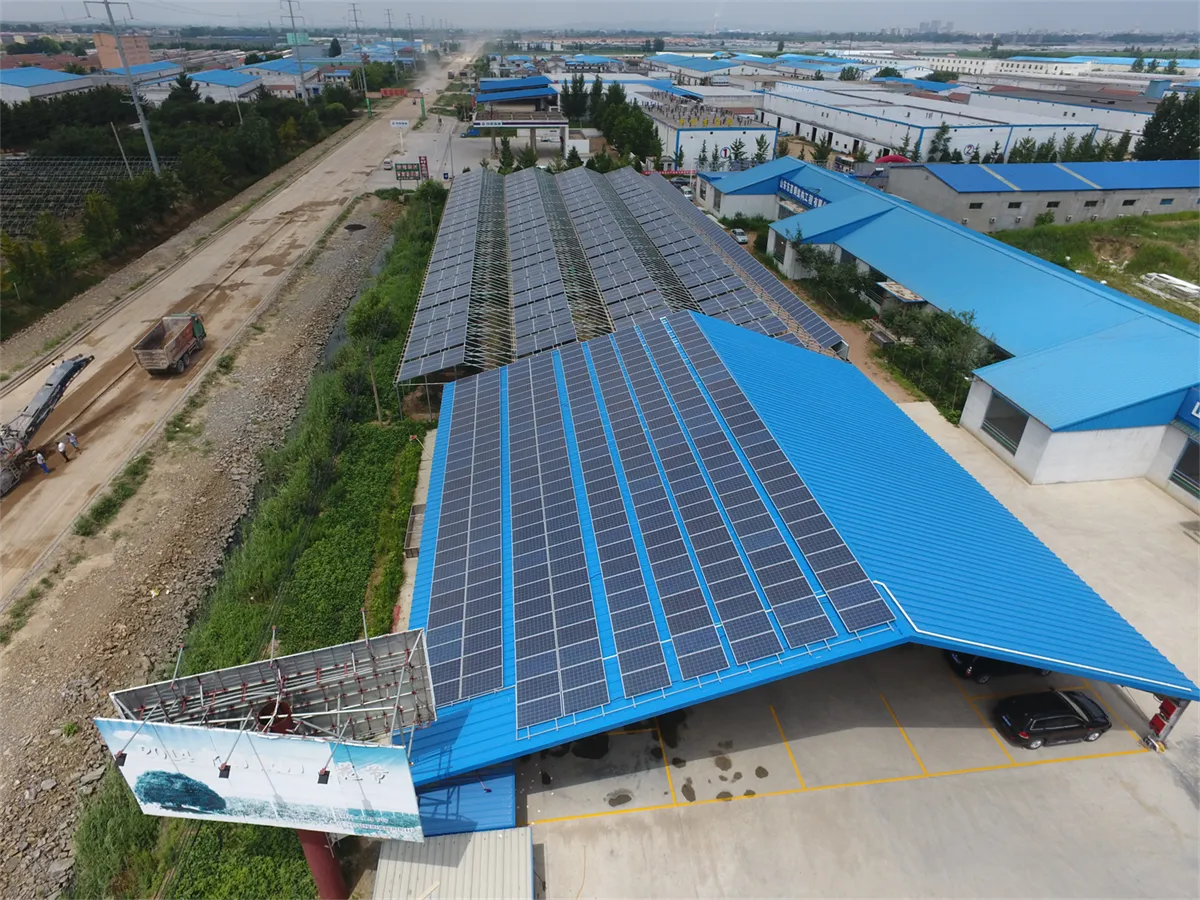
Next stop: China's northern Daqing region, where winter bites hard. State Power Investment Corporation (SPIC) conducted year-long testing at their national PV demonstration platform:
Here's where things got interesting. TOPCon became the all-around champion:
| Performance Metric | TOPCon Advantage |
|---|---|
| Energy Yield | 2.87% higher than PERC |
| Degradation Rate | 1.57%-2.51% (vs PERC's 1.54%-4.01%) |
| Low-Light Performance | Outperformed others on cloudy days/dusk |
| Versus HJT | 0.98% higher energy yield |
"The degradation numbers tell a crucial story," notes a SPIC engineer. "While HJT struggled with 8.82% degradation, TOPCon maintained steady performance. Over a 25-year lifespan, that difference could determine whether your solar investment pays off."
These real-world tests reveal patterns beyond spec sheets:
For tropical/hot climates : HJT's temperature resistance gives it an edge, though TOPCon follows closely
For four-season regions : TOPCon's balance of high yield and low degradation makes it a strong all-rounder
For budget-conscious projects : PERC remains viable, but the efficiency gap is widening
Consider solar panels like shoes for different terrains. You wouldn't wear the same footwear to a desert hike and a snowy mountain climb. These results prove solar technology needs climate-specific selection.
Industry Insight: Manufacturers are noticing these results. Trina Solar (whose modules were used in Hainan testing) now offers both TOPCon and HJT options. The market is shifting from "PERC or nothing" to nuanced solutions for different environments.
Three emerging trends from these studies:
"What surprised us," shares a Hainan researcher, "was how HJT and TOPCon responded differently to dawn/dusk conditions. TOPCon absorbed more long-wave infrared light during early/late hours, while HJT excelled with scattered light during overcast days."
For homeowners considering solar, this means asking installers not just about wattage ratings, but about:
After thousands of hours in punishing environments, the results are clear:
TOPCon emerges as the balanced champion, especially for regions with seasonal extremes. Its combination of high yield, low degradation, and consistent performance across conditions makes it particularly valuable where building materials face constant weather challenges.
HJT dominates in consistently hot, humid climates. Its remarkable temperature resistance outperforms others when the mercury rises.
PERC remains relevant for budget projects, but the efficiency gap (up to 8.85% in tropics) is becoming significant. As prices for advanced tech decrease, PERC's position weakens.
The takeaway? Solar technology isn't one-size-fits-all. Matching module technology to your local climate and specific installation conditions makes the difference between good and outstanding solar performance. As research continues, expect these distinctions to become even more crucial to solar planning and selection.
Recommend Products












