

In the world of interior design, where aesthetics and functionality collide, there's a growing pressure to do more than just create beautiful spaces. Today's designers, homeowners, and businesses are demanding materials that tell a story of responsibility—one that respects the planet without compromising on style. For many, this means rethinking the very foundation of interior decoration materials: the walls. Walls aren't just backdrops; they're the canvas on which memories are made, and choosing the right material can turn a room from ordinary to extraordinary—all while keeping sustainability at the forefront.
Take, for example, a small design firm in Riyadh tasked with revamping a community center. The client's wish list was clear: a space that felt warm and inviting, could withstand daily use by families and children, and aligned with their goal of reducing environmental impact. The designers considered everything from reclaimed wood to bamboo, but each option came with trade-offs—wood was prone to warping in humid climates, bamboo lacked the durability needed for high traffic, and synthetic alternatives felt cheap and uninspired. That's when they discovered WPC wall panels. Lightweight yet tough, eco-friendly yet versatile, these panels checked every box. And crucially, they chose a top WPC wall panel supplier to ensure the quality matched their vision.
This isn't an isolated story. As sustainable interior design moves from trend to necessity, WPC (Wood-Plastic Composite) wall panels have emerged as a game-changer. But not all WPC panels are created equal. The difference between a generic product and one from a trusted WPC wall panel supplier lies in durability, sustainability, and the ability to bring design dreams to life. In this article, we'll explore why WPC is the material of choice for sustainable projects, what sets a top supplier apart, and how their solutions can transform your next interior design venture.
Let's start with the basics: WPC stands for Wood-Plastic Composite. At its core, it's a blend of recycled wood fibers (think sawdust, wood chips, or agricultural waste) and recycled plastic (often from post-consumer bottles or packaging), mixed with a small percentage of additives like UV stabilizers and binders. The result? A material that marries the best of wood and plastic—without the drawbacks of either.
Unlike solid wood, WPC isn't prone to splitting, rotting, or attracting pests. Unlike pure plastic, it doesn't feel artificial; instead, it mimics the texture and warmth of natural materials, from oak and walnut to stone and concrete. And because it's made with up to 60% recycled content, it's a far greener choice than materials that rely on virgin resources or deforestation.
But WPC isn't just about sustainability—it's about practicality, too. These panels are lightweight, making installation a breeze (no heavy lifting or specialized tools required), and they're designed to handle the messiness of real life: spills wipe clean with a damp cloth, scratches are minimal, and they're resistant to moisture, making them ideal for kitchens, bathrooms, and basements. For designers and homeowners tired of choosing between "good for the planet" and "good for daily life," WPC wall panels are the answer.
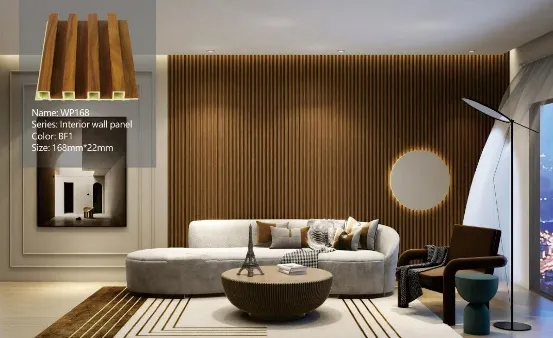
Sustainability in interior design isn't just about using "green" materials—it's about reducing waste, lowering carbon footprints, and creating spaces that last. WPC wall panels excel on all fronts, and here's why:
Every WPC panel diverts waste from landfills. The wood fibers often come from sawmills or furniture factories, repurposing scraps that would otherwise be burned or buried. The plastic component typically uses post-consumer recycled plastic, giving new life to bottles and packaging that might have ended up in oceans. For projects aiming for certifications like LEED, BREEAM, or WELL, this recycled content is a major plus—boosting points and demonstrating a commitment to circular economy principles.
Traditional wall materials like solid wood or plywood contribute to deforestation, a leading cause of climate change. WPC, by contrast, requires no new trees to be cut down. In fact, a single square meter of WPC panel can save up to 10kg of wood from being harvested, according to industry estimates. For designers working on eco-conscious projects—whether a boutique hotel or a family home—this is a tangible way to reduce environmental impact.
Sustainability isn't just about what a product is made of—it's about how long it lasts. A wall panel that needs replacing every 5 years is far less eco-friendly than one that stays intact for 20. WPC panels are built to endure: they resist moisture (no warping in bathrooms or kitchens), pests (termites and rodents have no interest in them), and fading (UV stabilizers keep colors vibrant even in sunlit rooms). This longevity means less waste over time and lower replacement costs—a win for both the planet and your budget.
Keeping traditional wood walls looking their best often involves harsh chemicals: paints, stains, and sealants that release VOCs (volatile organic compounds) into the air, harming indoor air quality. WPC panels need none of that. A quick wipe with a mild soap and water is all it takes to keep them clean. No sanding, no refinishing, no toxic fumes—just a material that stays beautiful with minimal effort.
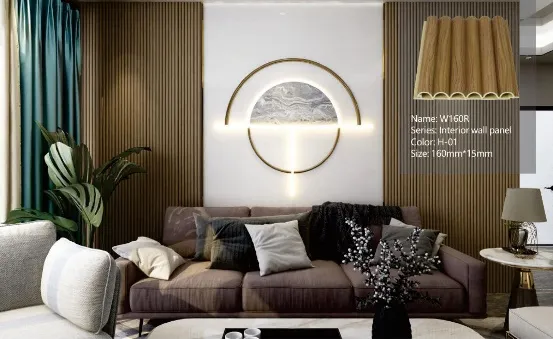
So, WPC panels are great—but they're only as good as the supplier behind them. Walk into any (building materials market), and you'll find dozens of "WPC suppliers" offering rock-bottom prices. But many cut corners: using low-quality recycled plastic that cracks over time, skimping on additives that protect against UV rays, or rushing production to meet demand, resulting in uneven panels that don't fit together properly.
A top WPC wall panel supplier, by contrast, treats quality and sustainability as non-negotiables. Here's what sets them apart:
From sourcing raw materials to the final product, every step is monitored. Reputable suppliers test their panels for strength (can they withstand impact?), moisture resistance (will they swell in humidity?), and color fastness (do they fade in sunlight?). They'll even provide certificates—like ISO 9001 for quality management or ISO 14001 for environmental standards—to back their claims. When you work with such a supplier, you're not just buying panels; you're buying peace of mind.
No two design projects are the same. A restaurant might want panels in a bold, industrial finish, while a home office needs something subtle and warm. A top supplier offers customization options: different thicknesses (from 8mm for accent walls to 20mm for structural use), textures (wood grain, stone, concrete), and colors (matte, gloss, or even custom hues to match brand palettes). They'll work with you to create panels that fit your design vision—not the other way around.
True sustainability doesn't stop at the material itself. Leading WPC suppliers prioritize eco-friendly manufacturing: using renewable energy in their factories, reducing water waste, and minimizing packaging (think recyclable cardboard instead of plastic wrap). Some even offset their carbon footprint by investing in reforestation projects. When you choose such a supplier, your project's sustainability credentials get a boost, too.
Installing WPC panels is straightforward, but every project has unique challenges—a curved wall, a tricky corner, or a request for acoustic insulation. A top supplier doesn't just ship panels and disappear. They provide technical guidance: sharing installation guides, offering tips for cutting panels to size, or even sending a team to assist with complex setups. For designers and contractors, this support can save hours of frustration and ensure the final result looks flawless.
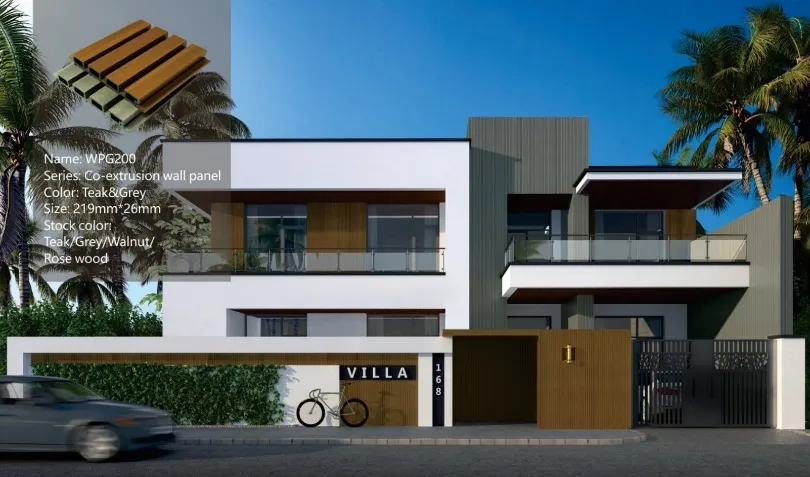
As a leading WPC wall panel supplier, we've spent years refining our products to meet the needs of sustainable interior design projects. Our WPC wall panel solutions are more than just materials—they're tools to bring your ideas to life. Here's what makes them stand out:
Our panels are built with EcoCore™, a proprietary blend of 60% recycled wood fibers and 30% post-consumer plastic, reinforced with 10% natural additives (like plant-based binders and mineral fillers). This formula gives our panels unmatched strength—they can support up to 50kg of weight per square meter, making them suitable for hanging shelves or artwork—while remaining lightweight (just 8-12kg per panel, easy for two people to install). And because we source our recycled materials from certified partners, you can trace the journey of every panel from waste to wall.
Whether you're aiming for a cozy cabin vibe or a sleek, minimalist look, our panels deliver. Choose from over 50 textures, including:
And if you can't find exactly what you want? We offer custom textures and colors, with a minimum order as low as 50 panels—ideal for boutique projects or branded spaces.
Our WPC wall panels aren't limited to residential projects. They're tough enough for commercial and hospitality settings, too:
Take, for example, a recent project with a chain of eco-friendly cafés in Dubai. They wanted walls that felt warm and natural but could handle spills from coffee cups and daily cleaning. We recommended our Oak (Oak texture) panels in a light finish. Six months later, the panels still look brand new, and the client reports that customers often comment on how "cozy yet modern" the space feels.
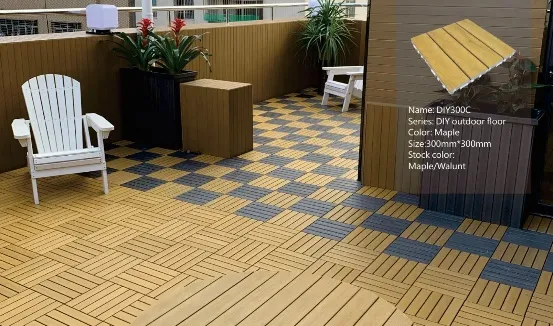
| Material | Sustainability | Durability | Maintenance | Cost (per sqm) | Fire Resistance |
|---|---|---|---|---|---|
| Our WPC Panels | High (60% recycled content; ISO 14001 certified) | Excellent (resists moisture, pests, impact; 20-year lifespan) | Low (wipe with soap and water; no painting/sealing) | $35–$55 | B1 (self-extinguishing; meets ASTM E84 standards) |
| Solid Wood | Low (requires deforestation; limited recycled options) | Moderate (prone to warping, rot, and termites) | High (seal yearly; sand and refinish every 3–5 years) | $45–$90 | Low (ignites easily; requires fire-retardant treatments) |
| Bamboo Charcoal Board | Moderate (sustainable bamboo sourcing but limited recycled content) | Good (antibacterial but less moisture-resistant than WPC) | Moderate (avoid harsh chemicals; seal every 2 years) | $40–$65 | B2 (combustible; requires additional fire treatment) |
| PVC Panels | Low (virgin plastic; non-biodegradable) | Good (moisture-resistant but prone to cracking in cold) | Low (wipe clean) | $20–$40 | Varies (some B1, but releases toxic fumes when burned) |
*Costs are approximate and vary by region, texture, and order size.
Numbers and specs tell part of the story, but real-world results speak louder. Here are three projects where our WPC wall panel solutions made a difference:
A family in Riyadh wanted their new home to reflect their love for nature—without the upkeep of real wood. They chose our "Teak Wood Grain" WPC panels for the living room and home office. The panels' warm tones complemented their indoor plants, and the moisture-resistant core was perfect for Riyadh's humid summers. "We were worried about the panels fading in the sun, but two years later, they still look as rich as the day they were installed," says the homeowner. "And knowing they're made from recycled materials makes us feel good about our choice."
This bustling café needed walls that could handle coffee spills, sticky fingers, and daily cleaning. Our "Concrete Gray" WPC panels were the solution. The industrial texture matched their modern aesthetic, and the panels' durability meant no chips or stains—even after a year of operation. "We used to repaint our walls every six months," says the café owner. "Now, we just wipe them down at the end of the day. It's saved us time and money, and our customers love the sleek, eco-friendly vibe."
For a spa focused on relaxation, the design needed to feel calm and natural. Our "Cloud Stone" WPC panels were used in treatment rooms and the lobby, mimicking the look of natural stone without the weight or cost. "The panels create a sense of tranquility, and because they're moisture-resistant, we don't have to worry about mold in the steam rooms," explains the spa manager. "Plus, they helped us achieve our sustainability goals—we're now applying for LEED certification, and the panels were a big part of that."
As the world wakes up to the urgency of climate change, sustainable interior design will only grow in importance. Consumers and businesses alike are demanding materials that align with their values, and WPC wall panels are poised to lead this charge. But what does the future hold?
Innovation is already underway. We're experimenting with even higher recycled content—aiming for 75% by 2026—and exploring bio-based additives to replace synthetic binders, making our panels even more eco-friendly. We're also developing panels with built-in functionality: acoustic insulation for busy offices, thermal properties to reduce heating/cooling costs, and even smart surfaces that integrate with home automation systems (think panels that change color with a voice command).
But perhaps the biggest shift is cultural. Sustainable design is no longer about sacrifice—it's about creativity. Designers are discovering that eco-friendly materials like WPC open up new possibilities: bold textures, custom colors, and designs that were once impossible with traditional materials. A top WPC wall panel supplier doesn't just provide materials; they partner with designers to push boundaries, proving that sustainability and beauty can go hand in hand.
Sustainable interior design isn't a trend—it's the future. And at the heart of that future is WPC wall panels: durable, beautiful, and kind to the planet. But to unlock their full potential, you need a partner who understands both sustainability and design. A partner who doesn't just sell panels, but works with you to bring your vision to life.
As a top WPC wall panel supplier, we're committed to that partnership. From the first design sketch to the final installation, we're with you every step of the way—offering quality products, customization options, and the support you need to create spaces that inspire. Whether you're designing a home, a café, or a hotel, our WPC wall panel solutions are built to make your project not just beautiful, but sustainable, too.
So why settle for ordinary when you can choose extraordinary? Let's build something sustainable—together.
Recommend Products











