

In the heart of every school, beyond the textbooks and lesson plans, lies a foundation that shapes the daily experiences of students and staff: the building itself. From the moment a child walks through the front doors, the walls, floors, and fixtures around them play a silent but powerful role in their sense of safety, comfort, and even inspiration. Nowhere is this more true than in the walls that line classrooms, hallways, and common areas. These aren't just dividers—they're barriers against hazards, canvases for creativity, and silent workhorses that must stand up to the chaos of daily school life. For educational institutions, choosing the right wall materials isn't just a matter of aesthetics; it's a decision that impacts safety, hygiene, and long-term operational efficiency. And in this quest for the ideal solution, one material has risen to the top: WPC wall panels. Let's dive into why leading schools and universities are turning to trusted WPC wall panel suppliers to transform their spaces.
Schools are dynamic environments, and their walls face challenges unlike any other setting. Consider a typical day: kindergartners pressing sticky fingers against hallway walls after snack time, high schoolers slinging backpacks that scuff surfaces, science labs where spills (and occasional experiments gone slightly awry) test durability, and auditoriums packed with hundreds of students where fire safety is non-negotiable. Add to that the strict regulations governing educational facilities—from fire codes to low-VOC emissions to ease of sanitization—and it's clear: "one-size-fits-all" wall materials simply won't cut it.
Traditional options like drywall, for example, may be affordable upfront, but they're prone to dents, water damage, and require constant repainting. Vinyl panels, while easy to clean, often lack the fire resistance needed for crowded spaces and can peel or warp over time. What schools need is a material that checks every box: safety, durability, low maintenance, and design flexibility. That's where WPC wall panels come in—and why the right WPC wall panel supplier can make all the difference.

WPC, or Wood-Plastic Composite, is exactly what it sounds like: a blend of recycled wood fibers and thermoplastics (like polyethylene or polypropylene) fused together under high heat and pressure. The result? A material that marries the natural look and feel of wood with the water resistance, strength, and low-maintenance of plastic. For schools, this combination is a game-changer. Let's break down why WPC wall panels stand out:
Safety is non-negotiable in schools, and fire protection tops the list. Leading WPC wall panel suppliers prioritize products that meet or exceed Class A fire safety ratings, meaning they resist combustion and slow the spread of flames. Unlike some materials that release toxic fumes when burned, WPC panels emit minimal smoke, a critical factor in enclosed spaces like school corridors where evacuation time is precious. This aligns with the same rigorous standards that make class A fireproof CPL inorganic board a staple in hospitals and schools—proof that when it comes to protecting students, cutting corners isn't an option.
Beyond fire safety, WPC panels are also free from harmful chemicals like formaldehyde, a common off-gassing agent in cheaper building materials. In classrooms where students spend hours each day, low-VOC (volatile organic compound) emissions contribute to better indoor air quality, reducing allergies and respiratory issues. For schools committed to student health, this is a non-negotiable feature.
Schools are busy places, and walls take a beating. From the kindergarten classroom where tiny hands (and crayons) test every surface to the high school gym where basketballs ricochet off walls during practice, durability is key. WPC wall panels are built to withstand this chaos. Their rigid core resists dents and scratches, while their smooth, non-porous surface is impervious to water damage—critical for areas like cafeterias, restrooms, or art rooms where spills are inevitable.
Unlike drywall, which requires patching after even minor impacts, WPC panels bounce back. A scuff from a backpack? A quick wipe with a damp cloth. A spill from a science experiment? No warping or staining. This durability translates to walls that look newer, longer, reducing the need for frequent repairs or replacements—a major win for school budgets.
Janitorial staff in schools have enough on their plates without adding "patch and repaint walls" to their to-do lists. WPC wall panels simplify maintenance in a big way. Their non-porous surface means dirt, grime, and even stubborn stains (think: craft glue, marker, or lunchroom ketchup) wipe away easily with mild soap and water. No need for harsh chemicals or specialized cleaning tools—just a quick wipe, and the walls are fresh again.
Over time, this low-maintenance quality adds up. Schools that switch to WPC wall panels report significant reductions in janitorial hours spent on wall upkeep, freeing staff to focus on high-priority tasks like sanitizing desks, restrooms, and other high-touch surfaces. For administrators, it's a simple equation: less time spent on repairs means more resources redirected to what matters most—student learning.
Walls shouldn't just be durable—they should inspire. WPC wall panel suppliers understand this, offering a range of designs, colors, and textures to suit any educational setting. Want warm wood tones for a library to create a cozy, inviting atmosphere? Or bold, bright hues for an elementary school art room to spark creativity? WPC panels deliver. Some suppliers even offer custom printing, allowing schools to add murals, quotes, or school logos directly to panels, turning walls into educational tools.
This flexibility extends to installation, too. WPC panels are lightweight and easy to install, meaning minimal disruption to classes during renovations. They can be cut to fit around windows, doors, or fixtures, ensuring a seamless, professional finish that elevates the entire space.

Not all WPC wall panel suppliers are created equal. To ensure your school gets the best value, durability, and safety, look for these key qualities:
Schools have unique needs, so partner with a supplier that specializes in educational and institutional projects. Ask for case studies or references from other schools—did their panels hold up in high-traffic areas? Did they meet local fire and safety codes? A supplier with a track record in schools will understand the nuances of your project, from compliance to design, and can offer tailored WPC wall panel solutions that fit your specific needs.
Never compromise on certifications. Top suppliers will readily provide documentation proving their panels meet Class A fire ratings, low-VOC standards, and other relevant regulations (like ASTM or CE certifications). For example, if your school is in a region with strict fire codes, ensure the supplier's panels align with local requirements—just as you would when sourcing class a fireproof CPL inorganic board for a hospital or lab.
The best suppliers don't just sell wall panels—they offer a full suite of solutions to streamline your project. Many leading WPC wall panel suppliers also double as flooring suppliers, providing coordinated WPC flooring options that complement their wall panels. This creates a cohesive look across classrooms and hallways while simplifying the procurement process. Imagine ordering walls and floors from a single partner, with consistent quality and design—no more mismatched colors or conflicting warranties.
Upfront cost is important, but don't overlook long-term value. A reputable supplier will be transparent about pricing, including installation and maintenance costs, and help you calculate the total cost of ownership (TCO). They should also offer strong warranties (10+ years is standard for quality WPC panels) and responsive customer support, so if issues arise down the line, you're not left scrambling.

Still on the fence? Let's compare WPC wall panels to two common alternatives to see how they stack up in a school setting:
| Feature | WPC Wall Panels | Traditional Drywall | Vinyl Wall Panels |
|---|---|---|---|
| Fire Safety Rating | Class A (Highest resistance, low smoke emission) | Class B/C (Prone to rapid combustion, emits toxic fumes) | Class B (Moderate resistance, may melt under high heat) |
| Maintenance Needs | Low (Wipe clean with soap and water; no repainting/patching) | High (Frequent repainting, patching dents/scratches) | Moderate (Easy to clean but prone to peeling/warping over time) |
| Durability | 15-20 years (resistant to dents, water, and impact) | 5-8 years (easily damaged by moisture, impacts, or mold) | 8-10 years (susceptible to cracking in cold temperatures) |
| Eco-Friendliness | High (made from recycled materials; low-VOC, recyclable at end of life) | Low (gypsum waste, requires toxic paints/sealants) | Low (non-biodegradable; often contains harmful plasticizers) |
| Cost Over Time | Low (minimal repairs, no replacement costs for decades) | High (frequent repainting, patching, and full replacements) | Moderate (occasional replacement due to warping/peeling) |
As the table shows, WPC wall panels outperform traditional options in nearly every category—especially when considering long-term value. For schools working with tight budgets, this translates to significant savings over time, freeing up funds for textbooks, technology, or extracurricular programs.
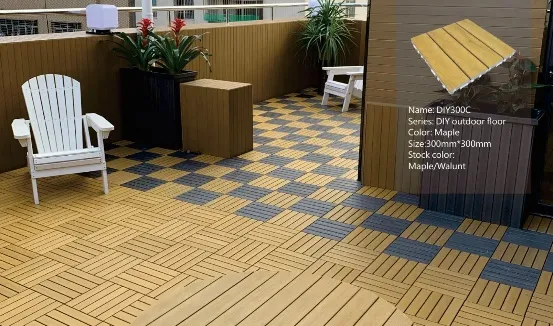
Let's take a look at how one elementary school in a busy urban area transformed its spaces with WPC wall panels. Prior to renovation, the school's hallways and classrooms featured aging drywall that was constantly marked with crayon, scuffs, and water stains from leaky water fountains. Janitors spent 10+ hours weekly patching holes and repainting, and the school allocated $15,000 annually for wall repairs alone.
After switching to WPC wall panels from a trusted supplier, the results were dramatic. Six months later, the walls still looked brand-new—no patches, no repainting, and janitorial staff now spends just 2 hours weekly on wall maintenance (mostly quick wipes). The school estimates saving over $12,000 in the first year alone, with projections of $100,000+ in savings over the panels' 20-year lifespan. But the biggest win? Teachers report students seem more engaged in classrooms with bright, clean walls, and parents note feeling more confident in the school's commitment to safety.
Another example: a high school science wing that needed durable, chemical-resistant walls. The school chose WPC panels with a smooth, non-porous finish, making it easy to clean up spills from acids, solvents, and other lab materials. Two years later, the walls show no signs of damage, and the science department has reduced its cleaning supply costs by 30%—all while ensuring a safer environment for students and staff.
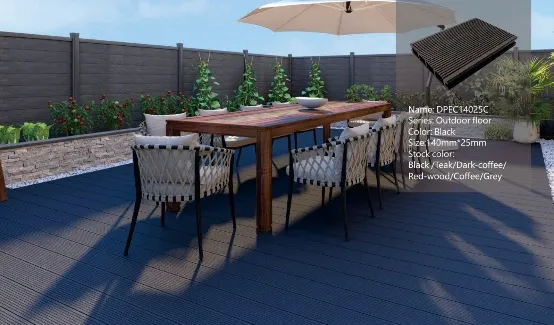
While WPC wall panels are the stars of the show, many top suppliers offer additional products to create a cohesive, functional space. For instance, pairing WPC walls with durable flooring solutions from the same supplier ensures consistent quality and design. Imagine a preschool where the walls and floors are both WPC-based—spills wipe clean, scuffs don't show, and the warm wood-like finish creates a welcoming, homey vibe that helps young students feel at ease. This "one-stop shop" approach simplifies project management, reduces coordination headaches, and ensures all materials work together seamlessly.
At the end of the day, schools are about more than just education—they're about nurturing safe, healthy, and inspiring environments where students can thrive. The walls that surround them play a vital role in this mission, and choosing the right materials is a decision that impacts everyone: students, teachers, staff, and administrators. WPC wall panels, when sourced from a trusted supplier, offer the perfect blend of safety, durability, low maintenance, and design flexibility that educational institutions need.
From resisting the daily chaos of school life to meeting strict safety codes, from reducing janitorial workloads to inspiring creativity through design, WPC wall panel solutions are more than just a building material—they're an investment in the future of education. So when you're ready to transform your school's walls from a source of stress to a source of pride, look for a supplier that understands your needs, prioritizes safety, and delivers quality that lasts. Your students (and your budget) will thank you.
Recommend Products











