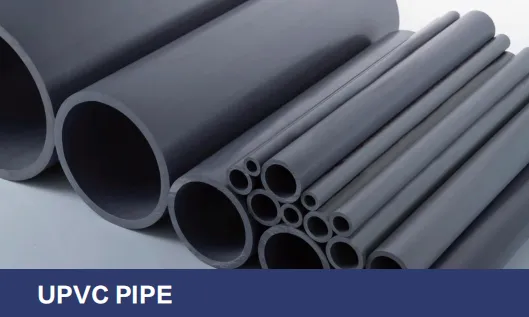
In construction, there's no room for compromise when it comes to safety. This is especially true for piping systems, which carry everything from drinking water to hazardous waste. Today's
upvc pipe supplier understands that compliance isn't just a legal requirement—it's a promise to protect lives, property, and public health.
Take the healthcare sector, for example. Hospitals require piping that is not only durable but also non-toxic, easy to clean, and resistant to chemicals used in medical facilities. A leading
upvc pipe supplier recently developed a specialized line of UPVC pipes for hospitals, tested to meet strict (sanitary) standards and certified free of phthalates and heavy metals. These pipes are now used in over 20 hospitals across the Kingdom, providing peace of mind to administrators and medical staff alike.
Fire safety is another critical area. While UPVC is inherently fire-resistant, suppliers are going the extra mile to meet the stringent requirements of high-risk buildings like schools and hotels. For instance, some
upvc pipe solutions now come with fire-retardant coatings that slow down flame spread, giving occupants more time to evacuate in an emergency. These pipes undergo rigorous testing, including exposure to temperatures up to 800°C for 2 hours, to ensure they meet Class A fire safety ratings.
Compliance isn't just about the product—it's about documentation, too. Modern upvc pipe suppliers provide detailed test reports, material safety data sheets (MSDS), and certification documents with every order, making it easier for contractors to meet project audit requirements. "We used to spend days chasing down compliance papers," says a site engineer in Riyadh. "Now, our supplier includes a digital compliance package with each delivery. It's saved us countless hours and kept our projects on track."
Perhaps most importantly, suppliers are proactively engaging with evolving regulations. As governments update building codes to address new challenges—like water scarcity or climate resilience—leading upvc pipe suppliers are ahead of the curve, updating their products and processes to meet these new standards. For example, in response to Saudi Arabia's push for water conservation, suppliers have developed low-friction UPVC pipes that reduce water pressure loss, allowing for more efficient irrigation systems and lower water bills for end-users.