
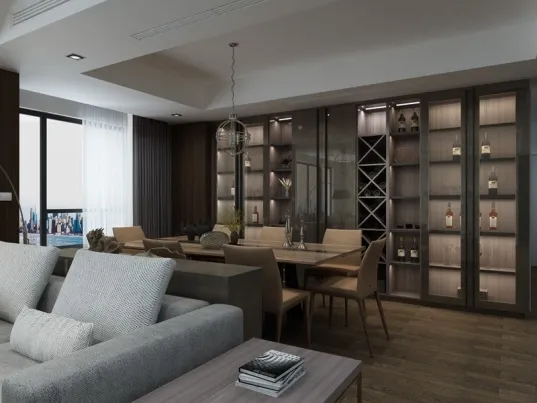
For wine enthusiasts, proper storage isn't just practical – it's a passion project. From sleek temperature-controlled units to rustic statement pieces, discover how UK homes are elevating their wine experience through cutting-edge storage solutions.
Remember when wine storage meant shoving bottles in a dusty cupboard? Those days are long gone. Today's wine cabinets blend cutting-edge functionality with designer aesthetics that complement modern interiors. We've seen extraordinary innovations in recent years – smart humidity controls, space-saving corner designs, and cabinets that double as entertainment hubs.
Key Insight: Modern cabinets aren't just appliances; they're conversation starters. The shift from utilitarian storage to lifestyle centerpieces represents the biggest revolution in home wine culture since the corkscrew.
British consumers increasingly seek solutions balancing form and function. "Wine cabinets have become the jewellery boxes of home interiors," notes Olivia Reynolds, home trends editor at Living Spaces Magazine. "People want pieces that showcase their collection while protecting their investment." This demand has fueled remarkable innovation across UK manufacturers.
The most sought-after designs transform from storage to serving stations. Top models feature:
With UK homes averaging just 76 sq m (versus 132 sq m in Germany), compact innovation reigns supreme. Look for:
Gone are the days when temperature was the only consideration. Premium cabinets now feature:
Sustainability now influences purchasing decisions:
The ultimate multipurpose piece bridging rustic charm and industrial functionality. Its genius lies in blending storage flexibility with aesthetic boldness.
Black metal mesh doors meet rustic brown wood grain creating visual tension that commands attention. Thin iron framework and visible hardware add authentic workshop character.
Four enclosed cabinets + bottle rack + stemware holders + open display shelf. Accommodates everything from cocktail shakers to champagne flutes with military precision.
Heavy-duty MDF core with reinforced corners survives enthusiastic dinner parties. Anti-tip kits included for earthquake-level stability (or clumsy guests).
Proof minimalism doesn't mean compromising capacity. This sage-green beauty makes compact efficiency look expensive.
Its reversible shelves flip from bottle-height to decanter-display mode in seconds. No tools needed. Clever recessed handles maintain clean lines while preventing snagging.
The mood maestro that transforms ordinary evenings into sensory experiences. More nightclub than furniture, minus the sticky floors.
Bluetooth-controlled LEDs with music sync function. Set to pulse with basslines or schedule sunset-to-midnight color shifts.
UKCA-certified power hub with 2 sockets + USB ports. Juice phones while blending cocktails without hunting for outlets.
Magnetic mesh doors provide ventilation while hiding less photogenic bottles. Top platforms display Aperol or coffee machines with runway lighting.
The transformer champion. Adjusts to suit varying needs over time - whether storing prized Barolo or displaying craft gins.
Shelves shift across 3 height positions (30-42.5cm) handling magnums or squat liquor bottles effortlessly.
Vintage handles feel substantial in hand. Anti-skid feet adjust across 15mm range compensating for uneven floors.
When exploring freestanding wine cabinet options, consider placement flexibility. "People underestimate lighting impact," warns designer Marcus Bell. "Position cabinets where ambient light won't hit bottles directly. Those beautiful glass-fronted units can sabotage your wines if placed opposite sunlit windows."
The magic happens between 12-18°C and 55-75% humidity. Understanding why makes you a smarter buyer:
"People obsess about temperature then place units near ovens," laments sommelier Helena Rhodes. "Thermal fluctuation causes more damage than being 2 degrees too warm. Seek cabinets maintaining consistent conditions through phase-change materials in walls."
Industry Insider: Thermoelectric cooling dominates units under 40 bottles. Compressor systems become viable for larger collections, offering faster recovery when doors open. Neither significantly impacts energy bills – a full 80-bottle cabinet costs under £30 annually to run.
True connoisseurship extends beyond the cabinet:
Sommelier David Nguyen emphasizes: "Your cabinet should serve your lifestyle. Frequent entertainers need glass storage front-and-center. Investors require dark, vibration-free archival conditions. Neither approach is wrong – just different objectives."
The perfect wine cabinet blends science and soul – respecting the chemistry of preservation while celebrating the joy of sharing. In 2025, UK brands deliver this balance with unprecedented style and intelligence.
Recommend Products












