


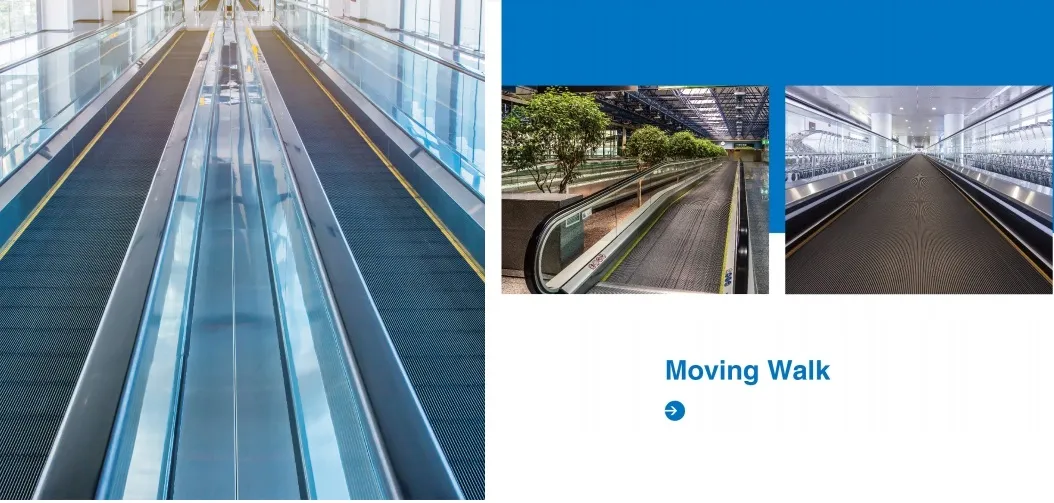
How innovation in people-moving technology is reshaping airports, malls, and transport hubs across Britain
You know that moment when you step onto a moving walkway after a long flight? That slight relief as the belt takes the weight off your feet? In the UK, this experience is being transformed by cutting-edge engineering and clever design. Major brands are leveraging high-quality building materials to create walkways that aren't just functional, but integral to architectural experiences.
The Unseen Revolution in People Movement
Beyond airport terminals, these systems now feature in shopping centres, metro stations, and even iconic landmarks. The latest models blend into architectural facade solutions , with hidden motors and seamless flooring transitions that make you feel like you're gliding through space.
Material innovation plays a starring role. Leading manufacturers use commercial flooring systems with anti-slip textures that maintain grip even in wet weather. The shift toward composite materials means lighter yet stronger structures with energy savings up to 40% compared to decade-old models.
| Brand | Core Technology | Sustainability Focus |
|---|---|---|
| Thyssenkrupp Urban Mobility | Modular panel system with vibration dampening | Regenerative drives feed energy back into building systems |
| Schindler Port Technology | Seamless pallet joints for ultra-smooth transitions | Solar-powered walkways in pilot projects |
| Otis Horizon Walk | Predictive maintenance sensors in every 4th step | 95% recyclable material commitment by 2025 |
| KONE TravelMaster | Self-cleaning surface technology | Zero-lubrication drive systems |
| Mitsubishi Electric Crystal Moves | Transparent side panels with LED guidance | Energy recovery during braking phases |
The Capacity Game-Changer
Heathrow's Terminal 5 recently upgraded to high-capacity walkways moving 11,000 people/hour during peaks. The secret? Variable speed controls that automatically adjust during rush hours and tapered entry zones preventing bottlenecks.
5 Game-Changing Trends
1. The Invisible Integration Trend
Gone are the clunky metal edges. Modern installations like London Bridge Station's Western Concourse feature embedded systems where the walkway surface aligns perfectly with surrounding floor materials . This creates uninterrupted sightlines that subtly guide passenger flow.
2. Eco-Drive Revolution
Manchester Airport's Terminal 2 expansion uses walkways generating enough kinetic energy to power their own LED lighting. Thyssenkrupp's ACCEL system cuts transit times 30% while using partial power-down during off-peak hours.
3. Safety Through Smart Materials
New anti-microbial surfaces derived from hospital-grade commercial flooring systems are becoming standard. KONE's HealthShield surface actively reduces bacterial growth while electrostatic layers repel dust at St Pancras International.
4. Adaptive Width Systems
Variable-width installations respond to real-time foot traffic. At Westfield London, sensors adjust walkway widths from 1-2 meters depending on crowd density, with gentle audio cues guiding passengers toward optimal boarding points.
5. Predictive Maintenance 2.0
Otis's new monitors track 18 performance metrics simultaneously. Vibration analysis spots bearing wear months before failure, while thermal cameras detect motor stress at Gatwick's South Terminal.
What's Coming Around the Bend?
Looking ahead, three developments are set to redefine UK installations:
- Material Science Leap: Sheffield University's composite research promises walkways 60% lighter using bamboo-infused polymers
- Dynamic Routing: Prototype systems at Canary Wharf can physically reconnect to alternative paths during emergencies
- Personalised Speeds: Facial recognition allowing registered users customized travel speeds (currently in testing at Heathrow T3 business lounge)
The choice of high-quality building materials makes these advancements possible. From carbon-fiber reinforcement to nano-coated surfaces, the humble walkway has become a showcase for British engineering excellence. As these systems evolve beyond pure function into architectural statements, they transform how we experience and move through public spaces.
Why This Matters for Urban Development
City planners increasingly see walkways as connectivity solutions, particularly in hilly cities like Sheffield and Edinburgh. The cost-benefit analysis now stacks up differently - where installations once focused solely on airport convenience, they now serve as:
- Accessibility equalisers in heritage sites
- Traffic reducers around school zones
- Retail accelerators in shopping districts
Looking at London's Thames 'SkyWalk' proposal linking Waterloo to Southwark via elevated moving pavements, it's clear these technologies are evolving into legitimate transport infrastructure.
The next time you glide across one of these engineering marvels, notice the details - the whisper-quiet operation, the seamless floor transitions, the way they've become invisible helpers in our daily journeys. That invisibility is the real testament to how far UK moving walkway technology has come.










